When Your Liver Is in Trouble, These Parts of Your Body May Start to Hurt
The liver is one of the most important organs in the human body. It helps filter toxins, process nutrients, regulate metabolism, and support digestion. Because the liver performs hundreds of essential functions, problems affecting it can impact many different parts of the body.
Unfortunately, liver disease often develops silently in its early stages. Many people do not realize something is wrong until symptoms become more noticeable. Doctors say certain types of pain and discomfort may serve as warning signs that the liver is struggling.
Here are some body areas that may begin to hurt or feel unusual when liver problems develop.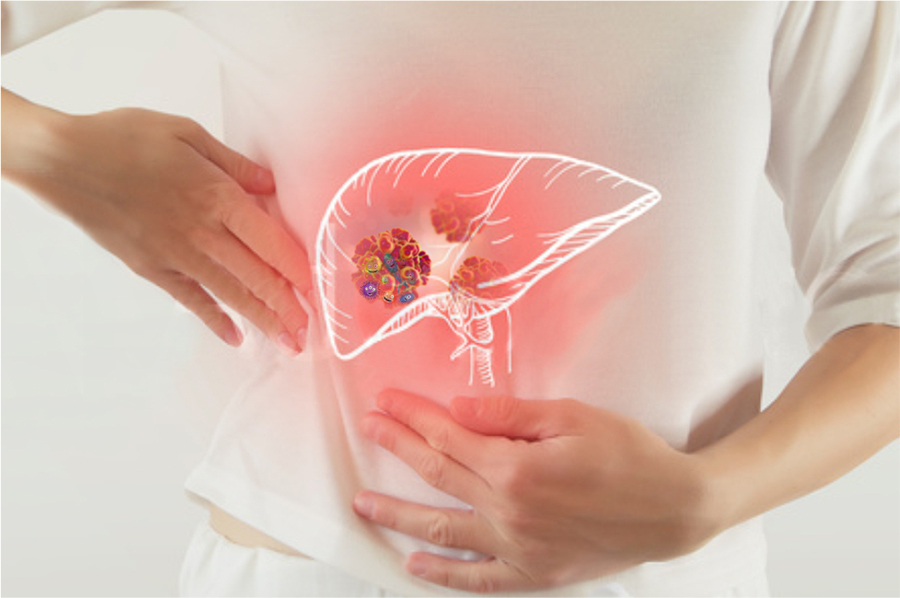
1. Pain in the Upper Right Abdomen
One of the most common signs of liver trouble is pain or discomfort in the upper right side of the abdomen, just below the ribs.
The liver is located in this area, and when it becomes inflamed, enlarged, or damaged, it may create pressure and pain.
People often describe the sensation as:
- Dull aching
- Tightness
- Fullness
- Sharp discomfort after eating
Conditions such as fatty liver disease, hepatitis, or liver inflammation may contribute to this symptom.
2. Right Shoulder Pain
Many people are surprised to learn that liver problems can sometimes cause pain in the right shoulder.
This happens because irritation near the liver and diaphragm may affect nearby nerves, causing what doctors call “referred pain.” The brain may interpret the pain as coming from the shoulder instead of the liver itself.
Persistent shoulder discomfort without an obvious injury should not be ignored, especially when accompanied by fatigue or digestive symptoms.
3. Back Pain
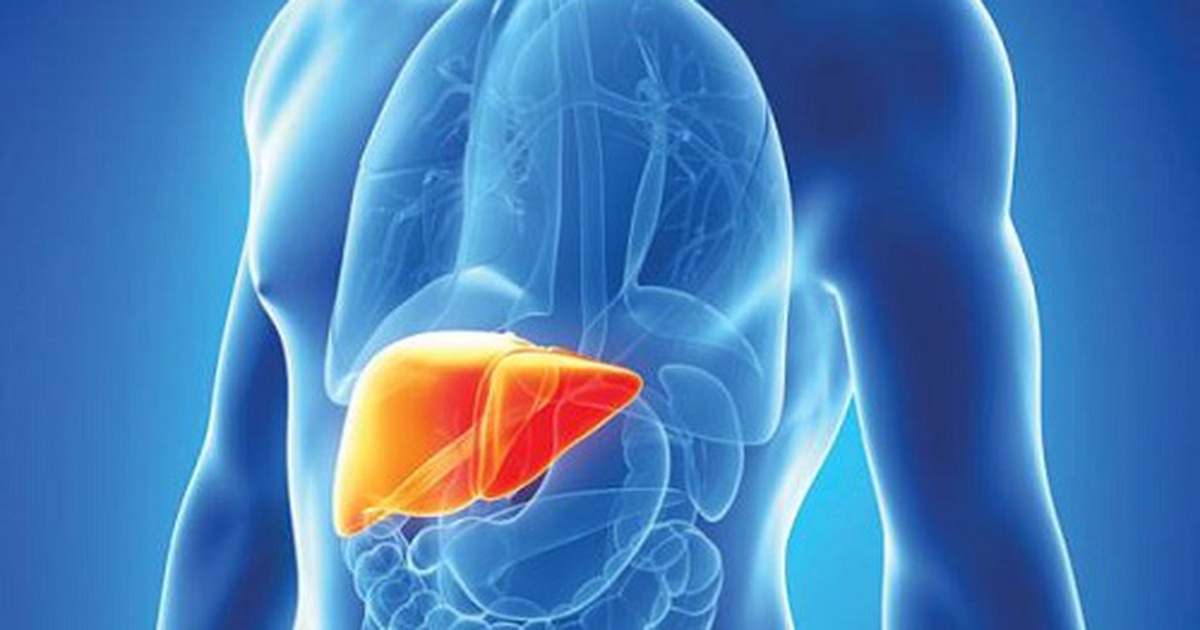
Liver inflammation or swelling may sometimes lead to pain in the upper back area.
This discomfort is usually felt between the shoulder blades or on the right side of the back. While back pain has many possible causes, chronic liver problems may contribute when combined with other symptoms.
People with liver disease may also experience muscle weakness and body aches due to inflammation and poor metabolism.
4. Swelling and Pain in the Legs
When the liver becomes severely damaged, fluid may begin to accumulate in the body.
This can lead to:
- Swollen legs
- Painful ankles
- Heavy or tight sensations in the lower limbs
Poor liver function may also affect blood circulation and protein balance, causing fluid retention.
Doctors warn that swelling in the legs should always be evaluated, particularly if it appears suddenly or worsens over time.
5. Joint and Muscle Pain
Chronic liver disease may trigger inflammation throughout the body, sometimes causing pain in the joints and muscles.
Some people experience:
- Weakness
- Muscle cramps
- Joint stiffness
- General body aches
Certain liver conditions, including viral hepatitis and autoimmune liver disease, are associated with these symptoms.
Other Warning Signs of Liver Problems
Pain is not the only sign of liver disease. Doctors say people should also pay attention to symptoms such as:
- Yellowing of the skin or eyes (jaundice)
- Dark urine
- Persistent fatigue
- Nausea
- Loss of appetite
- Unexplained weight loss
- Itchy skin
- Abdominal swelling
These symptoms may indicate that the liver is under stress and requires medical attention.
Common Causes of Liver Damage
Many factors can affect liver health, including:
- Excessive alcohol consumption
- Fatty liver disease
- Viral hepatitis
- Obesity
- Diabetes
- Certain medications
- Toxin exposure
- Poor diet
In many cases, early lifestyle changes may help reduce further liver damage.
How to Protect Your Liver
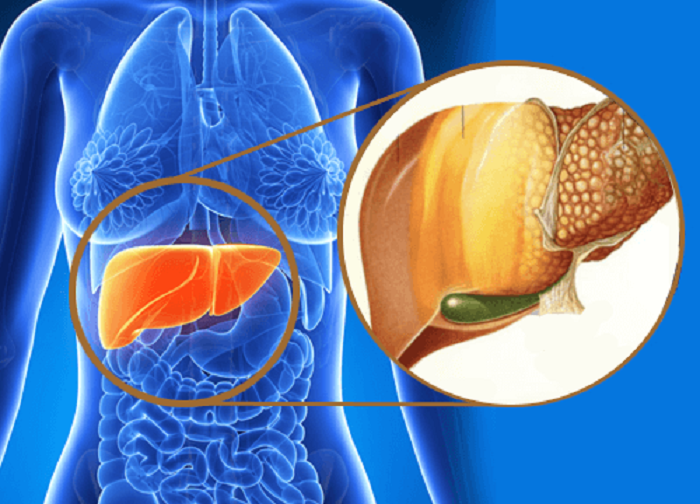
Doctors recommend several habits to support liver health:
- Limit alcohol intake
- Eat a balanced diet
- Maintain a healthy weight
- Exercise regularly
- Avoid smoking
- Drink enough water
- Get regular medical checkups
Foods rich in antioxidants, fiber, and healthy fats may also help support liver function.
Final Thoughts
The body often sends warning signals when the liver is struggling, and pain in certain areas may be one of them. While these symptoms do not always mean liver disease, persistent discomfort should never be ignored.
Recognizing early signs and seeking medical advice may help detect liver problems before they become more serious. Taking care of your liver today can have a major impact on your long-term health and well-being.