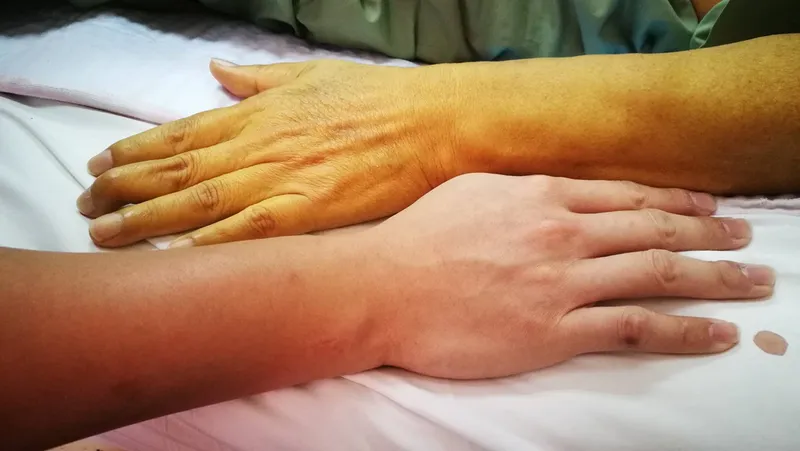
The liver is one of the hardest-working organs in the human body, responsible for detoxification, metabolism, hormone regulation, and
nutrient storage. Because it can compensate for damage for a long time, liver disease often progresses silently, showing few obvious
symptoms in its early stages. By the time clear signs appear, the condition may already be serious.
One surprising place where liver problems can reveal themselves is the hands. Doctors have long noted that changes in the color, shape, and
texture of the hands can reflect declining liver function. If you notice even one of the signs below, it’s important to seek medical evaluation as
soon as possible.
1. Palmar Erythema: Unusual Redness of the Palms
One of the most common hand-related signs linked to liver disease is palmar erythema. This condition causes the palms - especially the base
of the thumb and little finger - to appear persistently red or flushed.
Why it happens
When the liver is damaged, it struggles to break down certain hormones, particularly estrogen. Elevated hormone levels cause blood vessels
near the skin to dilate, leading to visible redness.
What makes it concerning
-
The redness does not fade with pressure
-
It is usually not painful or itchy
-
It appears symmetrically on both hands
Palmar erythema can also appear during pregnancy or with other conditions, but when it occurs without an obvious cause—especially
alongside fatigue or digestive issues - it should raise concern about liver health.
2. Clubbing or Changes in Finger Shape
Another warning sign involves changes in the shape of the fingers, often referred to as finger clubbing. This condition causes the fingertips
to become rounded and swollen, with the nails curving downward.
Why it happens
Advanced liver disease can interfere with oxygen circulation and protein metabolism. Over time, this affects the tissue beneath the nails,
leading to structural changes.
Signs to look for
-
Fingertips appear bulbous or enlarged
-
Nails curve more than usual
-
The angle between the nail and cuticle increases
-
Fingernails feel soft or spongy when pressed
While clubbing is also associated with lung and heart disease, it can be a red flag for chronic liver failure, especially when paired with other
symptoms such as jaundice or abdominal swelling.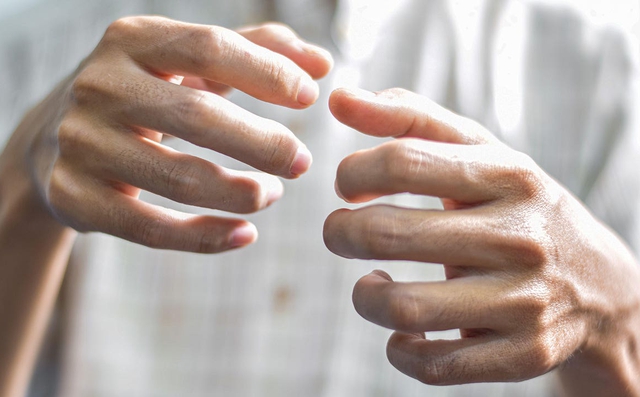
3. White or Pale Nails (Terry’s Nails)
Terry’s nails are another classic sign linked to liver disease. In this condition, most of the nail appears white or pale, with only a narrow pink or
reddish band at the tip.
Why it happens
Poor liver function alters blood flow and protein levels in the body, reducing circulation to the nail beds. This leads to the loss of normal pink
coloration.
What distinguishes Terry’s nails
-
Nails look uniformly pale or milky white
-
A thin darker band remains near the tip
-
The appearance affects multiple fingers
This nail change is often seen in people with cirrhosis, chronic hepatitis, or severe liver failure and should never be dismissed as a cosmetic
issue.
Why the Hands Reveal Liver Trouble
The liver plays a major role in hormone regulation, circulation, and protein synthesis. When it begins to fail, these systems are disrupted—and
the hands, with their dense blood supply and sensitive tissues, often show the effects early.
These signs may appear alongside other symptoms such as:
-
Chronic fatigue
-
Loss of appetite
-
Yellowing of the skin or eyes (jaundice)
-
Easy bruising or bleeding
-
Abdominal bloating or swelling
When to See a Doctor
If you notice even one of these hand-related changes - especially if it persists or worsens - it’s important to consult a healthcare professional.
Blood tests, imaging, and early intervention can slow disease progression and significantly improve outcomes.
Liver disease is far easier to manage in its early stages than in advanced failure.
Final Thought
Your hands can tell a story about your internal health. Changes in color, shape, or nails are not just cosmetic - they may be early warning signs
that your liver is struggling.
Listening to these subtle signals and acting early could make a life-changing difference. If something feels off, don’t wait. A simple medical
check could protect one of the most vital organs in your body.