10 Foods You Should Eat Daily for Cleaner Arteries and a Stronger Heart
Simple daily foods may help support healthy arteries and heart function.
⏱️ 1 min read 16/08/2026 23:50


Eggs have long been considered one of nature’s most complete foods. Rich in protein, vitamins, minerals, and healthy fats, they provide essential nutrients that support muscle growth, brain function, and overall health. However, despite their many benefits, experts warn that not all egg dishes are equally safe. In some cases, improper preparation, storage, or handling can increase the risk of foodborne illness and other health concerns.
The good news is that eggs themselves are not inherently dangerous. Most problems arise when eggs are undercooked, contaminated, or left in unsafe conditions for extended periods. Understanding these risks can help consumers continue enjoying eggs while protecting their health.
One type of egg preparation that deserves caution is raw or lightly cooked eggs. Popular in certain sauces, desserts, and beverages, raw eggs may contain harmful bacteria such as Salmonella. While the risk is relatively low in many countries with strict food safety regulations, it still exists. Consuming contaminated raw eggs can lead to symptoms including stomach cramps, diarrhea, fever, and nausea. Young children, older adults, pregnant women, and individuals with weakened immune systems face a higher risk of severe complications.
Another category involves soft-boiled or runny eggs that have not reached a temperature high enough to eliminate harmful microorganisms. Many people enjoy eggs with a liquid yolk, but food safety experts recommend ensuring eggs are cooked thoroughly, especially when serving vulnerable family members. Proper cooking significantly reduces the likelihood of bacterial contamination.


 7
7
A third concern relates to eggs that have been stored improperly. Even fully cooked eggs can become unsafe if left at room temperature for too long. Bacteria multiply rapidly in warm environments, particularly between 40°F and 140°F (4°C and 60°C). Egg dishes prepared for parties, buffets, or outdoor gatherings should not remain unrefrigerated for extended periods. Refrigeration helps preserve freshness and reduces bacterial growth.
Experts also emphasize paying attention to the condition of eggs before cooking. Cracked shells can provide a pathway for bacteria to enter. Eggs with unusual odors, discoloration, or signs of spoilage should be discarded immediately. Purchasing eggs from reputable sources and checking expiration dates are simple but effective safety measures.
Nutrition specialists note that eggs remain an excellent dietary choice when handled correctly. In fact, numerous studies have highlighted their benefits. Eggs contain high-quality protein that helps maintain muscle mass, while nutrients such as choline contribute to brain health. They also provide vitamins A, D, E, and B12, which support vision, immunity, and energy production.
For those who enjoy egg-based recipes, a few practical habits can greatly improve safety. Wash hands thoroughly before and after handling eggs. Keep eggs refrigerated until use. Cook egg dishes to recommended temperatures. Avoid consuming foods that contain raw eggs unless pasteurized eggs are specifically used. These precautions are especially important when preparing meals for children or elderly family members.


 6
6
Ultimately, eggs are not something people need to fear. Rather than avoiding them altogether, consumers should focus on safe preparation and proper storage. Most egg-related health risks can be prevented through simple kitchen practices and awareness of food safety guidelines.
By understanding which egg dishes require extra caution and following recommended handling procedures, individuals can continue enjoying one of the world's most versatile and nutritious foods with confidence. Eggs can remain a valuable part of a balanced diet—provided they are prepared, cooked, and stored the right way.
Simple daily foods may help support healthy arteries and heart function.
Cassava feeds millions worldwide, yet improper preparation can be risky.
This precious vegetable can ease joint and bone pa:in — yet most people pull it out without knowing its value
Do You Always Need the Bathroom After a Meal? Read This
Doctors Reveal What Happens When You Make This Common Shower Habit Part of Your Routine.
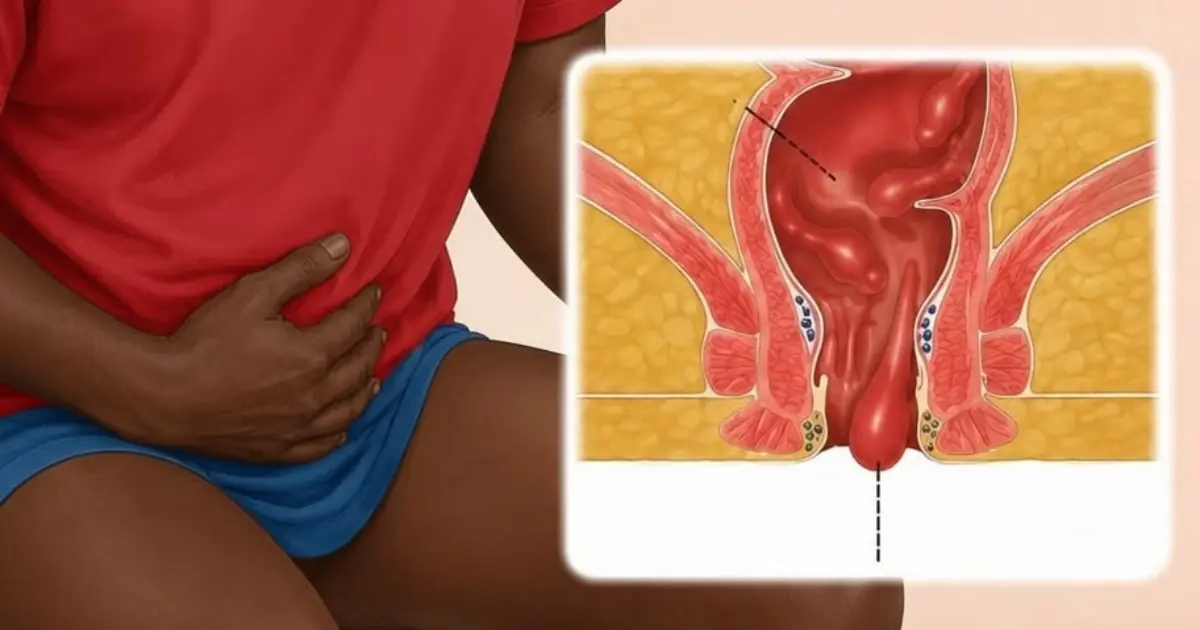
Doctors Warn: These 4 Bathroom Signs May Appear Before Colon Can.cer.
Long before humans invented written alphabets, digital messaging, or spoken languages that crossed tribal borders, we had a universal communication tool built right into our bodies: our hands.
Don’t Ignore These 20 Early Warning Signs That Your Body Could Be Fighting Can:cer
Waking with a dry mouth may reveal hidden health issues at night.

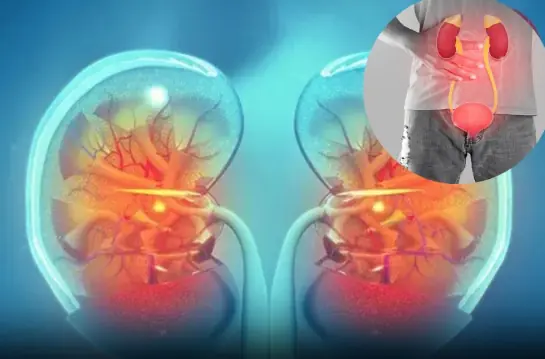
When it comes to monitoring our health, we often pay attention to major symptoms like headaches, fatigue, or fever. However, one of the easiest and most overlooked diagnostic tools is something we see every single day: the color of our urine.







It may not be as harmless as you think.
The Judge Couldn't Believe the Reason
The Judge Couldn't Understand the Answer
Simple daily foods may help support healthy arteries and heart function.
The Judge Demands a Clear Answer
Cassava feeds millions worldwide, yet improper preparation can be risky.
This precious vegetable can ease joint and bone pa:in — yet most people pull it out without knowing its value
Do You Always Need the Bathroom After a Meal? Read This
Doctors Reveal What Happens When You Make This Common Shower Habit Part of Your Routine.
Doctors Warn: These 4 Bathroom Signs May Appear Before Colon Can.cer.
The Judge Notices Something Strange on the Screen
Long before humans invented written alphabets, digital messaging, or spoken languages that crossed tribal borders, we had a universal communication tool built right into our bodies: our hands.
Don’t Ignore These 20 Early Warning Signs That Your Body Could Be Fighting Can:cer
Waking with a dry mouth may reveal hidden health issues at night.