Doctors Reveal 4 Early Morning Symptoms That May Signal Lung Problems
Many people ignore mild symptoms that appear first thing in the morning, assuming they are simply caused by poor sleep, allergies, or aging. However, doctors warn that certain early morning signs may sometimes indicate underlying lung problems that should not be overlooked.
The lungs work continuously to deliver oxygen to the body, and when they are not functioning properly, symptoms often become more noticeable after waking up.
Here are four morning symptoms experts say could be linked to lung-related conditions — and when it may be time to seek medical advice.
1. Persistent Morning Cough
Occasional coughing is normal, especially during cold weather or allergy season. But a cough that regularly appears in the morning and lasts for weeks may signal irritation or damage in the lungs.
A chronic morning cough may be associated with:
- Smoking-related lung damage
- Chronic bronchitis
- Asthma
- Chronic obstructive pulmonary disease (COPD)
- Lung infections
Doctors say a cough should not be ignored if it:
- Lasts more than 3 weeks
- Produces mucus regularly
- Becomes worse over time
- Includes blood or chest pain
Smokers and former smokers should pay especially close attention to persistent coughing.
2. Shortness of Breath After Waking Up
Feeling slightly tired in the morning is common, but struggling to breathe after waking up is not considered normal.
Some people may notice:
- Tightness in the chest
- Difficulty taking deep breaths
- Feeling breathless while walking short distances
- Wheezing or noisy breathing
Shortness of breath can occur when the lungs are unable to move oxygen efficiently throughout the body.
Possible causes may include:
- Asthma
- COPD
- Sleep apnea
- Lung inflammation
- Fluid buildup in the lungs
If breathing problems become frequent or severe, medical evaluation is important.
3. Excess Mucus or Phlegm in the Morning
The body naturally produces mucus to trap dust, bacteria, and irritants. However, excessive mucus production — especially thick or discolored mucus — may indicate lung irritation or infection.
Morning mucus may be linked to:
- Smoking
- Chronic bronchitis
- Respiratory infections
- Allergies
- Air pollution exposure
Yellow, green, or bloody mucus should never be ignored.
Doctors say excessive mucus accompanied by fever, chest pain, or breathing difficulty requires prompt medical attention.
4. Unusual Fatigue or Weakness
When the lungs struggle to deliver enough oxygen, the entire body may feel exhausted.
People with lung-related problems sometimes wake up feeling:
- Extremely tired
- Weak
- Dizzy
- Unrefreshed after sleep
Poor oxygen levels during sleep can affect brain function, energy production, and overall health.
In some cases, underlying sleep apnea or chronic lung disease may contribute to persistent morning fatigue.
Why Symptoms Often Feel Worse in the Morning
Lung-related symptoms may become more noticeable after waking because:
- Mucus can build up overnight
- Airway inflammation may worsen during sleep
- Lying flat for long periods can affect breathing
- Oxygen levels may fluctuate during the night
This is why many respiratory conditions tend to feel worse early in the morning.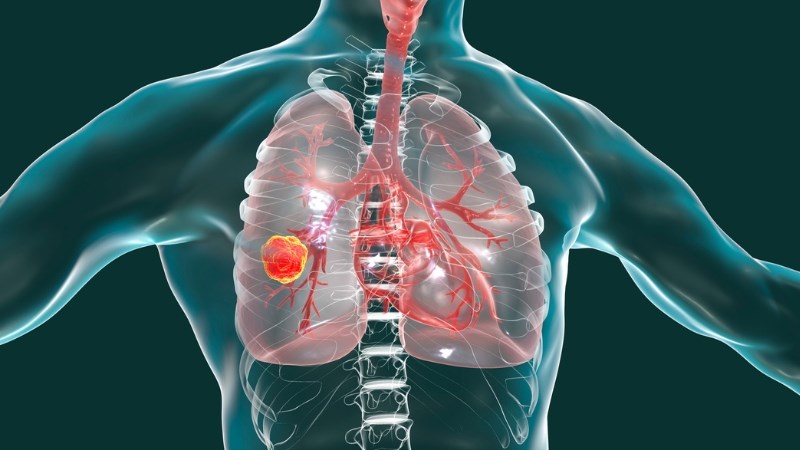
Who Is at Higher Risk for Lung Problems?
Certain factors may increase the risk of lung disease, including:
- Smoking or secondhand smoke exposure
- Air pollution
- Occupational exposure to dust or chemicals
- Family history of lung disease
- Frequent respiratory infections
- Older age
Even non-smokers can develop lung problems, especially if exposed to environmental irritants over time.
When to See a Doctor
Doctors recommend seeking medical advice if you experience:
- A persistent cough lasting weeks
- Shortness of breath
- Chest pain
- Wheezing
- Blood in mucus
- Unexplained weight loss
- Severe fatigue
Early detection can make a major difference in treatment outcomes and overall lung health.
How to Support Lung Health
Experts recommend several habits to help protect the lungs:
- Avoid smoking
- Stay physically active
- Reduce exposure to pollutants
- Drink enough water
- Get recommended vaccinations
- Treat respiratory infections promptly
Regular health checkups are also important, especially for people with risk factors.
Final Thoughts
Morning symptoms may seem harmless, but persistent coughing, breathing difficulties, excess mucus, and unusual fatigue can sometimes be signs that the lungs need attention.
Paying attention to these early warning signs and seeking medical care when needed may help detect problems sooner and improve long-term health outcomes.
Your body often gives subtle warnings before more serious issues appear — and listening to them matters.