Sleep and blood sugar are more closely connected than many people realize. Your body continues regulating glucose throughout the night, even while you're asleep. When blood sugar becomes too high, changes in hydration, urination, hormones, and nervous-system activity can sometimes interfere with sleep.
For people with diabetes or prediabetes, nighttime symptoms may be particularly noticeable. However, it's important to remember that sleep problems and nighttime symptoms can have many different causes. Waking up to urinate, feeling thirsty, sweating, or experiencing fatigue does not automatically mean your blood sugar is high.
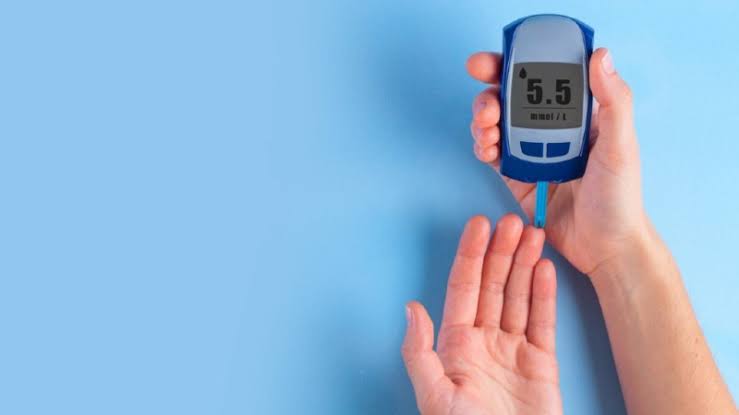
The only reliable way to know your blood glucose level is to measure it with an appropriate glucose meter or continuous glucose monitor.
With that in mind, here are 11 signs that may be associated with elevated blood sugar during the night.
1. Waking Up Frequently to Urinate
One of the classic symptoms associated with significantly elevated blood glucose is frequent urination, medically known as polyuria.
When glucose levels become high enough, the kidneys may not be able to reabsorb all the glucose being filtered from the blood. Extra glucose can draw water into the urine, resulting in increased urine production.
You may notice that you:
-
Wake up several times to use the bathroom
-
Produce unusually large amounts of urine
-
Suddenly need to urinate much more often than usual
Occasionally waking up once during the night is not necessarily concerning.
But if nighttime urination becomes frequent and is accompanied by excessive thirst, fatigue, or unexplained weight loss, it deserves medical attention.
2. Excessive Thirst at Night
High blood sugar can cause increased urination, which can contribute to fluid loss.
Your body responds by triggering thirst.
You may notice:
A dry mouth when you wake up
An unusually strong desire to drink water
Keeping water beside your bed every night
Feeling thirsty despite drinking normally during the day
Persistent excessive thirst is different from simply wanting a glass of water before bed.
If thirst and frequent urination occur together, checking your blood glucose may be appropriate.
3. Dry Mouth or Dehydration
High blood sugar can contribute to fluid loss, potentially leaving you feeling dehydrated.
During the night, you might wake up with:
-
A dry mouth
-
Sticky saliva
-
Dry lips
-
A strong desire to drink
-
A dry or irritated throat
However, dry mouth has many other possible causes.
For example, it can result from:
-
Mouth breathing
-
Snoring
-
Dehydration
-
Certain medications
-
Alcohol
-
A dry bedroom environment
So dry mouth by itself isn't a reliable indicator of high blood sugar.
4. Restless or Poor-Quality Sleep
Blood sugar fluctuations can sometimes interfere with sleep quality.
Some people may wake repeatedly or feel that their sleep is unusually fragmented.
However, insomnia is extremely common and can result from:
-
Stress
-
Anxiety
-
Caffeine
-
Alcohol
-
Pain
-
Menopause
-
Sleep apnea
-
An uncomfortable sleeping environment
If poor sleep is persistent, don't automatically assume glucose is the cause.
Checking blood sugar and discussing the symptoms with a healthcare professional can help identify the underlying problem.
5. Night Sweats
Waking up sweaty can be unsettling.
But here's an important distinction:
Night sweating is more commonly associated with low blood sugar than high blood sugar, particularly in people taking insulin or certain glucose-lowering medications.
If someone with diabetes wakes up sweating, shaking, hungry, confused, or with a racing heart, checking blood glucose when possible can be very useful.
High blood sugar itself isn't a classic explanation for sudden nighttime sweating.
This is why it's important not to assume that every nighttime symptom means glucose is too high.
6. Headache When You Wake Up
Some people with abnormal blood glucose levels report headaches around the time they wake up.
However, morning headaches have many possible causes, including:
-
Sleep apnea
-
Dehydration
-
Alcohol
-
Poor sleep
-
Teeth grinding
-
Caffeine withdrawal
-
Migraine
-
High blood pressure
If headaches repeatedly occur along with excessive thirst and frequent urination, it may be worth discussing glucose testing with a healthcare professional.
7. Blurry Vision
High blood glucose can temporarily affect the shape and fluid balance of the lens inside the eye.
As a result, elevated glucose may cause temporary blurred vision.
Some people notice changes in vision when blood sugar rises or falls significantly.
However, sudden or severe vision changes should never simply be blamed on blood sugar.
Seek urgent medical evaluation for sudden vision loss, severe eye pain, flashes, or other major visual changes.
For people with diabetes, regular eye examinations are also important because long-term high blood glucose can damage the blood vessels in the retina.
8. Feeling Extremely Tired the Next Morning
You may wake up after what seems like a full night's sleep and still feel exhausted.
High blood sugar can contribute to fatigue, particularly when glucose remains elevated over time.
Several mechanisms may be involved, including changes in how the body uses glucose and the effects of dehydration.
But morning fatigue is extremely nonspecific.
It can also result from:
-
Insufficient sleep
-
Sleep apnea
-
Depression
-
Anemia
-
Thyroid problems
-
Stress
-
Medication side effects
-
Poor sleep quality
If fatigue is persistent, don't assume it is simply a blood sugar problem.

9. Increased Hunger
Significantly elevated blood glucose can occur when glucose isn't being used effectively by cells.
Even though glucose is circulating in the bloodstream, the body's tissues may not be receiving or using it efficiently.
This can contribute to increased hunger in some people.
You may notice:
-
Feeling hungry soon after eating
-
Frequent nighttime cravings
-
Difficulty feeling satisfied
-
Increased appetite despite eating normally
Again, increased hunger has many causes, including insufficient protein or fiber, stress, poor sleep, certain medications, and hormonal changes.
10. Unexplained Weight Loss
Unintentional weight loss can be an important warning sign of significantly elevated blood glucose, particularly when accompanied by:
-
Excessive thirst
-
Frequent urination
-
Fatigue
-
Increased hunger
-
Blurred vision
When insulin is insufficient or isn't working effectively, the body may begin breaking down fat and muscle for energy.
This can result in weight loss.
Unexplained weight loss should always be evaluated by a healthcare professional, especially if it happens quickly.
11. Tingling or Numbness in the Feet
Long-term high blood glucose can damage nerves, a condition called diabetic neuropathy.
One of the most common forms affects the feet and legs.
Symptoms may include:
-
Tingling
-
Burning
-
Numbness
-
Pins-and-needles sensations
-
Increased sensitivity
-
Pain
These symptoms don't typically appear because your blood sugar was temporarily elevated for one night.
They are more commonly associated with persistent or long-term glucose elevation.
If you regularly experience tingling or numbness in your feet, it's worth discussing with a healthcare professional.
Why Can High Blood Sugar Interfere With Sleep?
There are several possible pathways.
Increased Urination
High glucose can increase urine production, causing repeated nighttime bathroom trips.
Thirst
Fluid loss can make you thirsty and wake you up.
Dehydration
Fluid loss may contribute to discomfort, headaches, and fatigue.
Glucose Fluctuations
People taking insulin or certain diabetes medications may experience both high and low blood glucose during the night.
Sleep Disruption
Poor sleep itself can make glucose regulation more difficult the following day.
This creates an important two-way relationship between sleep and blood sugar.
Sleep Can Also Affect Blood Sugar
The relationship doesn't go in only one direction.
Poor sleep can affect glucose regulation.
Insufficient or fragmented sleep has been associated with changes in:
-
Insulin sensitivity
-
Appetite hormones
-
Stress hormones
-
Food cravings
-
Metabolic regulation
When you're exhausted, you may also be more likely to choose highly processed foods or skip physical activity.
Over time, these factors can contribute to poorer metabolic health.
The Connection Between Sleep Apnea and Blood Sugar
Sleep apnea deserves special attention.
People with obstructive sleep apnea repeatedly stop or reduce breathing during sleep.
Common symptoms include:
-
Loud snoring
-
Gasping during sleep
-
Witnessed pauses in breathing
-
Morning headaches
-
Excessive daytime sleepiness
-
Difficulty concentrating
Sleep apnea is also associated with insulin resistance and type 2 diabetes.
So if you're experiencing poor sleep and have risk factors for diabetes, it may be worth discussing both conditions with your healthcare professional.
What Blood Sugar Levels Are Considered High?
For people without diabetes, blood glucose is normally maintained within a relatively narrow range.
However, the interpretation depends on when the measurement was taken.
For example, fasting glucose is different from glucose measured after eating.
Common diagnostic thresholds for diabetes include:
-
Fasting plasma glucose of 126 mg/dL (7.0 mmol/L) or higher, confirmed according to appropriate medical criteria
-
A1C of 6.5% or higher, using a standardized laboratory test
-
Random plasma glucose of 200 mg/dL (11.1 mmol/L) or higher in a person with classic symptoms of hyperglycemia
These numbers are used for diagnosis under appropriate clinical circumstances.
A single home glucose reading shouldn't be used to diagnose diabetes.
What If Your Blood Sugar Is High Before Bed?
If you have diabetes and notice elevated readings before bedtime, don't automatically take extra medication unless your healthcare professional has given you a specific correction plan.
Instead:
-
Record the reading
-
Note what you ate
-
Consider your medication schedule
-
Follow your prescribed diabetes-management plan
-
Discuss recurring patterns with your healthcare team
Repeated nighttime highs can sometimes indicate that your treatment plan needs adjustment.
Don't Ignore Very High Blood Sugar
Extremely high blood glucose can become dangerous.
Severe hyperglycemia can contribute to serious complications such as:
Diabetic Ketoacidosis (DKA)
More common in type 1 diabetes, although it can occur in other situations.
Symptoms can include:
-
Very high blood glucose
-
Excessive thirst
-
Frequent urination
-
Nausea or vomiting
-
Abdominal pain
-
Deep or rapid breathing
-
Fruity-smelling breath
-
Confusion
Hyperosmolar Hyperglycemic State (HHS)
This is a medical emergency involving extremely high blood glucose and severe dehydration, most commonly associated with type 2 diabetes.
Symptoms may include:
-
Extreme thirst
-
Frequent urination
-
Severe dehydration
-
Weakness
-
Confusion
-
Drowsiness
-
Changes in consciousness
These conditions require urgent medical treatment.
High Blood Sugar vs. Low Blood Sugar at Night
This distinction is especially important for people taking diabetes medication.
Possible Signs of Low Blood Sugar
-
Sweating
-
Shaking
-
Hunger
-
Racing heartbeat
-
Anxiety
-
Confusion
-
Nightmares
-
Waking suddenly
Possible Signs Associated With High Blood Sugar
-
Excessive thirst
-
Frequent urination
-
Dry mouth
-
Dehydration
-
Fatigue
-
Blurred vision
Symptoms can overlap, and you can't reliably determine your glucose level from symptoms alone.
Measuring your blood glucose is the best way to know.
How to Support Healthier Blood Sugar at Night
You don't need extreme diets or "detox" drinks.
Focus on sustainable habits.
1. Eat Balanced Meals
Include:
-
Vegetables
-
Protein
-
High-fiber carbohydrates
-
Healthy fats
Fiber and protein can help make meals more satisfying.
2. Limit Sugary Drinks
Soda, sweetened tea, energy drinks, and other sugary beverages can provide large amounts of rapidly absorbed carbohydrates.
Choose water or unsweetened beverages more often.
3. Be Physically Active
Regular physical activity improves insulin sensitivity and supports overall metabolic health.
Walking after meals can be a simple way to incorporate movement into your day.
4. Maintain a Consistent Sleep Schedule
Going to bed and waking up at similar times can support your circadian rhythm.
5. Manage Stress
Chronic stress can influence hormones involved in glucose regulation.
Try:
-
Walking
-
Breathing exercises
-
Meditation
-
Stretching
-
Social activities
-
Relaxing hobbies
6. Take Prescribed Medication Correctly
If you have diabetes, take medications exactly as prescribed.
Don't change doses because of an internet article.
When Should You Get Your Blood Sugar Checked?
Consider discussing glucose testing with a healthcare professional if you have symptoms such as:
Persistent excessive thirst
Frequent urination
Unexplained weight loss
Persistent fatigue
Blurred vision
Recurrent infections
or if you have risk factors for type 2 diabetes.
Risk factors can include:
-
Overweight or obesity
-
Family history
-
Physical inactivity
-
History of gestational diabetes
-
High blood pressure
-
Abnormal cholesterol
-
Increasing age
Many people with prediabetes or early type 2 diabetes have few or no symptoms, which is why screening can be important.
11 Signs to Remember
1. Frequent nighttime urination
May occur when glucose is significantly elevated.
2. Excessive thirst
Can accompany increased fluid loss.
3. Dry mouth
May be associated with dehydration but has many other causes.
4. Poor sleep
Can occur alongside glucose disturbances but isn't specific to high blood sugar.
5. Night sweats
More often associated with low blood sugar than high blood sugar.
6. Morning headaches
Have many possible causes, including dehydration and sleep apnea.
7. Blurred vision
Can occur with significant glucose fluctuations.
8. Morning fatigue
May accompany poor sleep or glucose problems.
9. Increased hunger
Can occur when glucose isn't being effectively used.
10. Unexplained weight loss
Can be a warning sign of significant hyperglycemia.
11. Tingling or numb feet
More commonly associated with long-term high blood glucose.
The Bottom Line
High blood sugar can affect sleep, particularly when glucose levels are significantly elevated and lead to frequent urination, thirst, dehydration, and other symptoms.
But nighttime symptoms are not a reliable way to diagnose hyperglycemia.
If you regularly wake up thirsty, urinate frequently, experience unexplained fatigue, notice blurred vision, or have unexplained weight loss, consider discussing blood glucose testing with a healthcare professional.
And remember that some nighttime symptoms - especially sweating, shaking, nightmares, or sudden waking in someone taking glucose-lowering medication - may actually indicate low blood sugar rather than high blood sugar.
The best approach is not to guess based on symptoms.
Measure when appropriate, understand your patterns, and work with a healthcare professional if abnormal readings or persistent symptoms continue.
Final Thoughts
Your body can sometimes give you clues that something isn't right, but symptoms rarely tell the whole story.
Good blood-sugar management isn't about avoiding every carbohydrate or following an extreme diet. It's about maintaining a sustainable combination of balanced nutrition, regular physical activity, adequate sleep, appropriate medication when prescribed, and regular health checks.
If you're concerned about your nighttime symptoms, don't panic—but don't ignore persistent changes either.
A simple blood glucose test and a conversation with your healthcare professional can provide far more useful information than trying to diagnose yourself from a list of symptoms.