Swollen Legs: Common Causes You Should Never Ignore
Many people assume that swollen legs are simply the result of standing too long or feeling tired after a busy day. While that can sometimes be true, persistent or unexplained swelling in the legs may signal an underlying health issue that deserves attention.
Leg swelling, also known as edema, occurs when excess fluid accumulates in the tissues of the feet, ankles, or legs. It can affect one leg or both, appear suddenly or gradually, and range from mild puffiness to significant swelling.
Here are some of the most common causes of swollen legs—and why you shouldn't ignore them.
1. Sitting or Standing for Long Periods
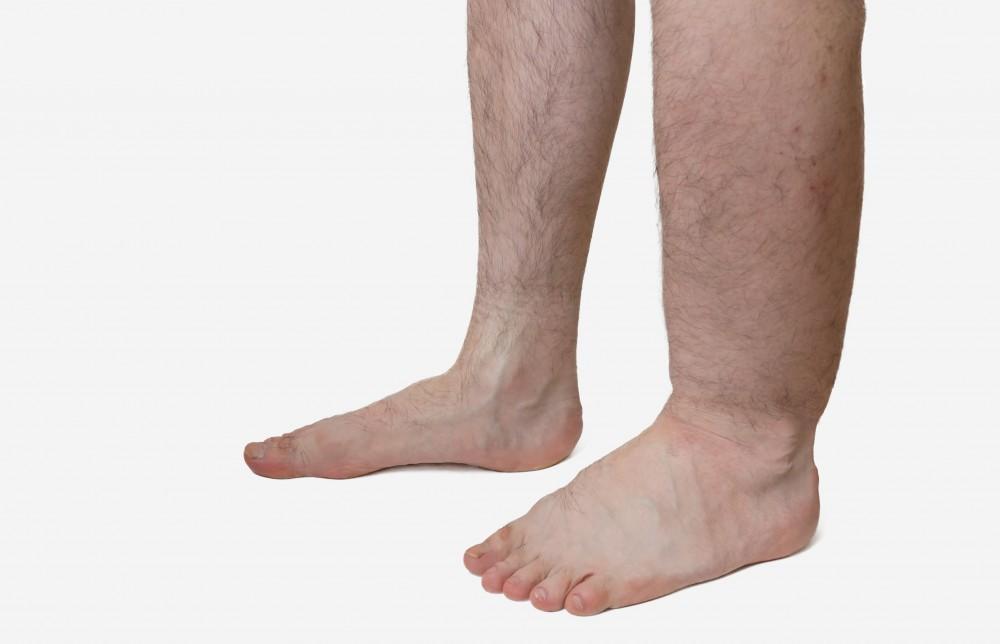
One of the most common reasons for leg swelling is prolonged sitting or standing.
When you remain in the same position for hours, gravity causes blood and fluid to collect in the lower parts of the body. As a result, your feet and ankles may become swollen, especially by the end of the day.
People who work at desks, drive long distances, or frequently travel by plane often experience this type of swelling. Fortunately, it usually improves with movement, stretching, and elevating the legs.
2. Chronic Venous Insufficiency
Your veins rely on tiny valves to help move blood back to the heart. When these valves weaken or become damaged, blood can pool in the legs instead of flowing properly.
Common symptoms include:
- Swollen ankles and lower legs
- Aching or heaviness in the legs
- Varicose veins
- Leg cramps
- Skin changes around the ankles
Venous insufficiency becomes more common with age and can worsen if left untreated.
3. Deep Vein Thrombosis (DVT)
Deep vein thrombosis occurs when a blood clot forms in a deep vein, usually in the leg.
Warning signs may include:
- Swelling in one leg only
- Pain or tenderness in the calf
- Warmth or redness of the skin
- Leg discomfort when walking
DVT is considered a medical emergency because the clot can break loose and travel to the lungs, causing a potentially life-threatening pulmonary embolism.
4. Heart Problems
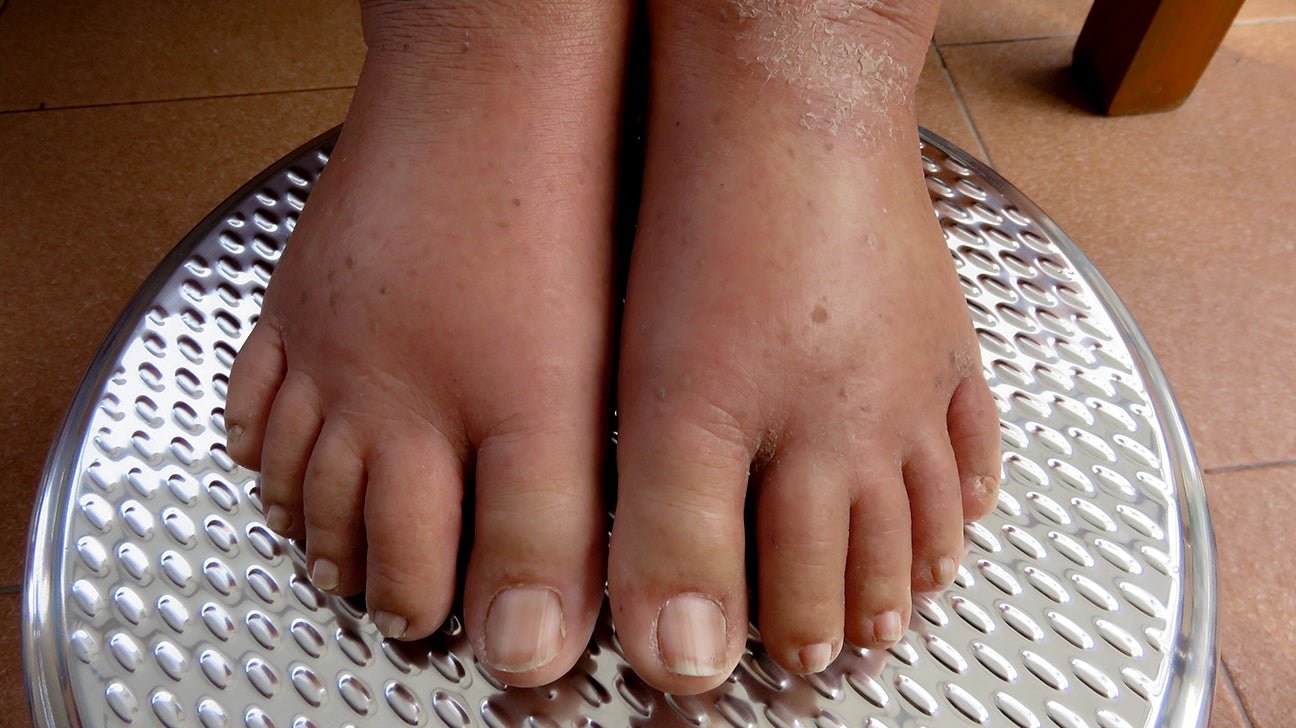
When the heart cannot pump blood efficiently, fluid may build up in different parts of the body, particularly the legs, ankles, and feet.
Symptoms may include:
- Swelling in both legs
- Shortness of breath
- Fatigue
- Rapid weight gain from fluid retention
Persistent swelling accompanied by breathing difficulties should never be ignored.
5. Kidney Disease
Healthy kidneys help remove excess fluid and waste from the body. When kidney function declines, fluid can accumulate and cause noticeable swelling.
Other signs may include:
- Swollen feet and ankles
- Puffiness around the eyes
- Changes in urination
- Fatigue
In some cases, swelling may be one of the earliest signs of kidney disease.
6. Liver Disease
The liver produces albumin, a protein that helps keep fluid inside blood vessels. When liver function is impaired, albumin levels may fall, allowing fluid to leak into surrounding tissues.
Symptoms can include:
- Swollen legs and ankles
- Abdominal swelling
- Fatigue
- Yellowing of the skin or eyes (jaundice)
Medical evaluation is important to determine the underlying cause.
7. Medication Side Effects

Certain medications can contribute to fluid retention and swelling, including:
- Some blood pressure medications
- Anti-inflammatory drugs
- Steroids
- Hormone therapies
If swelling begins after starting a new medication, consult your healthcare provider before making any changes.
8. Pregnancy
Leg and ankle swelling is common during pregnancy, especially during the third trimester.
This happens because:
- Blood volume increases
- Hormonal changes affect circulation
- The growing uterus places pressure on veins
However, sudden or severe swelling—especially when accompanied by headaches, vision changes, or high blood pressure—requires prompt medical attention.
When Should You See a Doctor?
Seek medical care immediately if leg swelling is accompanied by:
- Chest pain
- Shortness of breath
- Sudden swelling in one leg
- Redness, warmth, or severe pain
- Fever
- Difficulty walking
These symptoms may indicate a serious condition that requires urgent treatment.
Tips to Reduce Mild Leg Swelling
If your swelling is not caused by a serious medical condition, these strategies may help:
- Elevate your legs when resting
- Stay physically active
- Avoid sitting or standing for long periods
- Reduce excessive salt intake
- Stay hydrated
- Wear compression stockings if recommended by your doctor
The Bottom Line
Swollen legs are often harmless and may result from everyday factors such as prolonged sitting or standing. However, persistent, recurring, or unexplained swelling can sometimes be a sign of an underlying medical condition involving the veins, heart, kidneys, or liver.
Paying attention to changes in your body and seeking medical advice when symptoms persist can help identify potential problems early and support better long-term health.
Disclaimer: This article is for informational purposes only and should not be considered medical advice. Consult a qualified healthcare professional if you have concerns about swelling or other symptoms.