Your skin can sometimes provide clues about what's happening inside your body. Because the liver performs hundreds of important functions - including processing nutrients, producing proteins, helping regulate metabolism, and removing waste products—certain liver disorders can produce visible changes in the skin.
However, it's important not to jump to conclusions. Most skin changes have many possible causes, and a skin symptom alone cannot diagnose liver disease. Some changes may be caused by allergies, medications, infections, hormonal changes, aging, or common dermatological conditions.
Still, recognizing patterns can be useful. If a new skin change persists, becomes more noticeable, or occurs alongside symptoms such as unusual fatigue, abdominal swelling, dark urine, or changes in appetite, it may be worth discussing with a healthcare professional.
Here are five skin changes that can sometimes be associated with liver problems.
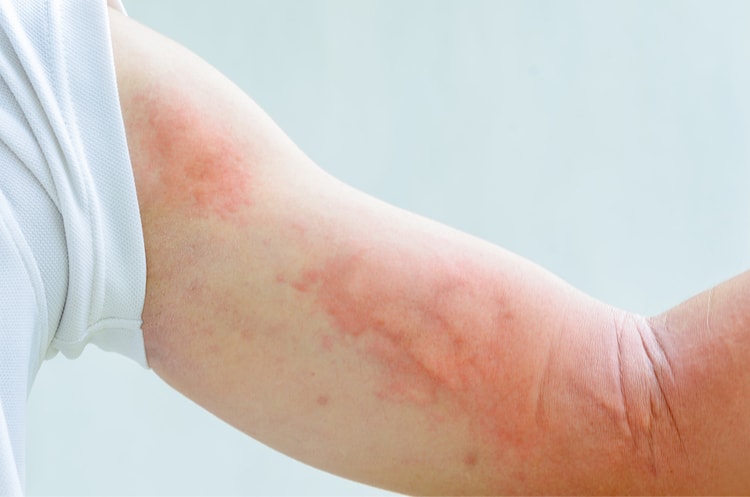
1. Yellowing of the Skin or Eyes
One of the best-known visible signs associated with certain liver conditions is jaundice.
Jaundice causes the skin and the whites of the eyes to develop a yellowish color.
Why does this happen?
The body produces a yellow pigment called bilirubin when red blood cells are broken down. Normally, the liver processes bilirubin and helps eliminate it through bile.
When bilirubin builds up in the bloodstream, it can accumulate in tissues and cause the characteristic yellow color.
Jaundice can occur with:
-
Liver disease
-
Gallbladder problems
-
Blocked bile ducts
-
Certain blood disorders
-
Other medical conditions
What to Watch For
Jaundice may be easier to notice in the whites of the eyes than in the skin, particularly in people with darker skin tones.
It may also occur alongside:
-
Dark urine
-
Pale or clay-colored stool
-
Abdominal discomfort
-
Fatigue
-
Nausea
When to Seek Medical Care
New or unexplained yellowing of the skin or eyes should be medically evaluated, particularly if it appears suddenly or is accompanied by abdominal pain, vomiting, confusion, or fever.
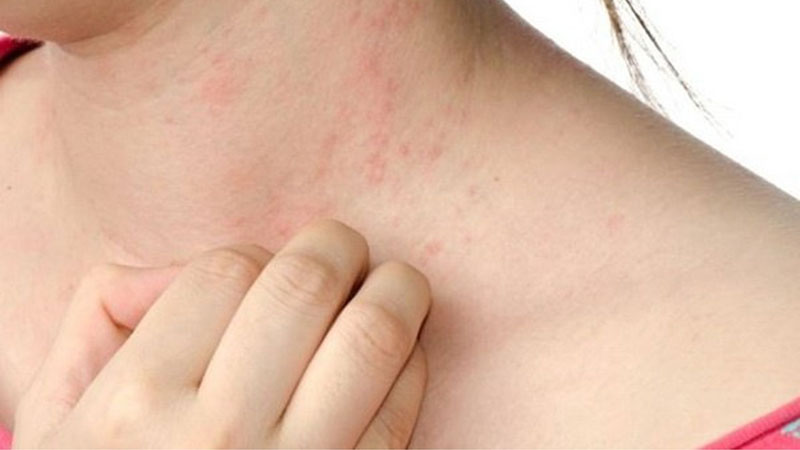
2. Persistent Itching Without an Obvious Rash
Persistent itching, medically known as pruritus, can occur for many reasons.
Dry skin, eczema, allergies, insect bites, medications, and other conditions are much more common explanations.
However, itching can also occur with certain liver and bile-duct disorders.
When bile flow is impaired, substances associated with bile may accumulate in the bloodstream and contribute to itching.
Liver-related itching may be:
-
Persistent
-
Widespread
-
Worse at night
-
Present without a visible rash
It can sometimes affect the hands and feet particularly strongly, although itching may occur anywhere on the body.
What You Can Do
If persistent itching doesn't improve with basic skin care—or occurs alongside jaundice, dark urine, pale stools, or unexplained fatigue—talk with a healthcare professional.
3. Spider-Like Blood Vessels on the Skin
Another possible skin finding associated with certain chronic liver conditions is spider angioma, also called spider telangiectasia.
These appear as small red blood vessels that spread outward from a central point, sometimes resembling a tiny spider.
They are commonly found on the:
-
Face
-
Neck
-
Upper chest
-
Arms
Spider angiomas aren't always related to liver disease.
They can also occur in healthy people, particularly during pregnancy or because of hormonal changes.
However, multiple new spider angiomas, particularly when accompanied by other symptoms of chronic liver disease, may warrant medical evaluation.
4. Easy Bruising or Unusual Bleeding
If you suddenly notice that you develop bruises much more easily than before, don't automatically assume you have liver disease.
Easy bruising can result from:
-
Aging
-
Certain medications
-
Nutritional deficiencies
-
Low platelet levels
-
Blood disorders
-
Physical trauma
-
Other medical conditions
However, advanced liver disease can affect the body's ability to produce certain proteins involved in blood clotting. Liver disease can also be associated with low platelet counts.
As a result, some people with significant liver dysfunction may experience:
-
Easy bruising
-
Nosebleeds
-
Bleeding gums
-
Bruises that appear without an obvious injury
Important
Unexplained or excessive bleeding should be medically evaluated, especially if it develops suddenly.
5. Changes in the Color or Appearance of the Skin
Liver disorders can sometimes be associated with changes in skin appearance beyond yellowing.
Depending on the underlying condition, people may notice:
-
Generalized changes in skin tone
-
Increased pigmentation
-
Pale-looking skin related to anemia
-
Dryness or other nonspecific changes
However, these changes are not specific to liver disease.
For example, changes in pigmentation can result from sun exposure, hormonal changes, medications, nutritional deficiencies, or dermatological conditions.
This is why a healthcare professional needs to evaluate the overall pattern rather than relying on a single skin symptom.
Why Can Liver Problems Affect the Skin?
The connection between the liver and skin is complex.
The liver plays a major role in:
-
Processing bilirubin
-
Producing clotting proteins
-
Metabolizing hormones
-
Processing medications and chemicals
-
Managing nutrients
-
Producing bile
-
Regulating various metabolic processes
When liver function becomes significantly impaired, these processes can be disrupted.
Some consequences become visible on the skin or elsewhere in the body.
But these signs generally indicate that something may need evaluation, rather than proving that the liver is the cause.
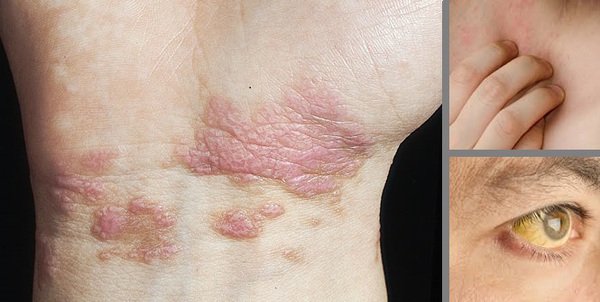
Other Symptoms That May Occur With Liver Disease
Skin changes become more meaningful when they occur together with other symptoms.
Possible symptoms of liver disease can include:
Persistent Fatigue
Feeling unusually tired despite getting adequate sleep.
Loss of Appetite
A reduced desire to eat may occur with some liver conditions.
Nausea
Digestive discomfort can accompany liver dysfunction.
Abdominal Swelling
Fluid accumulation can cause the abdomen to become enlarged in advanced liver disease.
Leg or Ankle Swelling
Fluid retention may occur when liver function is significantly impaired.
Dark Urine
Bilirubin entering the urine can make it appear unusually dark.
Pale Stool
Reduced bile reaching the intestines can sometimes cause unusually pale stools.
Confusion or Difficulty Concentrating
Advanced liver disease can affect brain function, a complication known as hepatic encephalopathy.
These symptoms have many possible causes, so proper medical evaluation is essential.
What Causes Liver Disease?
Liver problems can develop for many different reasons.
Common causes include:
-
Metabolic dysfunction-associated steatotic liver disease (MASLD)
-
Alcohol-associated liver disease
-
Viral hepatitis
-
Certain medications
-
Autoimmune liver diseases
-
Genetic conditions
-
Long-term exposure to certain toxins
Some liver conditions can progress silently for years.
That's one reason routine health checks can be important for people with risk factors.
Who Is at Higher Risk?
Your risk of liver disease may be higher if you have:
-
Obesity
-
Type 2 diabetes
-
Metabolic syndrome
-
High triglycerides
-
A family history of liver disease
-
Heavy alcohol consumption
-
Chronic viral hepatitis
-
Certain medication exposures
If you have significant risk factors, discuss appropriate screening with your healthcare provider.
How Doctors Check Liver Health
A doctor may use several methods to evaluate liver function.
Blood Tests
Common liver-related blood tests include:
-
ALT
-
AST
-
Alkaline phosphatase
-
Bilirubin
-
Albumin
-
GGT
These tests can provide clues about liver injury and function.
Imaging
Depending on the situation, a doctor may recommend:
-
Ultrasound
-
CT scan
-
MRI
-
Elastography
These tests can help evaluate the liver's structure and, in some cases, the degree of fibrosis.
Medical History and Physical Examination
Your doctor may also ask about:
-
Alcohol intake
-
Medications
-
Supplements
-
Diet
-
Weight changes
-
Family history
-
Previous infections
No single test tells the entire story.
How Can You Protect Your Liver?
Fortunately, many lifestyle habits can support long-term liver health.
Maintain a Healthy Weight
Excess body fat, particularly around the abdomen, is strongly associated with metabolic liver disease.
If you're overweight, gradual and sustainable weight loss can benefit liver health.
Exercise Regularly
Physical activity can improve:
-
Insulin sensitivity
-
Weight management
-
Cardiovascular health
-
Liver fat levels
A combination of aerobic activity and resistance training can be particularly beneficial.
Limit Alcohol
Excessive alcohol consumption can damage the liver.
If you drink alcohol, staying within recommended limits—or avoiding it altogether—is an important consideration for liver health.
Eat a Balanced Diet
Emphasize:
-
Vegetables
-
Fruits
-
Whole grains
-
Beans
-
Nuts
-
Fish
-
Lean proteins
-
Healthy fats
Limit excessive amounts of:
-
Added sugars
-
Highly processed foods
-
Refined carbohydrates
-
Saturated fats
Be Careful With Supplements
"Natural" does not automatically mean safe.
Some herbal products and dietary supplements have been associated with liver injury.
Always tell your healthcare provider about supplements you take, especially if you're using multiple products.
Can You "Detox" Your Liver?
Your liver already performs its own detoxification functions.
There is no need for special detox drinks, juice cleanses, or extreme fasting programs to "flush toxins" from a healthy liver.
In fact, some unregulated detox supplements can potentially harm the liver.
The best strategy is much less exciting but far more reliable:
Eat well, exercise, maintain a healthy weight, limit alcohol, and avoid unnecessary exposure to substances that can damage the liver.
When Should You See a Doctor?
Contact a healthcare professional if you develop:
-
Yellow skin or eyes
-
Persistent unexplained itching
-
Unexplained easy bruising
-
Significant abdominal swelling
-
Dark urine with pale stools
-
Persistent fatigue
-
Unexplained weight loss
-
Confusion or major changes in alertness
Seek urgent medical attention for severe symptoms such as vomiting blood, black tarry stools, severe abdominal pain, sudden confusion, or rapidly worsening jaundice.
The Bottom Line
Your skin can sometimes provide clues about what's happening inside your body, and certain skin changes—including jaundice, persistent unexplained itching, spider angiomas, unusual bruising, and some changes in skin appearance—can occur in people with liver disorders.
But these signs are not diagnostic on their own. Many have much more common explanations, and some people with liver disease may have no visible skin changes at all.
The most important thing is to pay attention to persistent or unusual changes, especially when several symptoms occur together. If you're concerned about your liver health, a healthcare professional can evaluate your symptoms and, when appropriate, use blood tests or imaging to determine whether further investigation is needed.
Taking care of your liver doesn't require a miracle food or detox program. A balanced diet, regular exercise, healthy weight, moderate or no alcohol consumption, careful medication and supplement use, and appropriate medical screening are among the most practical ways to support liver health over the long term.