Appendicitis is one of the most common causes of emergency abdominal surgery worldwide. It occurs when the appendix - a small, finger-shaped pouch attached to the beginning of the large intestine becomes inflamed. Although the appendix has some immune-related functions, particularly early in life, it is not considered essential for survival. However, when it becomes inflamed, prompt medical attention is crucial.
Without timely treatment, an inflamed appendix can rupture, allowing bacteria to spread throughout the abdominal cavity. This may lead to peritonitis, a serious infection, or the formation of an abscess, both of which require urgent medical care. Fortunately, when appendicitis is recognized and treated early, the outlook is generally excellent.
Because appendicitis often begins with symptoms that resemble indigestion, stomach flu, or food poisoning, many people delay seeking care. Understanding the warning signs can help you recognize when abdominal pain deserves immediate medical evaluation.
Let's explore six possible warning signs of appendicitis, how the condition is diagnosed, and why acting quickly can make a significant difference.
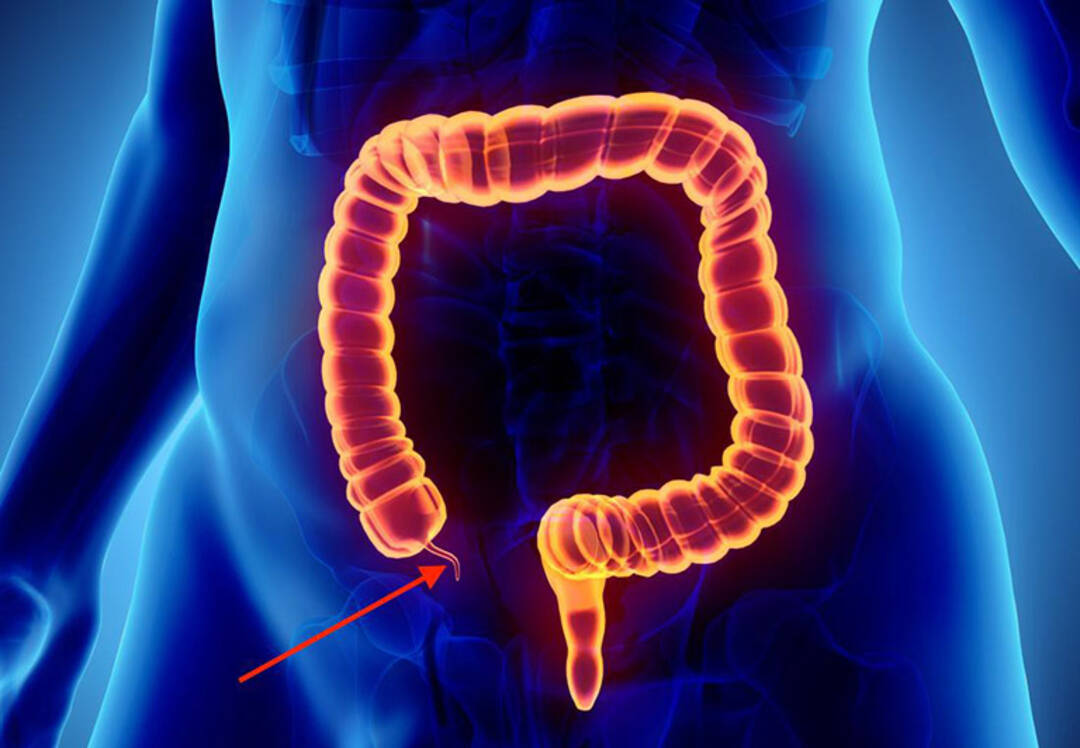
What Is the Appendix?
The appendix is a narrow, tube-like structure located in the lower right side of the abdomen, where the small intestine joins the large intestine.
Although scientists continue to study its exact purpose, the appendix is thought to:
-
Contain lymphoid tissue that supports immune function
-
Possibly serve as a reservoir for beneficial gut bacteria
People can live healthy lives without an appendix.
What Causes Appendicitis?
Appendicitis develops when the inside of the appendix becomes blocked.
Possible causes include:
-
Hardened stool (fecalith)
-
Swollen lymph tissue after an infection
-
Intestinal parasites (rare)
-
Foreign material (uncommon)
-
Tumors (rare, particularly in older adults)
Once blocked, bacteria multiply inside the appendix, leading to inflammation, swelling, and increased pressure.
If untreated, the appendix may eventually rupture.
Who Is Most at Risk?
Appendicitis can occur at any age but is most common between 10 and 30 years old.
It affects:
-
Children
-
Teenagers
-
Young adults
-
Older adults (less commonly)
Both men and women can develop appendicitis.
1. Pain That Begins Near the Belly Button and Moves to the Lower Right Abdomen
The classic symptom of appendicitis is abdominal pain that changes location.
It often begins as a vague discomfort around:
-
The belly button
-
The upper middle abdomen
Within several hours, the pain typically shifts to the lower right side of the abdomen.
As inflammation worsens, the pain usually becomes:
-
Sharper
-
More constant
-
More localized
Many people notice that walking, coughing, sneezing, or sudden movements make the pain worse.
It's important to remember that not everyone experiences this classic pattern, especially young children, older adults, and pregnant individuals.
2. Loss of Appetite
Many people with appendicitis suddenly lose interest in eating.
You may notice:
-
Feeling full quickly
-
Not wanting food
-
Skipping meals because of abdominal discomfort
Loss of appetite is common but can also occur with many other illnesses.
When combined with abdominal pain, however, it becomes more concerning.
3. Nausea and Vomiting
After abdominal pain begins, many people develop:
-
Nausea
-
Vomiting
Unlike food poisoning, appendicitis usually starts with abdominal pain before vomiting.
This sequence can help healthcare providers distinguish appendicitis from other digestive illnesses.
Persistent vomiting can also lead to dehydration if not treated.
4. Fever and Chills
A mild fever may develop as the body's immune system responds to inflammation.
Symptoms may include:
-
Low-grade fever
-
Chills
-
Feeling generally unwell
A higher fever, especially when accompanied by severe abdominal pain, may suggest that the appendix has ruptured or that an infection has spread.
This requires immediate medical attention.
5. Changes in Bowel Habits
Some people with appendicitis experience changes in bowel function.
These may include:
-
Constipation
-
Diarrhea
-
Difficulty passing gas
-
Abdominal bloating
These symptoms are not specific to appendicitis but may occur alongside the more typical signs.
Because bowel changes have many possible causes, they should be interpreted together with the overall clinical picture.
6. Pain That Gets Worse Over Time
Unlike temporary stomach cramps, appendicitis pain usually becomes progressively more severe.
Warning features include:
-
Pain lasting several hours
-
Increasing intensity
-
Pain that doesn't improve with rest
-
Pain worsened by movement or coughing
Persistent, worsening abdominal pain should never be ignored.
Other Possible Symptoms
Some people may also experience:
-
Fatigue
-
Abdominal swelling
-
General weakness
-
Difficulty standing upright because of pain
Symptoms can vary depending on:
-
Age
-
Pregnancy
-
The position of the appendix
Appendicitis Symptoms in Children
Young children may have difficulty describing their pain.
Possible signs include:
-
Crying when the abdomen is touched
-
Refusing food
-
Fever
-
Vomiting
-
Irritability
-
Lethargy
Because symptoms may be less typical, diagnosis can sometimes be delayed.
Parents should seek prompt medical evaluation for persistent abdominal pain in children.
Appendicitis During Pregnancy
During pregnancy, the growing uterus may shift the position of the appendix.
Pain may occur:
-
Higher in the abdomen
-
Closer to the right side of the rib cage
Pregnant individuals with persistent abdominal pain should seek medical care promptly.
Symptoms in Older Adults
Older adults may develop milder or less obvious symptoms.
They may experience:
-
Mild abdominal discomfort
-
Confusion
-
Reduced appetite
-
Fatigue
Because symptoms can be subtle, delayed diagnosis is more common in this age group.
What Happens If the Appendix Ruptures?
Without treatment, the appendix may rupture.
This allows bacteria to spread into the abdominal cavity.
Possible complications include:
-
Peritonitis
-
Abdominal abscess
-
Sepsis (a life-threatening response to infection)
A ruptured appendix is a medical emergency requiring immediate treatment.
How Is Appendicitis Diagnosed?
Healthcare providers consider several factors, including:
Medical History
Questions about:
-
Pain location
-
Symptom progression
-
Fever
-
Appetite
-
Vomiting
Physical Examination
A clinician may gently press on the abdomen to look for tenderness, guarding, or signs of irritation of the abdominal lining.
Blood Tests
These may show:
-
Elevated white blood cell count
-
Signs of inflammation
However, normal blood tests do not completely rule out appendicitis.
Urine Tests
Urine testing helps exclude urinary tract infections or kidney stones, which can cause similar symptoms.
Imaging
Depending on the situation, imaging may include:
-
Ultrasound
-
CT scan
-
MRI (particularly during pregnancy)
Imaging often helps confirm the diagnosis.
How Is Appendicitis Treated?
Treatment depends on the severity of the condition.
Appendectomy
The most common treatment is surgical removal of the appendix.
This procedure may be performed:
-
Laparoscopically (minimally invasive)
-
Through an open incision
Most people recover well after surgery.
Antibiotics
Antibiotics are used to treat infection.
In selected cases of uncomplicated appendicitis, some patients may initially be treated with antibiotics alone under close medical supervision.
However, surgery remains the standard treatment for many cases.
Recovery After Surgery
Most patients return to normal activities within several weeks.
Recovery depends on:
-
Surgical approach
-
Whether the appendix ruptured
-
Overall health
Follow your surgeon's instructions regarding:
-
Wound care
-
Physical activity
-
Follow-up appointments
Can Appendicitis Be Prevented?
There is no guaranteed way to prevent appendicitis.
Some studies suggest that diets rich in fiber from fruits, vegetables, legumes, and whole grains may support overall digestive health, but there is no proven method to eliminate the risk of appendicitis.
Common Myths About Appendicitis
Myth 1: Appendicitis Always Causes Pain in the Lower Right Abdomen
Not always.
Pain often starts near the belly button and may vary depending on the person's anatomy, age, or pregnancy.
Myth 2: If the Pain Goes Away, You're Better
A sudden decrease in severe pain after hours of worsening symptoms may sometimes occur if the appendix ruptures.
This does not mean the condition has improved.
Medical evaluation is still urgently needed.
Myth 3: Only Children Get Appendicitis
Appendicitis can occur at any age, although it is more common in younger people.
Myth 4: You Can Treat Appendicitis at Home
Persistent abdominal pain should never be managed solely with home remedies if appendicitis is suspected.
Prompt medical evaluation is essential.
When Should You Seek Emergency Medical Care?
Go to the nearest emergency department immediately if you experience:
-
Severe or worsening abdominal pain
-
Pain moving to the lower right abdomen
-
Fever with abdominal pain
-
Persistent vomiting
-
Pain that worsens when walking or coughing
-
Abdominal pain with fainting or confusion
Do not take laxatives or attempt to self-treat severe abdominal pain without medical advice, as this may complicate the situation.
The Bottom Line
Appendicitis is a common medical emergency that requires prompt evaluation. Pain that begins near the belly button and moves to the lower right abdomen, loss of appetite, nausea and vomiting, fever, changes in bowel habits, and pain that steadily worsens are all possible warning signs that should not be ignored.
These symptoms do not automatically mean you have appendicitis, but they do require medical assessment—especially if they occur together or become more severe over time.
Final Thoughts
Abdominal pain is common, and many cases are caused by relatively minor conditions. However, appendicitis is different because delaying treatment can lead to serious complications, including rupture of the appendix and life-threatening infection.
If you or someone you know develops persistent abdominal pain—especially pain that moves to the lower right side, is accompanied by fever, nausea, or vomiting, or becomes progressively worse—seek medical attention without delay. Early diagnosis and appropriate treatment offer the best chance for a smooth recovery and can help prevent potentially serious complications.
Your body often gives warning signs when something isn't right. Listening to those signals and acting promptly may make all the difference.