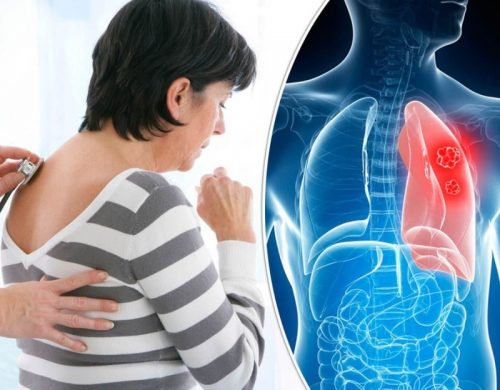
Pain is one of the body's most common warning signals. Sometimes it comes from something minor, such as a strained muscle, an awkward sleeping position, or temporary inflammation. But in some situations, pain can be associated with a problem involving the lungs or the structures surrounding them.
The tricky part is that lung-related problems do not always cause pain directly over the lungs. Depending on the condition, discomfort may be felt in the chest, back, shoulder, or other nearby areas. And because many non-lung conditions can cause similar symptoms, the location of pain alone cannot tell you what is wrong.
That is why persistent, unexplained, or sudden pain deserves attention - especially when it occurs alongside breathing problems or other new symptoms.
Here are seven areas where pain may sometimes be associated with lung or chest conditions, along with signs that should not be ignored.

1. Chest Pain
Chest pain is perhaps the symptom most people associate with the lungs.
Pain related to the lungs or surrounding tissues can sometimes feel sharp, stabbing, burning, or aching. Certain types of inflammation involving the lining around the lungs, known as the pleura, can cause pain that becomes worse when taking a deep breath or coughing.
However, chest pain has many possible causes.
It can come from the heart, lungs, esophagus, muscles, ribs, nerves, or other structures.
That distinction is extremely important.
A new or unexplained chest pain should not automatically be blamed on the lungs.
Seek emergency help if chest pain is:
-
Severe or sudden
-
Associated with significant shortness of breath
-
Accompanied by fainting or severe weakness
-
Associated with cold sweats or nausea
-
Spreading to the arm, jaw, neck, or back
-
Occurring with a feeling of pressure or tightness
Heart attacks and other cardiovascular emergencies can sometimes resemble respiratory problems, so it is safer to seek urgent evaluation than to guess at the cause.
2. Upper Back Pain
Pain between or around the shoulder blades can have many everyday causes.
Poor posture, prolonged computer use, muscle strain, arthritis, and spinal problems are common explanations.
But some conditions involving the lungs or pleura can also produce discomfort in the back.
For example, irritation of the pleural lining may cause pain that is felt in the chest or back and becomes more noticeable with deep breathing or coughing.
Certain serious lung conditions can also cause chest or back discomfort.
This doesn't mean that ordinary back pain is a sign of lung disease.
The more concerning pattern is new, persistent, unexplained pain accompanied by respiratory symptoms.
3. Shoulder Pain
Shoulder pain is usually related to the muscles, tendons, joints, or nerves around the shoulder.
However, pain can sometimes be referred from another area of the body.
One example is irritation near the diaphragm or certain nerves, which can sometimes be perceived around the shoulder.
Some conditions affecting the chest or lungs may produce this kind of referred discomfort.
A particularly unusual combination would be new shoulder pain accompanied by persistent cough, shortness of breath, chest discomfort, or unexplained weight loss.
Again, the pain itself does not diagnose a lung problem.
But a change from your normal pattern deserves attention.
4. Pain Along the Ribs or Side of the Chest
Pain around the ribs can occur for many reasons.
A pulled muscle, coughing repeatedly, an injury, or inflammation of the structures around the ribs can all cause discomfort.
Lung-related inflammation may also produce pain along the side of the chest.
One clue can be whether the pain changes with breathing.
Pleuritic pain is often sharp and can become worse when taking a deep breath or coughing.
But this symptom isn't specific to one condition.
Pleuritic pain can occur with infections, inflammation, pulmonary embolism, pneumothorax, and other conditions.
That's why sudden or unexplained breathing-related chest pain should be evaluated rather than self-diagnosed.
5. Pain That Radiates Into the Neck
Pain or pressure extending toward the neck can have several causes.
Some respiratory infections can produce discomfort in the throat or upper chest because of coughing and inflammation.
But neck discomfort associated with chest symptoms can also have other causes, including cardiovascular problems.
This is particularly important because people sometimes assume that a symptom is “just from the lungs” when the actual source may be elsewhere.
If neck discomfort occurs suddenly with chest pressure, shortness of breath, sweating, nausea, dizziness, or weakness, seek emergency medical attention.
Don't wait for the symptom to reveal its cause on its own.
6. Pain That Travels Into the Arm
Pain involving the arm deserves special attention when it occurs with chest symptoms.
A lung problem isn't the only possible explanation. In fact, heart-related conditions are particularly important to consider when discomfort spreads from the chest toward an arm, shoulder, neck, jaw, or back.
A heart attack doesn't always present as dramatic crushing chest pain.
Some people experience pressure, heaviness, shortness of breath, unusual fatigue, nausea, or discomfort in other parts of the upper body.
This is one reason it is dangerous to assume that unexplained arm pain is simply a muscle problem.
If sudden arm discomfort occurs together with chest discomfort, difficulty breathing, sweating, faintness, or other concerning symptoms, seek emergency care.

7. Pain That Becomes Worse When You Breathe
This isn't exactly a single body location, but it is an important pattern to recognize.
Pain that becomes noticeably worse with a deep breath or coughing is sometimes described as pleuritic pain.
The pleura are thin layers of tissue surrounding the lungs. When these tissues become inflamed or irritated, breathing can cause the layers to move against one another, producing sharp discomfort.
Possible causes include:
-
Viral or bacterial respiratory infections
-
Pneumonia
-
Inflammation of the pleura
-
Pulmonary embolism
-
Pneumothorax
-
Other chest conditions
Some causes are relatively minor, while others can be life-threatening.
Therefore, the severity and accompanying symptoms matter.
Pain Isn't the Only Lung Warning Sign
If you're concerned about your lung health, don't focus exclusively on pain.
Other symptoms may provide important clues.
Persistent cough
A cough that continues for weeks deserves evaluation, especially if it is unexplained or worsening.
Shortness of breath
Breathlessness that is new, persistent, or disproportionate to your activity should not simply be dismissed as getting older or being out of shape.
Coughing up blood
Blood in the sputum can have several causes, but it should be medically evaluated.
Wheezing
New or persistent wheezing may indicate narrowing or inflammation of the airways.
Unexplained weight loss
Unexpected weight loss can occur with many medical conditions and should be discussed with a healthcare professional.
Recurrent respiratory infections
Repeated episodes of bronchitis or pneumonia may warrant further evaluation depending on the circumstances.
Persistent fatigue
Fatigue is extremely nonspecific, but persistent unexplained exhaustion can accompany many chronic conditions, including respiratory disease.
Why Lung Problems Can Cause Pain Elsewhere
The lungs themselves contain relatively few pain-sensitive structures.
Much of the pain associated with respiratory conditions can arise from surrounding tissues, including the pleura, chest wall, muscles, ribs, and nerves.
The nervous system can also cause the brain to perceive pain in a location that isn't exactly where the underlying problem originates.
This phenomenon is called referred pain.
That's why someone may feel discomfort in the shoulder, back, or chest even though the underlying irritation is somewhere else.
But referred pain is not unique to lung disease.
The same principle applies to many other organs and medical conditions.
When Should You Be Concerned?
Not every ache is an emergency.
A sore back after gardening, shoulder pain after exercise, or chest-wall tenderness after coughing may have a straightforward explanation.
What deserves more attention is a new, persistent, severe, or unexplained symptom, particularly when it appears together with other changes.
Contact a healthcare professional if you experience persistent pain accompanied by:
-
A cough that doesn't go away
-
Increasing shortness of breath
-
Unexplained fatigue
-
Fever
-
Unexplained weight loss
-
Repeated respiratory infections
-
Persistent wheezing
-
Blood in your sputum
Your doctor can determine whether further testing is necessary.
When to Seek Emergency Care
Some combinations of symptoms require immediate attention.
Call emergency medical services if you experience sudden severe difficulty breathing, severe or unexplained chest pain, fainting, blue or gray lips or skin, coughing up a significant amount of blood, or sudden symptoms suggesting a heart attack or pulmonary embolism.
A pulmonary embolism, for example, occurs when a blood clot blocks an artery in the lungs. It can cause sudden shortness of breath, chest pain that may worsen with breathing, rapid heartbeat, dizziness, or coughing up blood.
It is a medical emergency.
Likewise, a collapsed lung (pneumothorax) can cause sudden chest pain and shortness of breath and requires prompt medical evaluation.
Don't Try to Diagnose Yourself From Pain Location Alone
One of the biggest mistakes people make with symptom articles is assuming:
“I have pain here, therefore I have this disease.”
Medicine is rarely that simple.
The same area of pain can have dozens of possible causes.
For example, pain between the shoulder blades could be related to muscles, the spine, nerves, the digestive system, the heart, or structures in the chest.
Likewise, chest pain could come from the heart, lungs, muscles, ribs, digestive tract, or anxiety.
Doctors consider the location, quality, timing, severity, triggers, associated symptoms, medical history, medications, and risk factors before determining what should happen next.
What Can You Do to Protect Your Lung Health?
You don't need to wait until symptoms appear before taking care of your respiratory health.
Some of the most important steps include:
Don't smoke
Smoking is a major risk factor for lung cancer, chronic obstructive pulmonary disease (COPD), and numerous other health problems.
If you smoke, quitting can provide substantial health benefits at any age.
Avoid secondhand smoke
Regular exposure to other people's tobacco smoke can also damage respiratory health.
Pay attention to workplace exposures
Dust, fumes, chemicals, and certain industrial materials can affect the lungs.
Use appropriate protective equipment and follow workplace safety procedures.
Stay physically active
Regular physical activity supports overall cardiovascular and respiratory fitness.
Keep vaccinations up to date
Depending on your age and health status, vaccines such as influenza, COVID-19, and pneumococcal vaccines may help reduce the risk of certain respiratory illnesses.
Discuss appropriate vaccination with your healthcare professional.
Don't ignore persistent symptoms
A cough or breathing problem that continues for an extended period deserves attention rather than endless self-treatment.
The Bottom Line
Pain in the chest, back, shoulder, ribs, neck, or arm can sometimes be associated with conditions affecting the lungs or surrounding structures, but these symptoms are not specific to lung disease.
The location of pain is only one piece of the puzzle.
What matters more is the overall pattern.
A new unexplained pain accompanied by shortness of breath, persistent cough, fever, coughing up blood, unexplained weight loss, or worsening symptoms deserves medical evaluation.
And if pain or breathing difficulty is sudden and severe—or occurs with fainting, significant weakness, blue or gray skin, or other emergency symptoms—seek immediate medical attention.
Don't panic over every ache, but don't ignore a persistent or unusual change either. Your body may be giving you information, and the safest way to understand it is through proper medical evaluation rather than guessing from a symptom alone.