A heart attack does not always begin with a dramatic collapse.
For some people, symptoms can be sudden and unmistakable. For others, the warning signs may be subtle, intermittent, or easy to blame on stress, exhaustion, indigestion, or getting older.
That is one reason heart attacks can be so dangerous.
The heart needs a steady supply of oxygen-rich blood. When blood flow to part of the heart becomes blocked, heart muscle begins to suffer damage. In many cases, the blockage is related to a blood clot forming around a ruptured cholesterol-containing plaque in a coronary artery.
Although there is no guaranteed list of symptoms that appears months before every heart attack, certain changes can indicate underlying cardiovascular disease or reduced blood flow to the heart.
Some people experience warning symptoms days, weeks, or even longer before an event. Others have no noticeable warning at all.
So the goal isn't to predict a heart attack from a checklist.
The goal is to recognize unusual symptoms that deserve medical attention, especially when they represent a change from your normal health.
1. Chest Pressure or Discomfort With Activity
One of the most important warning signs is chest discomfort that repeatedly occurs during physical activity and improves after resting.
Instead of sharp pain, a person may describe:
-
Pressure
-
Tightness
-
Squeezing
-
Heaviness
-
Burning
-
A feeling that something is sitting on the chest
This pattern can occur with angina, which happens when the heart muscle does not receive enough oxygen-rich blood to meet its needs.
For example, you might feel uncomfortable while climbing stairs or walking quickly, then notice the sensation improves after stopping.
That should not simply be dismissed as being out of shape.
Chest discomfort that consistently appears with exertion deserves medical evaluation because it can indicate coronary artery disease.
2. Unusual Shortness of Breath
Shortness of breath can have many causes, including asthma, respiratory infections, anemia, anxiety, and poor physical conditioning.
But new or unexplained breathlessness can also be associated with heart disease.
You may notice that activities you previously handled easily suddenly leave you unusually winded.
Perhaps climbing one flight of stairs feels much harder than it did a few months ago.
Maybe you need to stop and catch your breath while walking at a normal pace.
These changes deserve attention, particularly when they occur with chest pressure, unusual fatigue, dizziness, or reduced exercise tolerance.
Not every episode of breathlessness is cardiac.
But a persistent decline in exercise capacity should not automatically be blamed on age.
3. Unusual Fatigue That Feels Different From Normal
Everyone gets tired.
The more concerning pattern is persistent or unusual fatigue that doesn't seem to match your activity level.
Some people with cardiovascular disease describe feeling drained by ordinary activities that previously required little effort.
You may find yourself resting more frequently, struggling to complete household tasks, or feeling exhausted after a normal workday.
Fatigue alone is not a reliable predictor of a heart attack.
It can result from poor sleep, thyroid problems, anemia, infections, depression, medication effects, and many other conditions.
But when fatigue is new and occurs together with shortness of breath, chest discomfort, dizziness, or reduced stamina, it deserves a medical assessment.
4. Pain or Discomfort That Spreads Beyond the Chest
Heart-related discomfort doesn't always stay in the chest.
It can sometimes spread to the:
Arm
Shoulder
Back
Neck
Jaw
Upper abdomen
This may feel like pressure, aching, tightness, heaviness, or an uncomfortable sensation rather than severe pain.
In some people, particularly women, older adults, and people with diabetes, heart-related symptoms may be less typical and may not involve dramatic chest pain.
That doesn't mean every sore shoulder or aching jaw is a sign of a heart problem.
Location alone is not enough to determine the cause.
But unexplained discomfort that occurs together with exertion, breathlessness, sweating, nausea, or chest pressure should be taken seriously.
5. Nausea, Indigestion, or an Unusual Feeling in the Upper Abdomen
Heart-related symptoms can sometimes resemble digestive problems.
A person may experience:
-
Nausea
-
Indigestion
-
Upper abdominal discomfort
-
A feeling of fullness
-
Burning or pressure
This can be particularly confusing because gastrointestinal conditions are extremely common.
Acid reflux, gastritis, food intolerance, gallbladder problems, and other digestive disorders can cause similar symptoms.
The important clue is the overall pattern.
If what seems like indigestion occurs during physical activity, alongside sweating or shortness of breath, or together with pressure in the chest, it should not simply be treated as a stomach problem.
When there is uncertainty, it is safer to seek medical evaluation.
6. Dizziness, Lightheadedness, or Near-Fainting
Feeling dizzy after standing up quickly is common.
But unexplained or recurrent lightheadedness can sometimes be related to cardiovascular problems.
If the heart isn't pumping effectively, or if there is a significant abnormal heart rhythm, blood flow to the brain can be affected.
A person may feel:
Lightheaded
Weak
Unsteady
As though they might faint
Sometimes dizziness occurs with palpitations or chest discomfort.
A single brief episode may have many possible causes.
But repeated or unexplained episodes- especially during exertion should be discussed with a healthcare professional.
Actual fainting, particularly during physical activity, warrants prompt medical attention.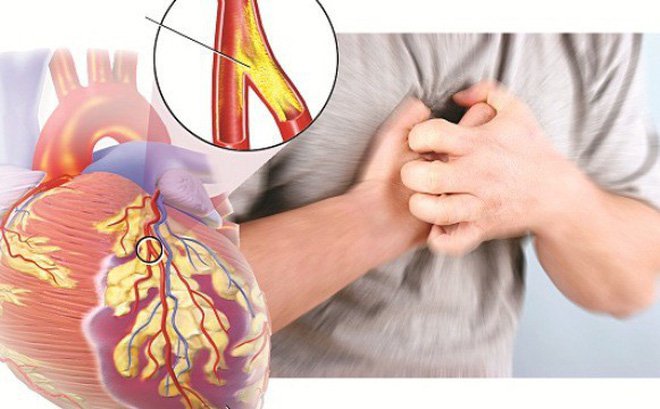
7. A Sudden Decline in Exercise Tolerance
One of the most overlooked warning signs is simply not being able to do what you used to do.
Maybe you previously walked several miles without difficulty.
Now you become unusually tired after a much shorter distance.
Perhaps you used to climb stairs easily but now need to stop halfway.
Or a normal workout suddenly feels far more difficult than expected.
A decline in exercise tolerance has numerous potential explanations.
Deconditioning, respiratory problems, anemia, infections, obesity, poor sleep, and many other conditions can reduce stamina.
However, a progressive and unexplained decline—especially when accompanied by chest discomfort or breathlessness—can justify a cardiovascular evaluation.
Your baseline matters.
A noticeable change from your usual ability is information worth paying attention to.
8. Unexplained Sweating or Feeling Suddenly Overheated
Sweating is a normal response to exercise, heat, or stress.
But cold, clammy, or unexplained sweating, particularly when it occurs with chest discomfort, nausea, weakness, or shortness of breath, can be a warning sign of a serious cardiovascular event.
Some people experience significant sweating even when they are not exercising or the environment is not hot.
That isn't automatically a heart attack.
Infections, hormonal changes, low blood sugar, anxiety, and several other conditions can cause sweating.
The combination of symptoms matters.
Sudden sweating plus chest pressure or difficulty breathing should not be ignored.
9. Palpitations or an Unusual Heartbeat
A sensation that your heart is racing, pounding, fluttering, or skipping can have many causes.
Caffeine, stress, dehydration, fever, medications, anxiety, and exercise can all cause temporary palpitations.
Sometimes, however, palpitations are related to an abnormal heart rhythm, known as an arrhythmia.
Certain arrhythmias can increase the risk of complications, including stroke or reduced cardiac output.
Palpitations accompanied by chest pain, severe shortness of breath, dizziness, or fainting require urgent medical evaluation.
Even when symptoms are less severe, recurring unexplained palpitations should be discussed with a healthcare professional.
An electrocardiogram or other monitoring may be appropriate depending on the situation.
10. Swelling, Especially With Breathlessness or Reduced Stamina
Swelling of the ankles and legs can have many causes.
Standing for long periods, certain medications, venous problems, and kidney or liver conditions can all contribute.
But swelling can also occur when the heart is not pumping blood effectively and fluid begins to accumulate.
A person may notice that their shoes feel tighter, their socks leave deeper marks, or their ankles look swollen at the end of the day.
When swelling occurs alongside breathlessness, unusual fatigue, difficulty lying flat, or a sudden decline in exercise tolerance, heart-related problems should be considered.
This doesn't necessarily indicate an impending heart attack.
It may instead indicate another form of cardiovascular disease that should be evaluated.
The Most Important Distinction: Symptoms During Exertion
One of the most useful clues in cardiovascular health is when symptoms happen.
Suppose you feel fine while sitting on the couch but consistently develop chest pressure and shortness of breath when walking uphill.
That pattern is more concerning than an isolated ache that appears randomly and disappears quickly.
Symptoms associated with physical exertion can sometimes reflect insufficient blood flow to the heart.
They shouldn't automatically be assumed to be muscle soreness or poor fitness.
Why Women May Experience Different Symptoms
Heart disease has historically been associated with the image of a man experiencing crushing chest pain.
That picture can be misleading.
Women can experience classic chest pressure, but they may also experience symptoms such as:
Unusual fatigue
Shortness of breath
Nausea
Back or jaw discomfort
Dizziness
Indigestion-like symptoms
These symptoms are not unique to heart disease.
But because they can be less obvious, they are sometimes dismissed.
Anyone with concerning symptoms should be evaluated based on the complete clinical picture rather than assumptions about how a heart attack “should” feel.
What About Silent Heart Attacks?
Some heart attacks occur with few or no obvious symptoms.
This is sometimes called a silent myocardial infarction.
Silent heart attacks are more common in certain groups, including older adults and people with diabetes.
This is one reason managing cardiovascular risk factors is so important even when you feel perfectly healthy.
A person cannot rely entirely on symptoms to know whether their arteries are healthy.
Regular medical care can help identify high blood pressure, high cholesterol, diabetes, and other risk factors before they lead to major complications.
High Blood Pressure Often Has No Warning Signs
One of the biggest problems with cardiovascular disease is that some major risk factors are silent.
High blood pressure usually does not cause obvious symptoms.
A person may feel energetic and healthy while their blood pressure remains elevated for years.
Over time, uncontrolled hypertension can damage blood vessels and substantially increase cardiovascular risk.
That's why checking blood pressure regularly is much more useful than waiting for your body to “tell you” that something is wrong.
High Cholesterol Can Also Be Silent
Elevated LDL cholesterol generally does not produce noticeable symptoms.
Yet cholesterol-containing plaques can gradually accumulate in arteries.
This process, known as atherosclerosis, may progress for years before producing symptoms.
A blood test is usually required to identify abnormal cholesterol levels.
Knowing your numbers can help you and your healthcare professional decide whether lifestyle changes, medication, or further evaluation is appropriate.
Diabetes Changes Cardiovascular Risk Too
Persistently elevated blood glucose can damage blood vessels and increase cardiovascular risk.
People with diabetes are at higher risk of heart disease and stroke.
The challenge is that diabetes can also develop without dramatic symptoms.
Routine testing is therefore important for people at elevated risk.
Managing blood glucose, blood pressure, cholesterol, diet, physical activity, and smoking status can make a meaningful difference in long-term cardiovascular health.
Smoking Is a Major Risk Factor
Smoking damages the lining of blood vessels and contributes to atherosclerosis.
It also increases the risk of heart attack and other cardiovascular problems.
If you smoke, quitting is one of the most effective changes you can make for your heart.
The benefits begin after quitting and continue over time.
Professional cessation support can make the process substantially easier than trying to rely solely on willpower.
Stress and Lack of Sleep Matter Too
Stress doesn't automatically cause a heart attack.
But chronic stress can affect sleep, blood pressure, activity levels, eating behavior, and other factors associated with cardiovascular health.
Likewise, consistently poor sleep can interfere with metabolic and cardiovascular health.
These aren't reasons to become anxious about every stressful day.
They're reminders that heart health is influenced by more than exercise and diet alone.
What Should You Do If You Notice These Symptoms?
The appropriate response depends on the symptom.
If you have a new, persistent, or recurring symptom, schedule a medical evaluation.
If symptoms occur during physical activity, tell your healthcare professional exactly what happens and how quickly it improves with rest.
If you experience sudden chest pressure, severe shortness of breath, fainting, or other symptoms that could represent a heart attack, don't wait for a routine appointment.
Call your local emergency medical service immediately.
Do not attempt to diagnose yourself from an online article.
What To Do During a Suspected Heart Attack
A suspected heart attack is an emergency.
Stop what you are doing and seek emergency medical assistance.
If possible, use emergency medical services rather than driving yourself to the hospital.
Emergency personnel can begin assessment and treatment during transportation.
Don't waste time trying to determine whether the symptoms are “serious enough.”
It's safer to have a concerning symptom evaluated urgently than to delay because you hope it will disappear.
Don't Assume It's Just Heartburn
This is a particularly important point.
Heartburn and heart-related chest discomfort can sometimes feel similar.
If the sensation is new, severe, associated with physical exertion, or accompanied by shortness of breath, sweating, nausea, weakness, or discomfort spreading to the arm, back, neck, or jaw, emergency evaluation is appropriate.
It is much better to discover that the cause was indigestion than to delay care for a heart attack.
Prevention Is More Powerful Than Prediction
Instead of trying to identify the exact month or week when a heart attack might happen, it is more useful to focus on reducing cardiovascular risk.
That means:
Control blood pressure.
Know your cholesterol levels.
Manage diabetes if you have it.
Don't smoke.
Stay physically active.
Eat a heart-supportive diet.
Maintain a healthy weight when appropriate.
Get adequate sleep.
Attend recommended medical checkups.
These steps cannot guarantee that a heart attack will never occur.
But they can reduce risk and improve overall cardiovascular health.
A Healthy Heart Doesn't Require Perfection
You don't have to completely eliminate every dessert, never miss a workout, or live a perfectly stress-free life.
Long-term patterns matter more.
Regular physical activity.
Mostly nutritious foods.
Reasonable portions.
Adequate sleep.
No tobacco.
Management of blood pressure and cholesterol.
Following medical advice.
These everyday choices can add up over years.
The Bottom Line
A heart attack doesn't always arrive with a dramatic warning.
Some people experience chest pressure with exertion, unusual shortness of breath, unexplained fatigue, discomfort spreading to the arm or jaw, nausea, dizziness, sweating, palpitations, reduced exercise tolerance, or swelling before a major cardiovascular event or as signs of underlying heart disease.
But there is no reliable symptom checklist that can predict a heart attack months in advance.
Many of these symptoms have completely different causes.
The safest approach is to recognize new, unexplained, persistent, or exertion-related changes and have them evaluated rather than dismissing them.
And when symptoms suggest an active heart attack—particularly new chest pressure or discomfort accompanied by shortness of breath, sweating, nausea, weakness, or pain spreading to other areas—treat it as an emergency and seek medical help immediately.
Your heart may not always give you a dramatic warning.
Sometimes, the warning is simply that something you've always been able to do suddenly becomes much harder.
That change is worth listening to.