You wake up expecting to feel refreshed after a night's sleep.
But instead, you notice something unusual.
Perhaps you wake up feeling unusually exhausted, even after what seemed like enough sleep. Or maybe you notice a strange change in your appetite, digestion, or overall sense of well-being that keeps happening in the morning.
Most of the time, these symptoms have ordinary explanations. Poor sleep, dehydration, stress, medications, dietary habits, and many other conditions can affect how you feel when you wake up.
But persistent or unexplained symptoms can sometimes be worth discussing with a healthcare professional—especially when they occur alongside other changes that may involve the liver.
The liver performs hundreds of important functions. It helps process nutrients, produces bile for digestion, stores energy, processes medications and other substances, and plays an important role in regulating many metabolic processes.
Unfortunately, liver problems can develop without obvious symptoms, particularly in their early stages.
So which morning symptoms deserve attention?
Two commonly discussed possibilities are persistent unexplained fatigue and nausea or reduced appetite.
Neither one proves that you have a liver problem. But when they are persistent, unexplained, or accompanied by other warning signs, they shouldn't simply be ignored.
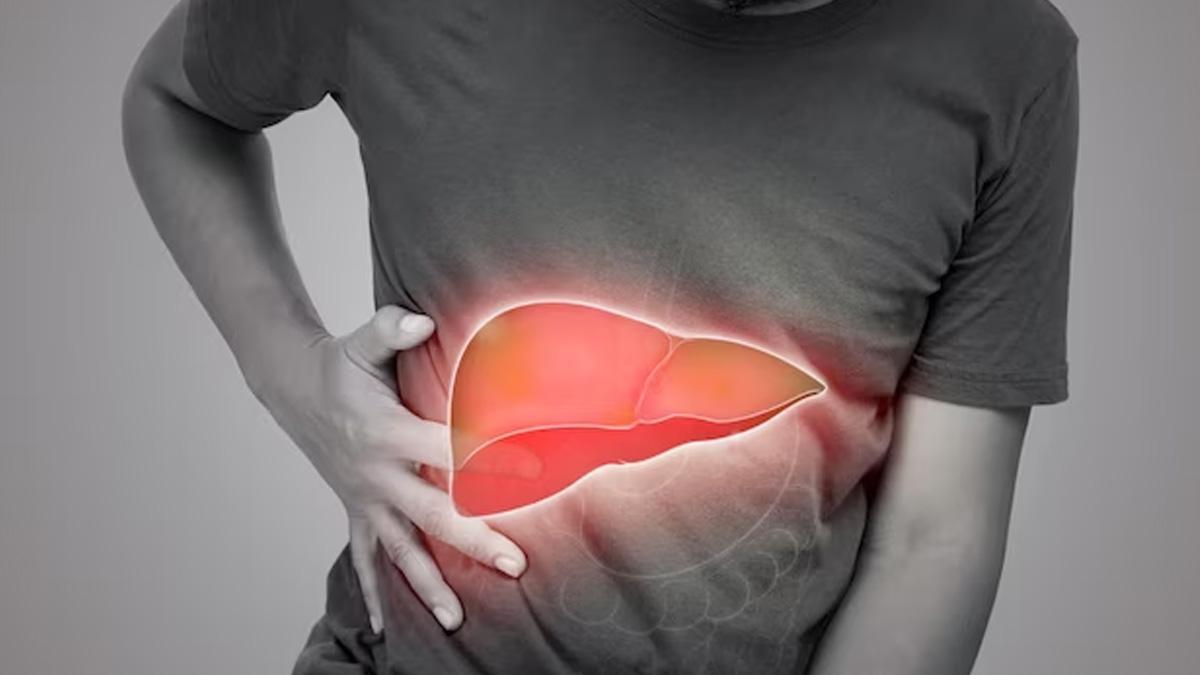
1. You Keep Waking Up Extremely Tired
Everyone has an occasional morning when getting out of bed feels difficult.
Maybe you stayed up too late.
Maybe you had a stressful day.
Maybe your sleep was interrupted.
That's normal.
The concern is different when you regularly wake up feeling exhausted despite getting what should be an adequate amount of sleep.
Fatigue is a common and very nonspecific symptom. It can occur with sleep disorders, anemia, thyroid problems, infections, depression, medication effects, nutritional deficiencies, and many other conditions.
It can also occur in people with liver disease.
Why can liver problems be associated with fatigue?
The liver is heavily involved in metabolism and energy processing.
When liver function is impaired, several processes in the body can be affected. Chronic liver disease can also be associated with inflammation and metabolic changes that contribute to feeling unusually tired.
But fatigue by itself is not a reliable way to diagnose liver disease.
That's an important distinction.
If you're tired every morning, it doesn't automatically mean that your liver is unhealthy.
Instead, think about the symptom in context.
When Morning Fatigue Deserves More Attention
Consider talking with a healthcare professional if your fatigue:
-
Continues for weeks
-
Is getting progressively worse
-
Doesn't improve with adequate rest
-
Interferes with work or daily activities
-
Is accompanied by unexplained weight loss
-
Occurs with persistent nausea
-
Occurs with abdominal discomfort
-
Appears alongside yellowing of the skin or eyes
-
Occurs with unusually dark urine or pale stools
-
Is accompanied by swelling in the abdomen or legs
A combination of symptoms is generally more informative than fatigue alone.
2. You Regularly Wake Up With Nausea or Little Appetite
Another symptom that can sometimes accompany liver disease is nausea or a reduced appetite.
You may wake up without feeling interested in breakfast.
Food that normally sounds appealing may suddenly seem unappetizing.
Some people may also experience nausea or a general feeling of discomfort.
Again, this symptom has an enormous number of possible explanations.
Morning nausea can occur because of:
-
Acid reflux
-
Poor sleep
-
Anxiety or stress
-
Certain medications
-
Pregnancy
-
Alcohol consumption
-
Viral infections
-
Digestive disorders
-
Low blood sugar
-
Migraine
-
Other medical conditions
So waking up nauseated does not mean that you have liver disease.
However, persistent loss of appetite or nausea becomes more important when it occurs together with other unexplained symptoms.
The Liver Can Sometimes Cause Symptoms Outside the Abdomen
Many people associate the liver only with the upper-right side of the abdomen.
But liver disease can affect the body in broader ways.
Depending on the underlying condition and how advanced it is, people may experience:
-
Fatigue
-
Poor appetite
-
Nausea
-
Abdominal discomfort
-
Itching
-
Swelling
-
Changes in urine color
-
Changes in stool color
-
Yellowing of the skin or eyes
Some people, particularly in earlier stages of certain chronic liver conditions, may have few or no symptoms at all.
This is why symptoms alone cannot determine whether the liver is functioning normally.
Blood tests and, when appropriate, imaging or other investigations may be needed.
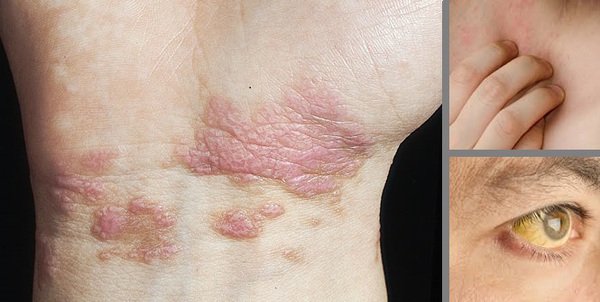
Pay Attention to Yellowing of the Eyes or Skin
One of the better-known signs associated with significant liver or bile-flow problems is jaundice.
Jaundice causes the skin or the whites of the eyes to develop a yellowish appearance.
It happens when bilirubin accumulates in the body.
Bilirubin is produced when red blood cells are broken down, and the liver plays an important role in processing it.
Jaundice can have many causes, including liver disease, problems with bile flow, and certain blood disorders.
If you notice new yellowing of your eyes or skin, particularly if it develops along with dark urine, pale stools, abdominal pain, fever, or vomiting, medical evaluation is important.
Dark Urine Can Be Another Clue
Urine can naturally become darker when you're dehydrated.
That's common, especially first thing in the morning.
But persistently dark or unusually brown urine can have other causes.
When bilirubin levels rise significantly, some of it can enter the urine and make it appear darker.
That's why urine color should be considered alongside other symptoms rather than interpreted on its own.
If your urine remains unusually dark despite drinking enough fluids—or if the change occurs together with jaundice or pale stools—contact a healthcare professional.
What About Pale or Clay-Colored Stools?
Bile helps give normal stool its characteristic brown color.
If bile isn't reaching the intestine normally, stools can sometimes become unusually pale, gray, or clay-colored.
This can occur with problems affecting the liver, gallbladder, or bile ducts.
A single lighter bowel movement isn't necessarily alarming.
Diet can affect stool appearance, and occasional changes are common.
But persistent pale stools—particularly when combined with dark urine or yellowing of the eyes—deserve medical attention.
Itching Can Sometimes Be Related to Liver Problems
Persistent itching without an obvious skin rash can have many causes.
Dry skin, allergies, medications, and dermatological conditions are common explanations.
However, certain liver and bile-duct disorders can also cause significant itching.
The mechanism can involve the accumulation of substances associated with impaired bile flow.
If you develop unexplained, persistent itching—especially if it occurs alongside jaundice, dark urine, pale stools, or abdominal symptoms—it's worth discussing with a healthcare professional.
Don't Forget About Abdominal Swelling
Another potential warning sign of advanced liver disease is fluid accumulation in the abdomen, known as ascites.
The abdomen may gradually become enlarged or feel unusually tight.
This is not the same thing as ordinary bloating after a large meal.
Ascites can occur for several medical reasons, including advanced liver disease, and should be medically evaluated.
Similarly, swelling in the legs or ankles can have many causes, including heart, kidney, liver, medication-related, and vascular conditions.
Persistent unexplained swelling shouldn't simply be attributed to “getting older.”
What Causes Liver Problems?
Liver disease isn't one single condition.
There are many different causes.
Some common examples include:
Metabolic dysfunction-associated steatotic liver disease
This condition involves excess fat accumulation in the liver and is commonly associated with metabolic risk factors such as obesity, type 2 diabetes, and abnormal cholesterol or triglyceride levels.
Alcohol-associated liver disease
Long-term heavy alcohol consumption can damage the liver and contribute to conditions ranging from fatty liver to cirrhosis.
Viral hepatitis
Hepatitis viruses, particularly hepatitis B and hepatitis C, can cause inflammation and long-term liver damage.
Autoimmune liver diseases
In some people, the immune system mistakenly attacks liver cells or bile ducts.
Medication- or toxin-related liver injury
Certain medications, supplements, and toxic substances can damage the liver in susceptible individuals.
Genetic conditions
Some inherited disorders can cause abnormal accumulation of substances such as iron or copper and eventually affect liver function.
Because there are so many potential causes, identifying the specific problem requires proper medical evaluation.
Why Symptoms Alone Aren't Enough
This is perhaps the most important message.
You cannot determine whether your liver is healthy simply by looking at your symptoms.
For example:
Fatigue can be caused by poor sleep, anemia, thyroid disorders, infections, stress, medications, and many other conditions.
Nausea can result from digestive problems, medications, infections, pregnancy, migraines, and numerous other causes.
Even jaundice has causes beyond liver disease.
Doctors may therefore use several types of information, including:
-
Medical history
-
Physical examination
-
Blood tests
-
Liver enzyme measurements
-
Bilirubin testing
-
Imaging studies
-
Additional testing when appropriate
This approach is much more reliable than trying to diagnose yourself from a symptom list.
Who May Want to Pay Extra Attention to Liver Health?
Certain people have a higher risk of liver disease.
Risk factors can include:
-
Excess body weight
-
Type 2 diabetes
-
Metabolic syndrome
-
High cholesterol or triglycerides
-
Heavy alcohol consumption
-
Hepatitis exposure
-
Certain medications
-
Family history of liver disease
-
Certain inherited conditions
Having a risk factor doesn't mean that you have liver disease.
It simply means that discussing liver health with your healthcare provider may be particularly worthwhile.
Your Liver May Be Healthier Than You Think
The liver has an impressive ability to recover from certain types of injury.
But that doesn't mean it is invulnerable.
One of the best ways to support liver health is to focus on the basics.
Maintain a healthy weight
If you're overweight, gradual and sustainable weight loss can benefit metabolic health and may reduce liver fat in people with fatty liver disease.
Eat a balanced diet
Emphasize vegetables, fruits, whole grains, legumes, and appropriate sources of protein while limiting excessive amounts of highly processed foods and added sugars.
Be mindful of alcohol
Heavy alcohol consumption can damage the liver.
If you drink, staying within recommended limits—or avoiding alcohol altogether—can reduce alcohol-related risk.
Exercise regularly
Physical activity supports metabolic health even when substantial weight loss doesn't occur.
Be careful with medications and supplements
“Natural” doesn't automatically mean harmless.
Some supplements can cause liver injury, and taking excessive doses of certain medications can also be dangerous.
Always follow dosing instructions and discuss supplements with a healthcare professional when appropriate.
Don't Rely on “Liver Detox” Products
The internet is filled with teas, powders, supplements, and cleanses that claim to remove toxins from the liver.
Your liver doesn't need a commercial detox product to perform its normal functions.
In fact, some supplements marketed for “liver cleansing” can potentially cause harm.
A much more useful strategy is to reduce the factors that can damage the liver in the first place.
That means maintaining a healthy lifestyle, avoiding excessive alcohol, managing metabolic risk factors, and seeking appropriate medical care.
When Should You Seek Medical Attention?
Don't wait if symptoms are severe or rapidly worsening.
Seek prompt medical evaluation if you experience symptoms such as:
-
Yellow skin or eyes
-
Severe or persistent abdominal pain
-
Vomiting that won't stop
-
Confusion or unusual drowsiness
-
Significant abdominal swelling
-
Vomiting blood
-
Black or bloody stools
-
Severe weakness
-
New swelling accompanied by other concerning symptoms
These symptoms can have different causes, some of which require urgent treatment.
Listen to Patterns, Not Just One Morning
One unusual morning doesn't necessarily mean anything is wrong.
You might wake up tired because you slept poorly.
You might feel nauseated after eating a heavy meal the night before.
Your urine may be darker simply because you haven't had enough fluids.
The bigger concern is a persistent pattern.
If something keeps happening day after day without an obvious explanation, that's when it becomes worth paying attention.
Keep track of what you're experiencing.
Ask yourself:
How long has this been happening?
Is it getting worse?
Does it happen every morning?
Are there other symptoms?
Have I recently changed my diet, medication, alcohol intake, or sleep schedule?
These details can be extremely helpful when speaking with a healthcare professional.
The Bottom Line
Waking up tired or feeling nauseated in the morning is extremely common, and neither symptom automatically indicates a liver problem.
However, persistent unexplained fatigue and ongoing nausea or loss of appetite can sometimes occur with liver disease, particularly when they appear alongside other warning signs such as jaundice, dark urine, pale stools, itching, abdominal swelling, or unexplained abdominal discomfort.
The important thing is not to panic.
It's to recognize patterns and understand when a symptom deserves a closer look.
Your liver can be affected by many different conditions, and early liver disease may cause few noticeable symptoms. That's why risk assessment, routine healthcare, and appropriate testing can be more useful than relying on symptoms alone.
So the next time you wake up feeling unusually different, don't immediately assume the worst.
But if the same symptoms keep returning, especially when they're accompanied by other changes, listen to what your body is telling you and consider talking with a healthcare professional.
Sometimes the most important warning sign isn't one dramatic symptom.
It's a small change that keeps happening and doesn't go away.