🚨 Your Kidneys Could Be in Trouble: 23 Symptoms You Shouldn't Ignore
Your kidneys work around the clock to filter waste, balance fluids, regulate blood pressure, and support overall health. Yet kidney disease is often called a "silent condition" because symptoms may develop gradually and go unnoticed until significant damage has already occurred.
According to health experts, recognizing potential warning signs early may help people seek medical attention sooner and better protect their kidney health.
Here are 23 symptoms that may be associated with kidney problems.
1. Persistent Fatigue
Healthy kidneys help produce a hormone that supports red blood cell production. When kidney function declines, anemia may develop, leaving you feeling unusually tired or weak.
2. Difficulty Concentrating
Reduced kidney function may lead to a buildup of waste products in the bloodstream, which can affect mental clarity and concentration.
3. Trouble Sleeping
Some people with kidney disease report difficulty falling asleep or staying asleep throughout the night.
4. Dry, Itchy Skin
Kidneys help maintain the balance of minerals and nutrients in the body. Chronic itching or unusually dry skin can sometimes be linked to kidney-related issues.
5. Frequent Urination
Needing to urinate more often than usual, particularly during the night, may indicate changes in kidney function.
6. Blood in the Urine
Healthy kidneys normally prevent blood cells from leaking into urine. Visible blood in urine should always be evaluated by a healthcare professional.
7. Foamy Urine
Excessive foam or bubbles in urine may suggest the presence of protein, which can be a sign of kidney damage.
8. Puffy Eyes
Persistent puffiness around the eyes may occur when protein leaks into the urine due to impaired kidney filtration.
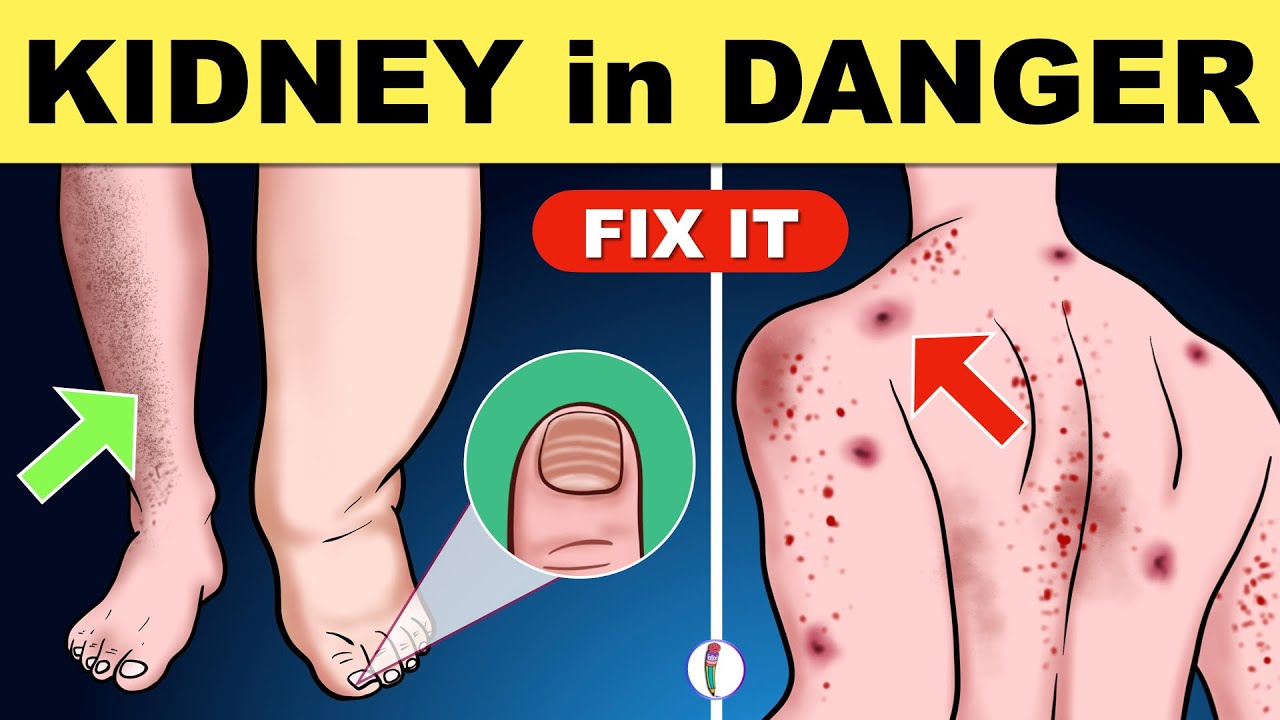
9. Swollen Feet and Ankles
Kidneys play a major role in regulating fluid balance. Fluid retention may cause swelling in the feet, ankles, or lower legs.
10. Muscle Cramps
Electrolyte imbalances associated with kidney problems can contribute to muscle cramps and discomfort.
11. Poor Appetite
A decrease in appetite is a common symptom reported by people with declining kidney function.
12. Nausea
The accumulation of waste products in the body may sometimes trigger nausea.
13. Vomiting

More advanced kidney problems may contribute to episodes of vomiting in some individuals.
14. Unexplained Weight Loss
Loss of appetite combined with chronic illness can sometimes lead to unintended weight loss.
15. Persistent Bad Breath
Waste accumulation in the bloodstream may create a metallic taste in the mouth or cause unpleasant breath odor.
16. Shortness of Breath
Kidney disease may contribute to fluid buildup or anemia, both of which can affect breathing.
17. High Blood Pressure
The kidneys and blood pressure are closely connected. High blood pressure can both contribute to and result from kidney disease.
18. Chest Discomfort
Fluid accumulation around the heart or lungs may occasionally lead to chest discomfort and requires immediate medical evaluation.
19. Back Pain
Pain near the kidneys, particularly in the lower back or side, may sometimes be associated with kidney conditions.
20. Difficulty Urinating
Changes in urine flow, discomfort, or difficulty emptying the bladder should not be ignored.
21. Swollen Hands
Fluid retention can also affect the hands and fingers, making rings feel tighter than usual.
22. Persistent Weakness
Ongoing weakness that doesn't improve with rest may indicate an underlying medical condition, including kidney-related problems.
23. General Feeling of Being Unwell
Many people with kidney disease report a vague sense that something simply doesn't feel right, even before more obvious symptoms appear.
When Should You See a Doctor?
While these symptoms can be associated with kidney problems, they can also result from many other medical conditions.
You should seek medical attention if you experience:
🚨 Blood in your urine
🚨 Significant swelling
🚨 Persistent fatigue
🚨 Changes in urination
🚨 Shortness of breath
🚨 Severe or worsening symptoms
Early testing can often identify kidney problems before serious complications develop.
How to Protect Your Kidneys
Experts recommend several habits that may support kidney health:
💧 Stay adequately hydrated
🥗 Eat a balanced diet
🏃 Stay physically active
🚭 Avoid smoking
🩺 Manage blood pressure and blood sugar
💊 Use medications responsibly
🧂 Limit excessive sodium intake
Regular health checkups can also help identify kidney issues before symptoms become severe.
The Bottom Line
Your kidneys perform vital functions every day, but kidney disease often develops quietly. Paying attention to changes in your body and seeking medical advice when symptoms arise may help protect your long-term health.
While experiencing one or more of these symptoms does not necessarily mean you have kidney disease, persistent or concerning changes should never be ignored.
Sometimes your body sends warning signals long before a serious problem develops—and listening to those signals can make all the difference.