Heart problems don't always begin with dramatic chest pain or an obvious medical emergency. Sometimes, the body sends subtle warning signals that can be easy to dismiss as stress, aging, poor sleep, or simply being out of shape.
That is why understanding possible heart-related symptoms matters.
Heart disease is a broad term that includes conditions affecting the heart muscle, coronary arteries, heart valves, rhythm, and other parts of the cardiovascular system. Symptoms can vary considerably from one person to another, and some people may have few or no noticeable symptoms until a serious problem develops.
The following five signs do not automatically mean you have a heart condition, but they are worth taking seriously - especially when they are new, persistent, worsening, or occurring together.
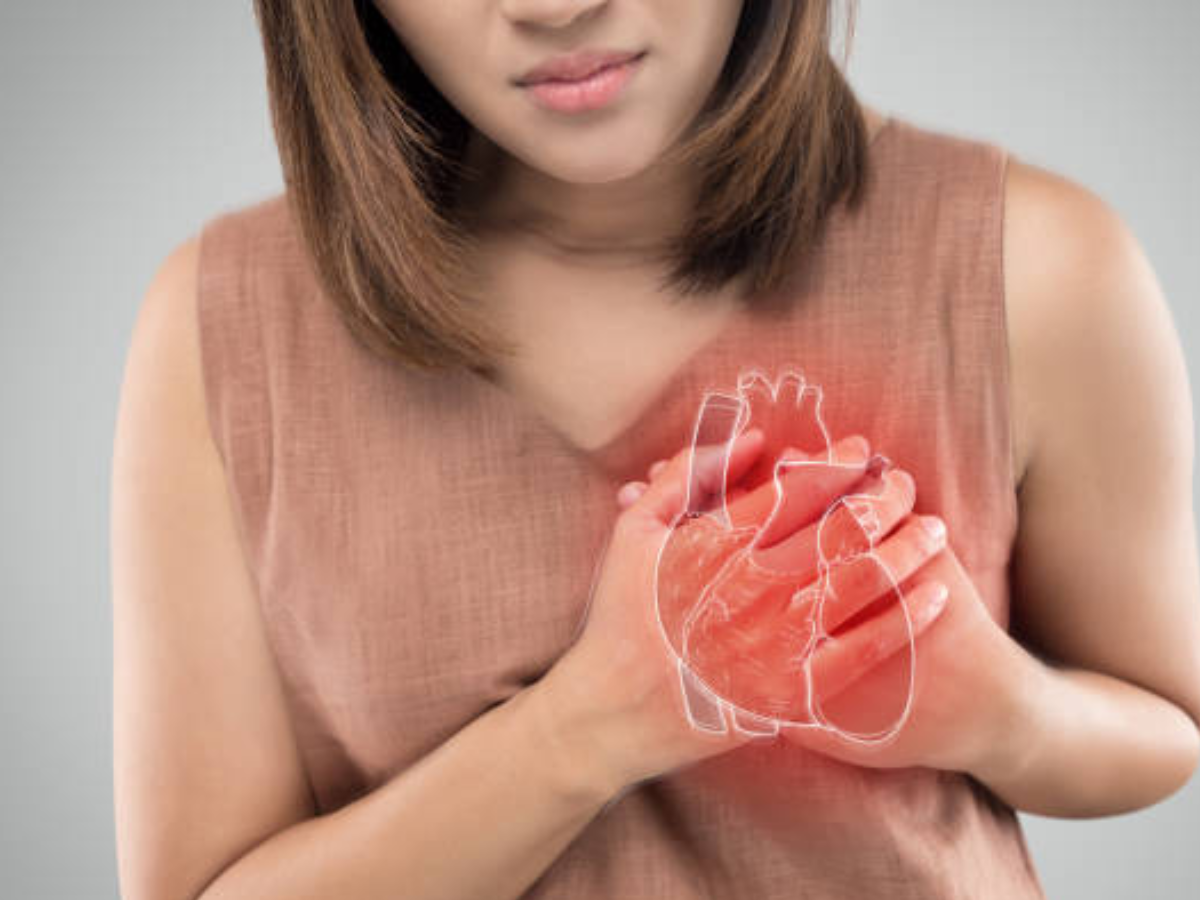
1. Chest Pressure, Tightness, or Discomfort
Chest discomfort is one of the symptoms most commonly associated with heart problems, but it doesn't always feel like sharp pain.
Some people describe it as:
-
Pressure
-
Tightness
-
Squeezing
-
Heaviness
-
Burning
-
Fullness
-
An uncomfortable sensation in the center of the chest
Heart-related discomfort can sometimes appear during physical activity or emotional stress and improve with rest. However, symptoms can vary, and not every person experiences the classic pattern.
It's also important to remember that chest discomfort has many possible causes, including digestive problems, muscle strain, anxiety, and lung conditions.
Still, new or unexplained chest pressure should not simply be ignored.
When chest discomfort is an emergency
If chest discomfort is severe, persistent, or accompanied by symptoms such as shortness of breath, sweating, nausea, faintness, or pain spreading to the arm, shoulder, back, neck, or jaw, seek emergency medical care immediately.
Don't wait to see whether it disappears on its own.
2. Unusual Shortness of Breath
Getting out of breath after intense exercise can be completely normal.
But becoming unusually breathless during activities that previously felt easy may deserve attention.
For example, you might notice that:
-
Walking up a familiar flight of stairs suddenly feels much harder
-
You become breathless while doing ordinary household tasks
-
You need to stop more frequently while walking
-
You feel short of breath when lying down
-
You wake during the night feeling unable to breathe
Shortness of breath can occur with many conditions, including respiratory problems, anemia, infections, anxiety, and reduced fitness.
It can also occur with certain heart conditions.
The important clue is often a change from your normal level of functioning.
If an activity that you routinely perform suddenly becomes difficult, don't automatically assume it's simply part of getting older.
A healthcare professional can help determine whether the cause is cardiovascular, respiratory, metabolic, or something else.
3. Unusual Fatigue or a Sudden Drop in Exercise Tolerance
Everyone gets tired.
A demanding day, poor sleep, emotional stress, or a busy schedule can leave you exhausted.
But unexplained fatigue that persists or represents a noticeable change in your normal energy level deserves attention.
Some people with cardiovascular problems notice that they can no longer perform activities they previously handled comfortably.
You might find yourself thinking:
"Why does everything feel harder lately?"
Perhaps your usual walk now leaves you exhausted, or routine chores require several breaks.
Fatigue alone doesn't diagnose heart disease. In fact, there are countless potential explanations.
However, when unusual fatigue occurs alongside shortness of breath, chest discomfort, dizziness, swelling, or reduced exercise tolerance, it's particularly important to discuss it with a healthcare professional.
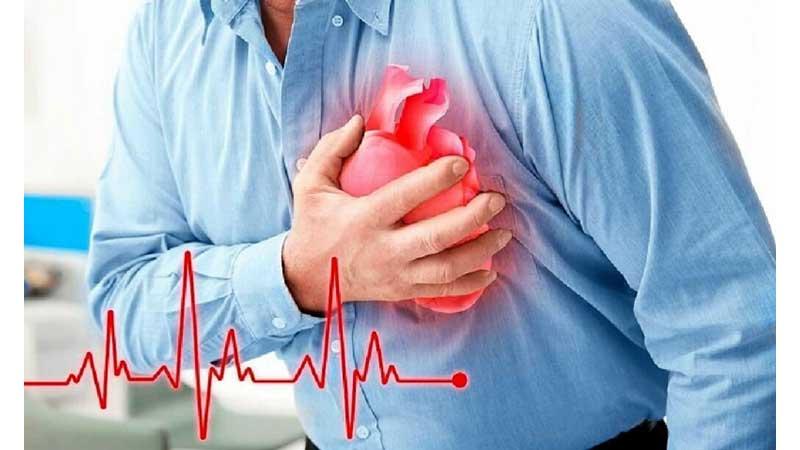
4. Swelling in the Legs, Ankles, or Feet
Swollen ankles can happen for relatively harmless reasons.
Standing for long periods, sitting during travel, hot weather, certain medications, and other factors can cause temporary fluid accumulation.
But persistent or unexplained swelling can sometimes indicate that the body is retaining excess fluid.
Certain heart conditions can affect the heart's ability to circulate blood efficiently. This may contribute to fluid accumulation, particularly in the lower legs and feet.
You may notice:
-
Socks leaving deeper-than-usual marks
-
Shoes feeling tighter by the evening
-
Swelling around the ankles
-
Legs feeling unusually heavy
-
Skin appearing stretched or shiny
Again, swelling isn't automatically a sign of heart disease.
Kidney problems, liver disease, venous insufficiency, medications, and other conditions can also cause edema.
That's why persistent swelling deserves proper evaluation rather than self-diagnosis.
5. Dizziness, Fainting, or a Racing Heart
Your heart needs to maintain an adequate blood supply to the brain and other organs.
If the heart rhythm becomes abnormal or the cardiovascular system isn't functioning properly, some people may experience dizziness, lightheadedness, fainting, or palpitations.
Palpitations may feel like:
-
Your heart is racing
-
Your heart is pounding
-
Your heartbeat is fluttering
-
Your heart seems to skip a beat
-
Your heartbeat suddenly becomes irregular
Occasional palpitations can occur in healthy people, particularly after caffeine, stress, exercise, or lack of sleep.
But recurrent episodes, especially those associated with dizziness, chest discomfort, shortness of breath, or fainting, should be medically evaluated.
Fainting deserves particular attention
A sudden loss of consciousness can have many causes, but fainting during exercise or without an obvious explanation can sometimes be associated with a cardiac problem.
If you've fainted unexpectedly, speak with a healthcare professional promptly.
Why These Symptoms Are Easy to Miss
One reason heart problems can be overlooked is that symptoms aren't always dramatic.
A person may gradually become less active because everyday activities feel more tiring.
They may blame shortness of breath on age.
They may assume swollen ankles are simply caused by standing all day.
They may dismiss occasional palpitations as stress.
Individually, these symptoms can have many explanations.
But a new pattern is important.
Your body has its own baseline. If something has noticeably changed, particularly if the change persists or gets worse, it's worth finding out why.
Women May Experience Heart Symptoms Differently
Heart disease doesn't always present identically in men and women.
Women can experience classic chest discomfort, but they may also experience symptoms such as:
-
Unusual fatigue
-
Shortness of breath
-
Nausea
-
Back or jaw discomfort
-
Dizziness
-
Weakness
-
Indigestion-like discomfort
These symptoms can be mistaken for other conditions.
This doesn't mean every episode of fatigue or nausea is a cardiac warning.
It means that context matters.
A new combination of symptoms—especially when accompanied by chest discomfort or breathing difficulty—should be taken seriously.
Don't Wait for "Classic" Chest Pain
A common misconception is that a serious heart problem must produce crushing chest pain.
That's not always the case.
Some cardiovascular emergencies can present with less obvious symptoms, and some people experience discomfort in areas such as the back, shoulder, neck, arm, or jaw.
Others may primarily experience shortness of breath, sweating, nausea, weakness, or lightheadedness.
That's why it's better to pay attention to the overall pattern of symptoms rather than waiting for one textbook symptom to appear.
When Should You Seek Emergency Care?
Some symptoms require immediate attention.
Seek emergency medical help if you experience symptoms such as:
Persistent or severe chest pressure or discomfort, particularly if it spreads to the arm, back, neck, jaw, or shoulder.
Severe difficulty breathing, especially if it occurs suddenly or at rest.
Fainting or near-fainting accompanied by chest discomfort, breathing difficulty, or a rapid/irregular heartbeat.
Sudden severe weakness, sweating, nausea, or lightheadedness occurring with possible heart symptoms.
If you think you could be experiencing a heart attack or another cardiovascular emergency, don't drive yourself to the hospital. Contact your local emergency medical service.
Your Risk Factors Matter Too
Symptoms are only one part of the picture.
Your overall cardiovascular risk can also be influenced by factors such as:
-
High blood pressure
-
High cholesterol
-
Diabetes
-
Smoking
-
Physical inactivity
-
Excess body weight
-
Family history of cardiovascular disease
-
Increasing age
-
Certain medical conditions
This is why routine health checks matter even when you feel perfectly healthy.
High blood pressure and high cholesterol, for example, can exist without obvious symptoms.
Knowing your numbers can help you and your healthcare professional identify potential risks before they become more serious.
Don't Try to Diagnose Yourself From One Symptom
It's tempting to search online after noticing something unusual.
But a symptom alone rarely provides a reliable diagnosis.
For example, fatigue could be related to sleep, anemia, thyroid problems, infection, medication, stress, or cardiovascular disease.
Likewise, shortness of breath can have cardiac, pulmonary, metabolic, or psychological causes.
The goal isn't to become frightened by every symptom.
The goal is to recognize when a symptom represents a meaningful change that deserves professional evaluation.
Simple Habits That Support Heart Health
While no lifestyle strategy can eliminate cardiovascular risk completely, several habits are consistently associated with better heart health.
Stay physically active
Regular activity can support cardiovascular fitness, blood pressure, blood sugar control, and overall health.
Eat a balanced diet
Emphasize vegetables, fruits, whole grains, legumes, nuts, fish, and other nutrient-dense foods while limiting excessive sodium, added sugars, and highly processed foods.
Don't smoke
Smoking is a major cardiovascular risk factor. Quitting can substantially benefit heart and blood-vessel health.
Monitor blood pressure and cholesterol
Knowing your numbers gives you a clearer picture of your cardiovascular risk.
Get adequate sleep
Consistently poor sleep can affect several factors associated with cardiovascular health.
Maintain regular medical care
Routine checkups can identify risk factors before symptoms develop.
Listen to Changes in Your Body
One of the most useful things you can do for your health is to understand what's normal for you.
If you've always been able to walk for 30 minutes comfortably and suddenly become breathless after 10 minutes, that's a meaningful change.
If you've never experienced palpitations and suddenly begin having repeated episodes, that's worth discussing.
If your ankles repeatedly swell without an obvious explanation, don't simply assume it's normal.
You don't need to panic.
You simply need to pay attention.
The Bottom Line
Heart conditions can sometimes develop gradually, and their warning signs aren't always obvious.
Chest pressure, unusual shortness of breath, unexplained fatigue, persistent swelling, and dizziness or abnormal heartbeats can have many possible causes, but they may also occur with cardiovascular problems.
The key is not to assume that every symptom means heart disease. Instead, look for new, persistent, worsening, or unexplained changes, especially when several symptoms appear together.
And when symptoms suggest a possible emergency, don't wait for them to become unbearable.
Your heart doesn't always shout when something is wrong. Sometimes, the warning is simply a change you notice in your everyday life. Paying attention and getting the right medical evaluation when needed - can make all the difference.