Your feet are probably not the first part of your body you think about when considering heart health.
Most people associate cardiovascular problems with chest pain, shortness of breath, high blood pressure, or an irregular heartbeat. Yet the health of your feet and legs can sometimes provide clues about how well blood is circulating through your body.
Because the arteries carry oxygen-rich blood from the heart to the tissues, problems affecting those arteries can sometimes become noticeable in the feet before a person realizes that something is wrong elsewhere.
One condition doctors may consider is peripheral artery disease (PAD), in which narrowed or blocked arteries reduce blood flow to the limbs, most commonly the legs.
However, foot changes are not specific to heart or artery disease. Diabetes, nerve problems, injuries, infections, kidney disease, vein problems, certain medications, and simple changes related to aging can produce similar symptoms.
So the goal isn't to look at your feet and assume you have heart disease.
It's to recognize new, persistent, or unusual changes that deserve attention.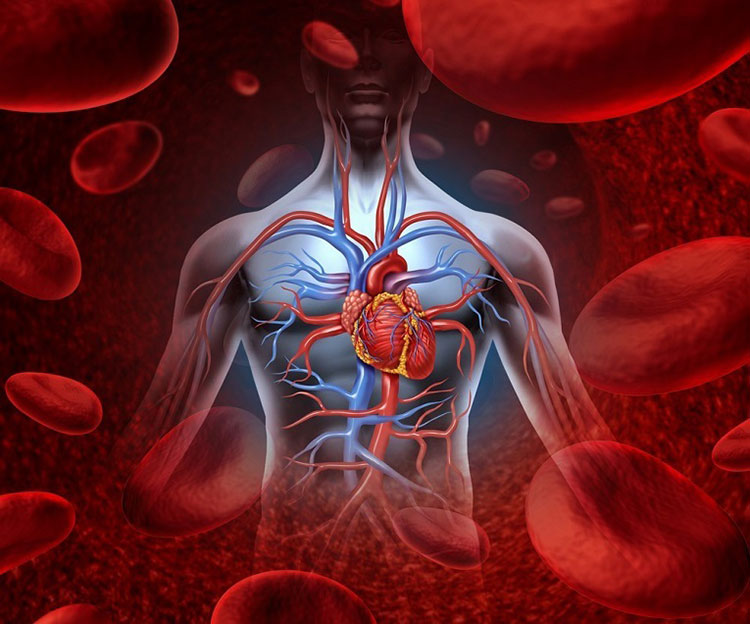
1. Feet That Feel Unusually Cold
Cold feet are common, especially in winter or in air-conditioned environments.
But if one or both feet consistently feel much colder than they used to—particularly when the surrounding environment is warm—it may be worth discussing with a healthcare professional.
Reduced arterial blood flow can contribute to a sensation of coldness in the feet or lower legs.
In PAD, narrowed arteries can make it harder for sufficient blood to reach the tissues.
The important clue is often the change from your normal.
If your feet have always been cold, that isn't necessarily a sign of a circulation problem.
But if one foot suddenly becomes noticeably colder than the other, especially with pain, numbness, or a change in color, urgent medical evaluation may be necessary.
2. A Change in Skin Color
Blood-flow problems can sometimes affect the color of the skin.
A foot may appear unusually pale, bluish, or reddish compared with its usual appearance.
In some circulation problems, the skin may look pale when the leg is elevated and become reddish when it is lowered.
Other conditions can cause similar changes, including temperature exposure, vein disorders, inflammation, infection, or skin disease.
A sudden and dramatic color change is more concerning than a long-standing cosmetic difference.
If a foot becomes blue, gray, extremely pale, or otherwise looks significantly different from the other foot—particularly when accompanied by pain, numbness, or weakness—seek urgent medical attention.
3. Persistent Swelling in the Feet or Ankles
Swollen ankles are extremely common.
They can happen after standing for long periods, during hot weather, after salty meals, or because of certain medications.
But persistent or unexplained swelling can sometimes be associated with problems affecting the heart, kidneys, veins, or lymphatic system.
Heart failure, for example, can cause the body to retain fluid, leading to swelling in the lower legs and feet.
That doesn't mean swollen ankles automatically indicate heart disease.
A person with a sedentary lifestyle or venous insufficiency may experience significant leg swelling without having heart failure.
Still, swelling that is new, persistent, progressively worsening, or accompanied by shortness of breath should be medically evaluated.
4. Foot Pain When Walking That Improves With Rest
This is one of the more classic symptoms associated with peripheral artery disease.
A person may develop aching, cramping, or heaviness in the calf, thigh, or buttock after walking or climbing stairs.
After stopping and resting, the discomfort improves.
This pattern is called intermittent claudication.
The underlying problem is that narrowed arteries may not deliver enough blood and oxygen to working muscles during exercise.
Once the activity stops, the muscles require less oxygen, so the pain can subside.
It can be easy to dismiss this as simply getting older or being out of shape.
But recurring pain that reliably appears during activity and improves with rest deserves medical assessment, particularly in people with diabetes, high blood pressure, high cholesterol, or a history of smoking.
5. Slow-Healing Cuts or Sores
A minor cut usually heals without much thought.
But wounds on the foot that take unusually long to heal can be a warning sign.
Healthy tissues need adequate blood flow to deliver oxygen, nutrients, and immune cells needed for healing.
Poor arterial circulation can interfere with that process.
Diabetes can make the situation more complicated because high blood glucose can damage nerves and blood vessels.
That's why people with diabetes are often advised to inspect their feet regularly.
A small blister or cut that becomes increasingly red, swollen, painful, or produces drainage needs prompt medical attention.
Don't wait for a foot wound to become severe before having it evaluated.
6. Numbness or Tingling in the Feet
Numbness and tingling are not specific signs of poor circulation.
In fact, nerve problems are a very common cause.
Diabetes, peripheral neuropathy, certain vitamin deficiencies, spinal problems, alcohol use, and medications can all affect sensation in the feet.
However, circulation problems can also contribute to altered sensations.
Sudden numbness, particularly when it occurs with coldness, severe pain, weakness, or a major color change, requires more urgent attention.
If numbness develops gradually and persists, it is still worth discussing with a healthcare professional.
A clinician can help determine whether the problem is more likely related to nerves, blood vessels, or another condition.
7. Weak or Absent Foot Pulses
This isn't something most people can reliably assess themselves.
Healthcare professionals may check the pulses in the feet during an examination to evaluate arterial circulation.
A weaker pulse on one side or difficulty detecting a pulse can be a clue that blood flow is reduced.
Doctors may also compare the pulses in the legs and feet with pulses elsewhere in the body.
If reduced circulation is suspected, further testing may include an ankle-brachial index (ABI), which compares blood pressure measured at the ankle with blood pressure measured in the arm.
The test is simple and noninvasive and can help identify PAD.
8. Changes in Toenails or Hair Growth
This sign is much less specific, but some people with chronically reduced circulation may notice changes such as slower hair growth on the lower legs or changes in toenail growth.
Poor blood supply can affect tissues that require oxygen and nutrients, including skin, hair follicles, and nails.
But many other factors can cause these changes.
Aging, nutritional deficiencies, fungal nail infections, hormonal changes, and dermatological conditions can all alter the appearance or growth rate of nails and hair.
So these changes should not be interpreted on their own as proof of artery disease.
They become more meaningful when they occur together with other circulation-related symptoms.
9. Shiny, Thin, or Unusually Dry Skin
Long-standing circulation problems can sometimes produce changes in the skin.
The skin may appear unusually smooth or shiny.
Hair growth can decrease.
The affected foot may look different from the opposite foot.
Again, these changes are not diagnostic.
Dry skin is extremely common and can result from weather, bathing habits, eczema, age, or medications.
But a combination of persistent skin changes, coldness, pain during walking, poor wound healing, and altered color may justify evaluation for vascular disease.
10. Severe Pain in a Foot or Leg Even When You're Resting
Occasional foot pain after a long day isn't unusual.
But severe, persistent pain that occurs even when you're resting can be much more concerning, particularly in someone with known circulation problems.
In advanced PAD, inadequate blood flow can cause rest pain, often affecting the feet and becoming worse at night or when the legs are elevated.
Some people find temporary relief by placing the foot in a dependent position.
This can be a sign of severe arterial insufficiency and requires prompt medical evaluation.
A foot that is suddenly extremely painful, cold, pale or blue, numb, or weak can represent an acute circulation emergency.
Why Heart Health and Leg Arteries Are Connected
The connection between the feet and the heart becomes clearer when you think about how the circulatory system works.
The heart pumps blood through arteries that extend throughout the body.
Atherosclerosis—the buildup of plaque inside arteries—can affect multiple vascular beds.
If plaque contributes to narrowed arteries in the legs, a person can develop PAD.
And having PAD can be a marker of systemic atherosclerotic cardiovascular disease, meaning the same underlying process may also be affecting arteries that supply the heart or brain.
This doesn't mean PAD automatically means a person will have a heart attack.
It means the finding deserves attention because it can signal elevated cardiovascular risk.
Foot Problems Are Especially Important for People With Diabetes
Diabetes deserves special mention.
Over time, elevated blood glucose can damage both nerves and blood vessels.
Nerve damage can make it harder to feel an injury.
Poor circulation can make healing more difficult.
Together, these problems can make seemingly minor foot injuries much more serious.
People with diabetes should therefore develop a habit of checking their feet regularly.
Look for:
Cuts.
Blisters.
Redness.
Swelling.
Skin cracks.
Color changes.
New sores.
Changes in temperature.
Don't assume a wound is harmless simply because it doesn't hurt.
Neuropathy can reduce pain sensation.
Smoking Can Affect Circulation
Smoking is a major risk factor for vascular disease.
It damages blood vessels and contributes to atherosclerosis.
People who smoke have an increased risk of PAD and cardiovascular disease.
For someone who already has circulation symptoms, quitting smoking is one of the most important lifestyle changes they can make.
Stopping isn't always easy, but evidence-based smoking-cessation support can significantly improve the chances of success.
High Blood Pressure and Cholesterol Matter Too
High blood pressure can damage artery walls over time.
High LDL cholesterol can contribute to plaque formation.
When these risk factors occur together with diabetes and smoking, the overall risk of vascular disease can rise substantially.
That's why circulation problems aren't usually addressed by treating the feet alone.
A doctor may also assess:
Blood pressure.
Cholesterol.
Blood glucose.
Kidney function.
Smoking history.
Physical activity.
Family history.
Other cardiovascular risk factors.
The objective is to understand the health of the entire vascular system.
Why You Shouldn't Diagnose Yourself From Foot Symptoms
A major problem with online health content is that one symptom is often treated as proof of one disease.
Real medicine is more complicated.
Cold feet can come from the weather.
Swollen ankles can come from prolonged standing.
Numbness can come from neuropathy.
Nail changes can come from a fungal infection.
Foot pain can come from arthritis or an injury.
And skin color can change for many reasons.
That is why doctors look at patterns, risk factors, physical examination findings, and appropriate tests rather than relying on one symptom.
When Foot Changes Need Urgent Attention
Some foot or leg symptoms are more than routine concerns.
Seek urgent medical attention if a foot or leg suddenly becomes:
Very cold
Pale, blue, or gray
Extremely painful
Numb
Weak
or if you suddenly lose the ability to move it normally.
This could indicate a serious interruption of blood flow that requires immediate treatment.
A painful, swollen leg can also sometimes indicate a deep vein thrombosis (DVT), which involves a clot in a vein rather than an artery. If leg swelling or pain occurs together with sudden shortness of breath or chest pain, seek emergency care.
How Doctors Check Circulation
When circulation problems are suspected, doctors have several tools available.
They may first examine the feet and legs, compare skin temperature and color, and check pulses.
They may then perform an ankle-brachial index test.
Depending on the findings, additional tests may include:
Doppler ultrasound
CT angiography
MR angiography
These tests can help identify narrowed, blocked, or otherwise abnormal blood vessels.
The appropriate test depends on the symptoms and the suspected condition.
What Can You Do to Protect Your Circulation?
You don't need to wait for foot symptoms before taking vascular health seriously.
Several habits can reduce cardiovascular risk and support circulation.
Regular physical activity is important.
Walking is particularly useful for many people.
Strength training can also help maintain muscle and metabolic health.
A diet rich in vegetables, fruits, whole grains, legumes, nuts, seeds, and other minimally processed foods can support cardiovascular health.
Managing blood pressure, cholesterol, and blood glucose is equally important.
And avoiding tobacco is one of the strongest steps you can take.
Movement Matters
Long periods of sitting can contribute to swelling and reduced lower-limb movement.
If your job requires sitting for hours, stand up regularly and move around.
Walking breaks can be simple but useful.
For someone already diagnosed with PAD, a healthcare professional may recommend a structured walking program as part of treatment.
The key is to choose activity appropriate to your health status and not push through severe symptoms without medical guidance.
Don't Ignore a Small Wound
One of the most practical foot-health habits is surprisingly simple:
Look at your feet.
People don't always notice changes because they rarely inspect the bottoms of their feet, between their toes, or around their nails.
A quick daily check can reveal a blister, cut, pressure point, or change in color before it becomes more serious.
This is particularly important for people with diabetes or reduced sensation.
If you notice a wound that isn't healing normally, get it checked.
Your Feet Can Offer Clues—But They Aren't a Diagnosis
The feet can sometimes reflect what's happening with circulation, but they are not a crystal ball for heart disease.
The presence of one symptom doesn't tell you whether you have blocked arteries.
The absence of symptoms doesn't guarantee that your cardiovascular system is completely healthy either.
Some forms of vascular disease can remain silent until they become more advanced.
That's why routine health checks remain important, especially if you have known cardiovascular risk factors.
The Bottom Line
Your feet can sometimes provide clues about the health of your circulation.
Persistent coldness, unusual color changes, unexplained swelling, pain with walking, slow-healing wounds, numbness, changes in skin or nails, and severe pain at rest are among the changes that may warrant medical attention.
But none of these signs proves that you have heart disease or peripheral artery disease.
The same symptoms can result from many other conditions.
What matters most is the pattern and the change from your normal, especially when several symptoms occur together or when you already have risk factors such as diabetes, smoking, high blood pressure, or high cholesterol.
And remember the emergency signs: a foot or leg that suddenly becomes cold, pale or blue, severely painful, numb, or weak needs urgent medical evaluation.
Your feet may be far from your heart, but they are part of the same circulatory system.
Sometimes, paying attention to a small change at the bottom of your body can be the first step toward taking better care of your health as a whole.