Waking Up With These Morning Signs? Your Kidneys May Be Asking for Attention… 👀 See More
Morning Signs That May Be Worth Paying Attention to for Your Kidney Health
Your morning routine can reveal more about your health than you might realize. While waking up tired, thirsty, or needing to use the bathroom can be completely normal, persistent changes in the morning may sometimes be worth discussing with a healthcare professional—especially when several signs appear together.
Your kidneys work around the clock to filter waste and excess fluid from your blood, help regulate fluid and electrolyte balance, and contribute to blood pressure control. Because kidney problems can develop gradually, some people may not notice obvious symptoms in the early stages.
Here are several morning signs worth paying attention to.

1. Your urine looks unusually foamy
Seeing a few bubbles in your urine occasionally is usually not a reason to panic. It can happen when urine hits the toilet water quickly or when you are dehydrated.
However, persistent or unusually frothy urine—especially if it keeps happening—may deserve attention. In some cases, protein leaking into the urine can cause increased foaming and may be associated with kidney problems.
If the change continues, a simple urine test can help determine whether protein or other abnormalities are present.
2. Your urine looks unusually dark
Urine is often darker first thing in the morning because you have gone several hours without drinking water.
But if your urine repeatedly appears very dark despite adequate hydration, or if you notice a significant and persistent change in color, it is worth paying attention.
Urine color can be affected by dehydration, medications, supplements, foods, and certain medical conditions, so color alone cannot tell you whether your kidneys are healthy.
3. You wake up with swelling or puffiness
Do your eyelids or face sometimes look puffy when you first wake up?
Occasional morning puffiness can have harmless causes, including sleeping position, salty foods, allergies, or fluid retention.
But persistent swelling around the eyes, hands, ankles, or feet can sometimes occur when the body is retaining excess fluid. Kidney problems are one possible cause, although heart, liver, venous, and other conditions can also contribute.
Pay particular attention if swelling is new, persistent, or becoming more noticeable over time.

4. You wake up unusually thirsty
Feeling thirsty after several hours of sleep is normal, particularly if your bedroom is warm or you did not drink enough fluids the previous day.
However, persistent excessive thirst, especially when accompanied by frequent urination, dry mouth, fatigue, or unexplained weight changes, should not automatically be blamed on dehydration.
A number of conditions—including diabetes and certain medications—can cause excessive thirst and urination. A healthcare professional can help identify the underlying reason.
5. You need to urinate much more often than usual
Waking once to urinate can happen for many reasons, particularly as people get older.
But a noticeable and persistent change in urination patterns deserves attention. This may include waking repeatedly during the night, producing much more or much less urine than usual, or experiencing an urgent need to urinate.
Kidney conditions can affect urination, but urinary tract problems, prostate conditions, diabetes, medications, and drinking habits can also play a role.
6. Your urine appears unusually bloody or cola-colored
Blood in the urine should never simply be ignored.
Urine that looks pink, red, brown, or cola-colored can have several possible causes, ranging from urinary tract problems and kidney stones to infections or kidney disease.
Sometimes blood is present even when you cannot see it, which is why urine testing can be important.
If you notice visible blood in your urine, contact a healthcare professional rather than trying to determine the cause yourself.
7. You wake up feeling unusually tired
Everyone has mornings when they feel exhausted.
But ongoing or unexplained fatigue may be worth investigating, particularly when it occurs alongside other changes such as swelling, altered urination, nausea, itching, or changes in appetite.
Kidney disease can contribute to fatigue, particularly as kidney function declines, but fatigue is extremely nonspecific and can also result from poor sleep, anemia, stress, thyroid problems, nutritional deficiencies, infections, and many other conditions.
8. You wake up with nausea or a poor appetite
Occasional morning nausea can be caused by many things, including digestive problems, medications, alcohol, pregnancy, or simply an empty stomach.
Persistent nausea, vomiting, or loss of appetite, however, deserves medical attention. These symptoms can occur in advanced kidney disease, although they are much more commonly caused by other conditions.
9. Your blood pressure is repeatedly high
High blood pressure often produces no noticeable symptoms, making it particularly important not to rely on how you feel in the morning.
The relationship between blood pressure and kidney health goes both ways: high blood pressure can damage the kidneys over time, while kidney disease can contribute to high blood pressure.
If you regularly measure elevated blood pressure, discuss it with a healthcare professional.
One Morning Sign Doesn't Automatically Mean Kidney Disease
This is important: none of these signs, by itself, proves that you have a kidney problem.
Many everyday factors can produce temporary changes. Dehydration can make urine darker. A salty meal can cause temporary puffiness. Poor sleep can leave you exhausted. Drinking a lot of water before bed can increase nighttime urination.
The bigger concern is a persistent or unexplained change, particularly when several symptoms occur together.
When Should You Get Checked?
Consider speaking with a healthcare professional if you repeatedly notice:
- Persistent foamy urine
- Blood or unusual discoloration in your urine
- New or worsening swelling
- Significant changes in how often you urinate
- Persistent fatigue, nausea, or loss of appetite
- Repeatedly high blood pressure
- Multiple symptoms occurring at the same time
Kidney health is commonly evaluated with relatively straightforward tests, including blood tests that assess kidney function and urine tests that can detect protein, blood, or other abnormalities.
Don't Wait for Symptoms to Become Severe
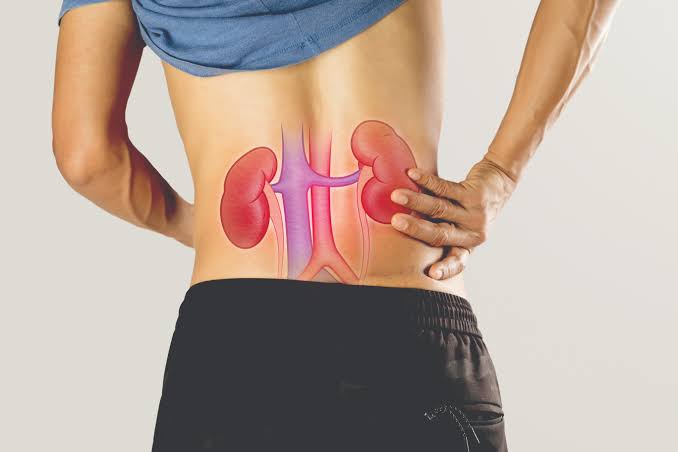
One of the challenges with kidney disease is that early kidney problems may cause few or no obvious symptoms. That's why routine health checks can be important, especially for people with risk factors such as diabetes, high blood pressure, cardiovascular disease, a family history of kidney disease, or previous kidney problems.
Your morning routine cannot diagnose kidney disease—but it can sometimes provide clues that something has changed.
So tomorrow morning, don't just notice how you feel. Pay attention to your urine, swelling, thirst, urination patterns, and overall energy level.
A small change that keeps happening may be worth checking rather than ignoring.