A stroke can happen suddenly, sometimes with little or no warning.
One minute, a person may be talking normally, walking around the house, or going about an ordinary day. Moments later, they may suddenly be unable to speak clearly, move one side of the body, or see properly.
Because a stroke can cause permanent brain injury within a short period of time, recognizing the warning signs and seeking emergency medical care immediately can make a critical difference.
Some people also experience temporary neurological symptoms before a major stroke. These episodes may be caused by a transient ischemic attack (TIA), sometimes called a “mini-stroke.” A TIA is an emergency warning and requires urgent medical evaluation even if the symptoms disappear.
The key is not to wait and see whether the symptoms get better.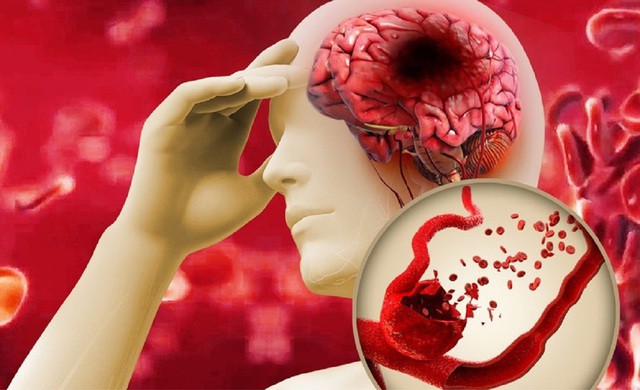
What Happens During a Stroke?
A stroke occurs when blood flow to part of the brain is interrupted or when a blood vessel in the brain ruptures and causes bleeding.
There are two major types.
An ischemic stroke happens when a blood clot or another obstruction blocks blood flow to part of the brain.
A hemorrhagic stroke occurs when a blood vessel breaks and bleeding develops in or around the brain.
Both can damage brain tissue.
Because different parts of the brain control different functions, the symptoms can vary depending on which area is affected.
That's why recognizing sudden changes in movement, speech, vision, coordination, or consciousness is so important.
1. Sudden Weakness or Numbness on One Side
One of the classic warning signs of stroke is sudden weakness, numbness, or loss of sensation affecting the face, arm, or leg—particularly on one side of the body.
A person may suddenly notice that one arm feels heavy.
They may struggle to lift both arms equally.
One side of the face may droop.
They may have difficulty walking because one leg suddenly feels weak.
The change can be subtle or dramatic.
Even if the weakness seems to improve after a few minutes, it should not simply be dismissed.
Temporary symptoms can be a sign of a TIA and may indicate an increased risk of a future stroke.
2. Sudden Difficulty Speaking or Understanding
A person having a stroke may suddenly struggle to speak.
Their words may become slurred.
They may use the wrong words.
They may speak in a way that doesn't make sense.
Sometimes the person knows exactly what they want to say but cannot get the words out.
Other people may suddenly have trouble understanding what someone else is saying.
This can be particularly alarming when it develops without explanation.
Speech problems can also occur for other reasons, but a sudden new change in speech is an emergency until proven otherwise.
3. A Sudden Drooping Face
Ask the person to smile.
Does one side of the face appear lower than the other?
Is one side of the mouth drooping?
Does their smile suddenly look uneven?
Facial weakness is a common stroke sign, particularly when it occurs together with arm weakness or speech difficulties.
Don't assume that a person is simply tired or experiencing a temporary facial muscle problem.
A sudden facial droop should be treated seriously.
4. Sudden Trouble Walking or Maintaining Balance
A stroke can affect areas of the brain responsible for coordination and balance.
A person may suddenly become dizzy.
They may stumble or feel as though the floor is moving.
They may have difficulty standing.
Their walking may suddenly become unsteady even though they were perfectly stable moments earlier.
Not every episode of dizziness is related to stroke. Inner-ear problems, low blood pressure, dehydration, medication effects, and other conditions can produce dizziness too.
But sudden severe balance problems, particularly when accompanied by other neurological symptoms, warrant emergency evaluation.
5. A Sudden, Severe Headache
A sudden, severe headache—especially one that develops rapidly and feels dramatically different from previous headaches—can be a warning sign of a serious neurological problem.
This is particularly concerning when the headache occurs with vomiting, loss of consciousness, weakness, confusion, visual changes, or difficulty speaking.
A very sudden and severe headache can be associated with bleeding in or around the brain.
Not every severe headache is a stroke, and migraine can also cause dramatic symptoms.
But a new “worst headache” or thunderclap-like headache should never be casually dismissed.
6. Sudden Changes in Vision
Stroke can affect the areas of the brain responsible for vision.
A person may suddenly develop:
Blurred vision.
Double vision.
Loss of vision in one eye.
Loss of vision on one side of the visual field.
Difficulty seeing objects that were previously obvious.
Sometimes the change is brief.
That does not make it harmless.
A temporary loss of vision or visual disturbance may be a sign of a TIA or another vascular problem requiring urgent investigation.
If vision changes occur suddenly and without an obvious explanation, seek emergency medical attention.
7. Sudden Confusion
Someone experiencing a stroke may suddenly become confused.
They might not know where they are.
They may struggle to answer simple questions.
They may behave unusually.
They might appear awake but have difficulty understanding what's happening around them.
Sudden confusion can occur with many medical emergencies, including stroke, infection, low blood sugar, seizures, medication effects, and other problems.
The sudden onset is particularly important.
A person who was functioning normally and then abruptly becomes confused needs immediate evaluation.
8. Sudden Difficulty Swallowing
Swallowing can also be affected by a stroke.
A person may suddenly cough while drinking.
Food may seem to become difficult to swallow.
They may have trouble controlling saliva.
Their voice may sound different after swallowing.
Difficulty swallowing can be dangerous because food or liquid can enter the lungs rather than the stomach.
When swallowing problems appear suddenly alongside other neurological changes, stroke should be considered and emergency medical assessment is necessary.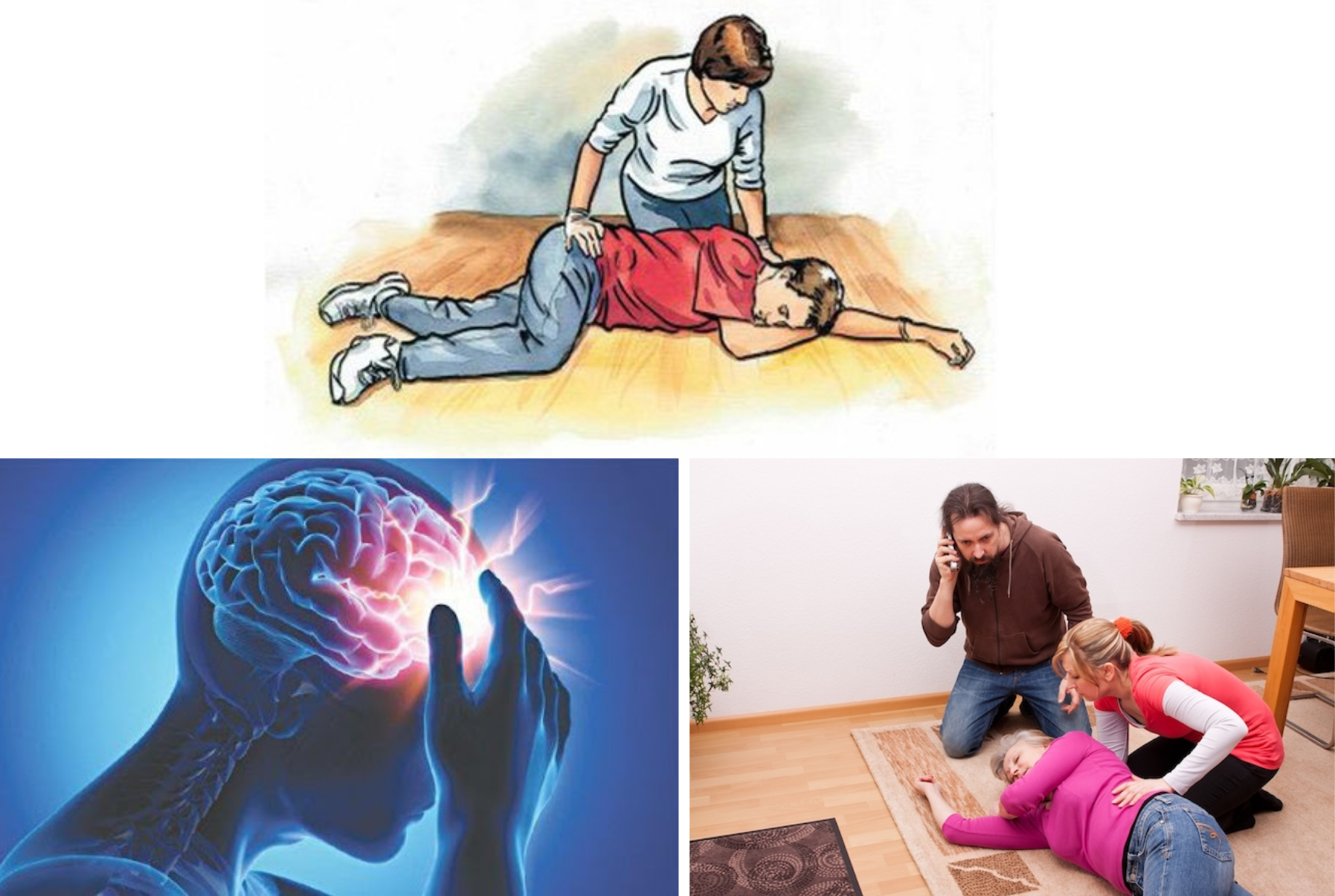
9. Sudden Loss of Coordination
A person may suddenly have trouble performing ordinary movements.
They might drop objects.
They may struggle to use one hand.
Their movements may become clumsy or uncoordinated.
They might have difficulty reaching for something or completing a task they normally perform without thinking.
Again, the important feature is the sudden change from the person's normal abilities.
A gradual decline in coordination can have many causes.
A sudden major change can be a medical emergency.
The FAST Method Can Help You Recognize Stroke
A simple way to remember some of the most important stroke warning signs is FAST:
F — Face: Ask the person to smile. Does one side droop?
A — Arms: Ask them to raise both arms. Does one arm drift downward or feel weak?
S — Speech: Ask them to repeat a simple sentence. Is their speech slurred, confused, or unusual?
T — Time: If any of these signs are present, call emergency medical services immediately.
FAST does not capture every possible stroke symptom, but it can help people recognize some of the most important ones quickly.
Don't Wait for All the Symptoms to Appear
A common mistake is thinking:
“It can't be a stroke because only one symptom is happening.”
That is dangerous.
A stroke does not have to produce every classic symptom.
One sudden neurological change may be enough to justify emergency evaluation.
For example, sudden trouble speaking alone can be a stroke.
So can sudden vision loss.
So can sudden weakness on one side.
Don't wait until several symptoms appear before acting.
A TIA Can Be a Serious Warning
Transient ischemic attacks can produce stroke-like symptoms that disappear within minutes or hours.
A person might suddenly experience weakness, numbness, speech difficulties, or vision loss and then feel completely normal again.
That can create a false sense of security.
“I'm fine now” does not necessarily mean the danger has passed.
A TIA can be a warning that a more serious stroke may occur in the near future.
Anyone experiencing sudden neurological symptoms that could represent a TIA should seek urgent medical assessment even if the symptoms have completely resolved.
Don't Drive Yourself to the Hospital
If stroke symptoms are occurring, calling emergency medical services is generally safer than having someone drive the person to the hospital.
Emergency medical personnel can begin assessment and care while transporting the patient.
They can also communicate with the receiving hospital, helping the medical team prepare for the person's arrival.
Time matters in stroke treatment.
Delaying care to arrange transportation can cost valuable minutes.
Note When the Symptoms Started
One detail can be extremely important to doctors:
When was the person last known to be normal?
Write down the time symptoms were first noticed.
If the exact onset is unknown, tell medical professionals when the person was last seen without symptoms.
This information can influence treatment decisions.
For example, some stroke treatments are highly time-sensitive.
Don't spend precious minutes trying to establish the exact diagnosis yourself.
Record the information and let emergency professionals take over.
Don't Give Food or Drink
A person experiencing a stroke may have difficulty swallowing.
Giving food, water, or medication by mouth can create a choking risk if their swallowing ability has been impaired.
It's safer to wait for medical guidance.
If the person is unconscious but breathing, follow emergency-dispatch instructions and place them in an appropriate recovery position if instructed and safe to do so.
If they are not breathing normally, emergency services should be contacted immediately and CPR should be started if appropriate and if you are trained to do so.
Don't Give Aspirin on Your Own
Aspirin is commonly associated with heart attacks and blood clots, but stroke is different.
Some strokes are caused by blood clots.
Others are caused by bleeding.
Giving aspirin during a stroke could potentially worsen bleeding in a hemorrhagic stroke.
For that reason, don't give aspirin to someone with suspected stroke unless a medical professional specifically instructs you to do so.
The priority is emergency evaluation.
Brain imaging is typically needed to determine the type of stroke before certain treatments are given.
Who Is at Higher Risk?
Stroke can happen to anyone, but certain factors increase risk.
These include:
High blood pressure.
Smoking.
Diabetes.
High cholesterol.
A history of cardiovascular disease.
Atrial fibrillation and certain other heart conditions.
Previous stroke or TIA.
Older age.
Family history.
Some lifestyle and medical factors can be modified.
Others cannot.
Knowing your personal risk profile can help you work with a healthcare professional on prevention.
High Blood Pressure Deserves Special Attention
High blood pressure is one of the most important modifiable risk factors for stroke.
The problem is that hypertension often causes no obvious symptoms.
A person can feel completely normal while their blood pressure is damaging blood vessels over time.
That is why regular blood-pressure checks can be important even when you feel healthy.
If your blood pressure is consistently elevated, discuss appropriate management with a healthcare professional.
Diabetes Can Also Increase Stroke Risk
Persistently elevated blood glucose can damage blood vessels and increase cardiovascular risk.
People with diabetes therefore have an increased risk of stroke.
Managing blood glucose, blood pressure, cholesterol, physical activity, and other risk factors can help reduce that risk.
Regular medical care is particularly important because diabetes-related vascular damage can develop gradually without obvious warning signs.
Smoking and Stroke Risk
Smoking damages blood vessels and contributes to cardiovascular disease.
It is a major modifiable risk factor for stroke.
Quitting can reduce health risks over time.
For people who smoke, professional support, nicotine-replacement therapies, medications, and behavioral strategies can make quitting more achievable.
Why Early Action Matters
The brain needs a constant supply of oxygen and nutrients.
When blood flow is interrupted, brain cells begin to suffer.
The longer the disruption continues, the greater the potential for permanent damage.
That is why doctors often emphasize the concept:
Time is brain.
Some ischemic strokes can be treated with clot-dissolving medication or mechanical clot removal in appropriate patients, but eligibility depends on factors such as timing, imaging results, stroke type, and individual medical circumstances.
Treatment options have advanced substantially, but they work best when people seek help quickly.
The Symptoms May Be Subtle
A stroke doesn't always look dramatic.
Sometimes the only sign is a slightly slurred sentence.
A weak hand.
A sudden inability to read.
A strange visual disturbance.
A brief episode of confusion.
A person may even insist that nothing is wrong.
That doesn't necessarily mean the situation is harmless.
If a sudden neurological change is unusual for that person, it deserves immediate attention.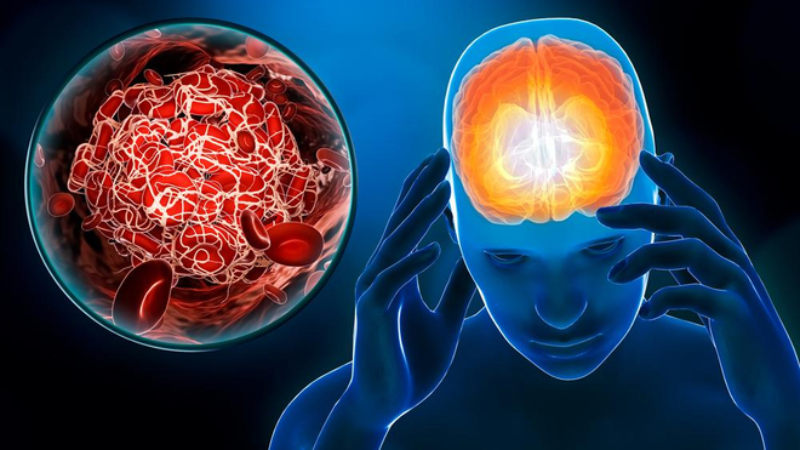
The Bottom Line
A stroke can happen without warning, but the body may reveal important signs when one is occurring.
Sudden facial drooping, weakness or numbness on one side, speech difficulty, confusion, vision changes, severe balance problems, swallowing difficulties, sudden coordination problems, or an abrupt severe headache can all be reasons to seek emergency medical attention.
Remember FAST:
Face. Arms. Speech. Time.
If you suspect a stroke, don't wait for symptoms to disappear, don't try to treat the problem at home, and don't drive the person yourself when emergency medical services are available.
Call for help immediately and note the time symptoms began—or the last time the person was known to be normal.
And remember that even temporary stroke-like symptoms can be a warning sign of a TIA and require urgent evaluation.
A stroke may change a life in minutes.
Recognizing the warning signs and acting quickly may be one of the most important things you ever do for yourself—or someone you love.