Lung cancer can be difficult to detect early because it may cause few noticeable symptoms when it first develops. In many cases, symptoms become more apparent only as the disease grows or begins affecting surrounding tissues.
That doesn't mean every cough, episode of fatigue, or chest discomfort should make you fear cancer. Far more common conditions - including respiratory infections, asthma, acid reflux, allergies, and chronic obstructive pulmonary disease (COPD) can cause similar symptoms.
Still, persistent, unexplained, or worsening changes deserve attention, especially in people with risk factors for lung cancer.
Early diagnosis can make an important difference because lung cancer discovered at a localized stage may offer more treatment options than disease found after it has spread.
Here are 10 possible signs of lung cancer that shouldn't automatically be ignored, along with guidance on when it's worth talking with a healthcare professional.
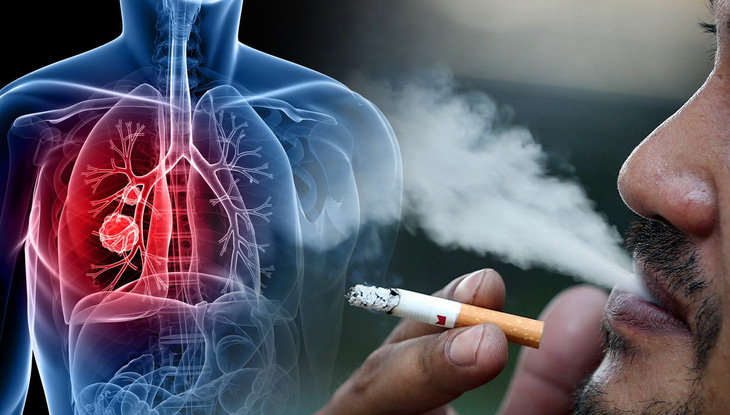
1. A Persistent or Changing Cough
A cough is extremely common and usually isn't caused by cancer.
Colds, flu, COVID-19, allergies, asthma, acid reflux, and respiratory infections can all trigger coughing.
However, a new cough that doesn't go away deserves attention.
You should also pay attention if you already have a chronic cough and notice that it changes.
For example, the cough may become:
-
More frequent
-
Deeper
-
More painful
-
Hoarser
-
Associated with blood
-
Different from your usual cough
People who smoke sometimes become accustomed to coughing regularly and may dismiss changes as a normal "smoker's cough."
A noticeable change shouldn't automatically be attributed to smoking.
When Should You Get It Checked?
If a cough persists for several weeks, continues worsening, or is accompanied by other unexplained symptoms, discuss it with a healthcare professional.
2. Coughing Up Blood
Coughing up blood—known medically as hemoptysis—is a symptom that deserves medical evaluation.
The amount can vary.
Some people may notice:
-
Small streaks of blood in mucus
-
Pink or reddish sputum
-
More obvious amounts of blood
Lung cancer is only one possible cause.
Other causes include:
-
Bronchitis
-
Pneumonia
-
Tuberculosis
-
Blood clots in the lungs
-
Airway irritation
-
Other lung diseases
Even a small amount of unexplained blood should not simply be ignored.
If you're coughing up a significant amount of blood or also experiencing severe shortness of breath, chest pain, fainting, or rapid deterioration, seek urgent medical care.
3. Unexplained Shortness of Breath
Feeling winded after intense exercise is normal.
But becoming unusually short of breath during activities that previously felt easy may warrant investigation.
For example, you might notice difficulty:
-
Walking upstairs
-
Carrying groceries
-
Walking your usual distance
-
Performing household chores
A lung tumor can sometimes affect breathing by narrowing or blocking an airway, contributing to fluid accumulation around the lung, or reducing normal lung function.
However, shortness of breath is much more commonly caused by other conditions, including:
-
Asthma
-
COPD
-
Heart disease
-
Respiratory infections
-
Anemia
-
Anxiety
-
Poor physical conditioning
The key concern is new, persistent, or progressively worsening breathlessness.
4. Chest Pain That Doesn't Go Away
Chest pain has many possible causes, ranging from strained muscles to serious heart or lung conditions.
Lung cancer may sometimes cause persistent discomfort in the:
-
Chest
-
Back
-
Shoulder
Pain may worsen with:
-
Deep breathing
-
Coughing
-
Laughing
But chest pain should never be self-diagnosed.
Heart disease, pulmonary embolism, pneumonia, reflux, and musculoskeletal conditions can all cause chest discomfort.
When Chest Pain Is an Emergency
Seek emergency medical attention for sudden or severe chest pain, particularly when accompanied by:
-
Shortness of breath
-
Sweating
-
Nausea
-
Fainting
-
Pain spreading to the arm, jaw, or back
-
Coughing up blood
Don't wait for these symptoms to resolve on their own.
5. Persistent Hoarseness or Voice Changes
Everyone gets a hoarse voice occasionally.
Common causes include:
-
Colds
-
Laryngitis
-
Voice overuse
-
Allergies
-
Acid reflux
But a persistent change in your voice deserves attention.
A tumor in the chest can sometimes affect nerves involved in controlling the vocal cords, resulting in a voice that becomes:
-
Hoarse
-
Raspy
-
Weak
-
Deeper than usual
If unexplained hoarseness continues for several weeks, particularly if you smoke or have other respiratory symptoms, consider having it evaluated.
6. Repeated Chest Infections
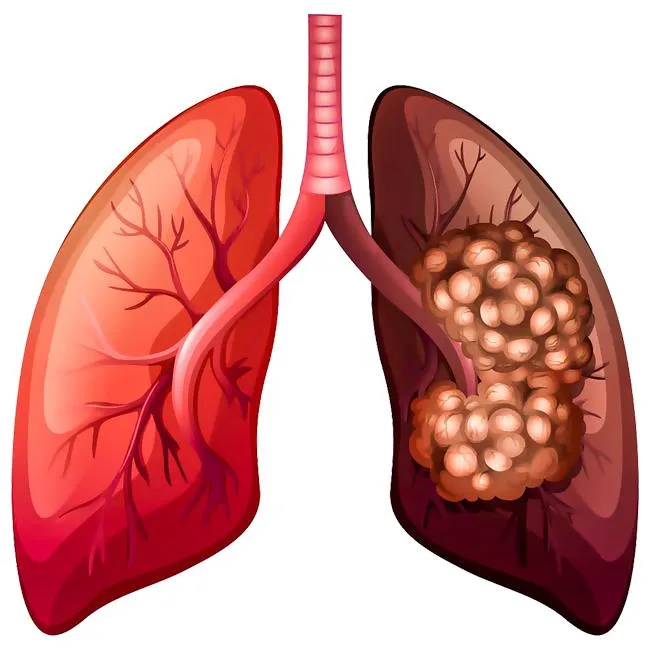
Pneumonia and bronchitis are common illnesses and usually aren't signs of cancer.
However, repeated infections affecting the same area of the lung can occasionally be associated with an obstruction in an airway.
A tumor may partially block a bronchial passage, making it more difficult for mucus to drain and potentially increasing susceptibility to infection behind the blockage.
Pay attention if:
-
Pneumonia repeatedly returns.
-
Bronchitis seems unusually persistent.
-
Symptoms improve but quickly return.
-
Imaging repeatedly shows problems in the same lung region.
This doesn't prove cancer is present, but further investigation may be appropriate.
7. Unexplained Weight Loss
Losing weight when you've intentionally changed your diet or increased exercise isn't usually concerning.
But unintentional weight loss can be a warning sign of many medical conditions.
Cancer can alter metabolism and appetite, potentially leading to weight loss.
You might notice:
-
Clothes becoming looser
-
Reduced appetite
-
Losing several pounds without trying
-
Loss of muscle mass
Other causes of unexplained weight loss include:
-
Thyroid disorders
-
Diabetes
-
Digestive diseases
-
Chronic infections
-
Depression
-
Medication effects
Significant unexplained weight loss deserves medical evaluation regardless of the suspected cause.
8. Persistent Fatigue or Weakness
Everyone feels tired occasionally.
Poor sleep, stress, demanding work schedules, and inadequate nutrition are common explanations.
Cancer-related fatigue, however, may feel different.
Some people describe:
-
Persistent exhaustion
-
Weakness
-
Reduced stamina
-
Difficulty completing normal activities
-
Feeling tired despite adequate sleep
Fatigue is extremely nonspecific and is far more often caused by something other than lung cancer.
Possible causes include:
-
Anemia
-
Thyroid problems
-
Sleep apnea
-
Depression
-
Nutritional deficiencies
-
Chronic infections
But fatigue that is persistent, unexplained, or accompanied by weight loss, cough, or other symptoms should be discussed with a healthcare professional.
9. Wheezing or New Breathing Noises
Wheezing is a high-pitched sound that typically occurs when air moves through narrowed airways.
Asthma is one of the most familiar causes, but wheezing may also occur with:
-
COPD
-
Allergies
-
Respiratory infections
-
Airway obstruction
In some cases, lung cancer can narrow or obstruct an airway and produce wheezing.
A new wheeze—particularly one that doesn't respond to usual treatment—may warrant further evaluation.
Again, wheezing alone doesn't mean you have lung cancer.
The pattern and persistence of symptoms matter.
10. Persistent Bone, Shoulder, or Back Pain
Some people with lung cancer develop pain outside the chest.
This is more likely when cancer has affected nearby structures or spread to bones.
Possible locations include:
-
Back
-
Shoulders
-
Ribs
-
Hips
-
Other bones
Bone pain may sometimes be:
-
Persistent
-
Worse at night
-
Present even while resting
-
Gradually worsening
However, back and shoulder pain are extraordinarily common and are usually caused by musculoskeletal problems rather than cancer.
The concern increases when unexplained pain occurs alongside symptoms such as persistent coughing, unexplained weight loss, or breathing changes.
Why Lung Cancer May Not Cause Early Symptoms
The lungs contain relatively few pain-sensing nerve endings compared with some other tissues.
A small tumor may therefore grow without producing obvious discomfort.
Additionally, the lungs have substantial reserve capacity. A person may lose some lung function before noticing significant breathing difficulties.
This is one reason screening is particularly important for people at high risk.
Waiting for symptoms isn't always the best strategy.
Who Is at Higher Risk for Lung Cancer?
People Who Smoke
Cigarette smoking is the leading risk factor for lung cancer.
Risk generally increases with:
-
Number of cigarettes smoked
-
Number of years smoked
-
Overall lifetime tobacco exposure
However, quitting matters at any age.
Lung cancer risk declines after smoking cessation, although former smokers may remain at elevated risk for many years.
Former Smokers Still Need to Pay Attention
Some people assume that quitting cigarettes means lung cancer risk immediately returns to that of someone who never smoked.
It doesn't.
Risk gradually declines over time.
This is why some former smokers may still qualify for lung cancer screening depending on their age and smoking history.
Can Nonsmokers Get Lung Cancer?
Yes.
Although smoking causes the majority of lung cancer cases, people who have never smoked can also develop the disease.
Risk factors in nonsmokers may include:
-
Secondhand smoke
-
Radon exposure
-
Occupational exposures
-
Air pollution
-
Genetic factors
-
Family history
Some cases occur without an obvious risk factor.
Therefore, persistent warning signs shouldn't automatically be dismissed simply because someone has never smoked.
Radon: An Often-Overlooked Risk Factor
Radon is a naturally occurring radioactive gas that can accumulate inside buildings.
You cannot:
-
See it
-
Smell it
-
Taste it
Long-term radon exposure is an established cause of lung cancer.
In areas where radon is a concern, home testing can identify elevated levels so appropriate mitigation measures can be taken.
Workplace Exposures Can Matter
Certain occupational exposures are associated with increased lung cancer risk.
Examples include exposure to:
-
Asbestos
-
Arsenic
-
Diesel exhaust
-
Chromium
-
Nickel
-
Certain industrial chemicals
Risk may be particularly high when occupational exposure occurs alongside cigarette smoking.
Appropriate protective equipment and workplace safety regulations are important preventive measures.
What About Air Pollution?
Long-term exposure to outdoor air pollution, particularly fine particulate matter, has also been associated with an increased risk of lung cancer.
Individual risk depends on exposure levels and many other factors.
Although one person can't completely control outdoor air quality, broader public-health measures aimed at reducing air pollution can have important health benefits.
Should Everyone Be Screened for Lung Cancer?
No.
Lung cancer screening isn't recommended for every adult.
For people at sufficiently high risk, annual low-dose computed tomography (LDCT) can reduce the risk of dying from lung cancer by helping detect disease earlier.
For example, current U.S. recommendations commonly advise annual LDCT screening for adults who meet specific criteria involving age and smoking history.
Screening guidelines can vary by country and may change over time, so people with a substantial smoking history should discuss eligibility with their healthcare provider.
A standard chest X-ray isn't considered an equivalent replacement for recommended low-dose CT screening.
What Is a Pack-Year?
Doctors often measure smoking exposure using pack-years.
One pack-year means smoking an average of one pack of cigarettes per day for one year.
For example:
-
1 pack per day for 20 years = 20 pack-years
-
2 packs per day for 10 years = 20 pack-years
-
Half a pack per day for 40 years = 20 pack-years
This information helps clinicians assess lung cancer risk and screening eligibility.
Can a Blood Test Detect Lung Cancer Early?
Routine blood tests cannot reliably rule out lung cancer.
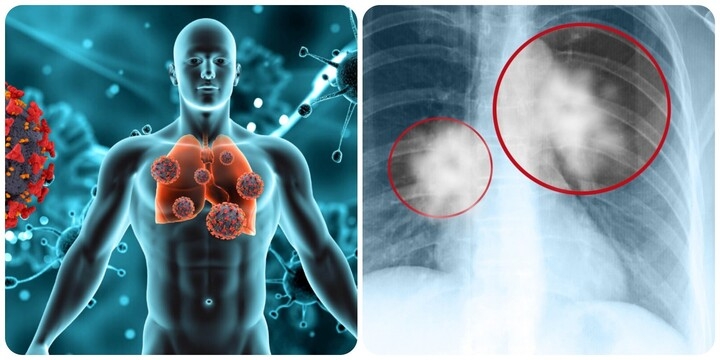
Researchers are studying various biomarkers and blood-based cancer detection technologies, but imaging remains central to established lung cancer screening and diagnosis.
If symptoms are concerning, a clinician may recommend:
-
Chest imaging
-
CT scans
-
Laboratory tests
-
Sputum testing in selected circumstances
-
Bronchoscopy
-
Biopsy
The appropriate testing depends on the clinical situation.
Does a Persistent Cough Automatically Mean Cancer?
Absolutely not.
Most persistent coughs have other causes.
Common explanations include:
-
Asthma
-
Acid reflux
-
Allergies
-
Postnasal drip
-
Viral infections
-
COPD
-
Certain medications
What matters is whether the cough:
-
Persists
-
Worsens
-
Changes noticeably
-
Occurs with blood
-
Is accompanied by unexplained weight loss or breathing problems
Rather than assuming the worst, get persistent symptoms appropriately evaluated.
Don't Ignore Changes Because You Smoke
Some smokers become accustomed to:
-
Morning coughing
-
Mucus production
-
Mild breathlessness
-
Wheezing
These symptoms may be related to chronic airway damage, but they still shouldn't automatically be considered “normal.”
A change from your usual baseline can be especially important.
If your normal cough suddenly becomes deeper, more frequent, painful, or bloody, seek medical advice.
Quitting Smoking Still Matters
If you currently smoke, quitting is one of the most important actions you can take for your health.
Benefits extend far beyond lung cancer risk.
Stopping smoking can reduce the risk of:
-
Heart disease
-
Stroke
-
COPD
-
Multiple cancers
-
Vascular disease
It can also protect people around you from secondhand smoke.
Even people who have smoked for decades can benefit from quitting.
Can Food Prevent Lung Cancer?
No food can guarantee protection from lung cancer.
Fruits, vegetables, whole grains, legumes, nuts, and other nutrient-rich foods are valuable components of a healthy lifestyle, but they cannot cancel out the harmful effects of smoking.
Be skeptical of claims that a particular:
-
Juice
-
Herb
-
Supplement
-
Vitamin
-
Tea
-
Detox program
can “clean the lungs” or prevent lung cancer.
For smokers, quitting tobacco is far more important than any supposed lung-cleansing food.
Can Supplements Protect Smokers?
This is an especially important misconception.
High-dose supplements are not necessarily harmless.
In fact, studies have found that high-dose beta-carotene supplementation increased lung cancer risk in certain groups of smokers and people exposed to asbestos.
This demonstrates why supplements shouldn't automatically be considered safer simply because they're marketed as antioxidants or “natural.”
Obtain nutrients primarily from a balanced diet unless your healthcare provider recommends supplementation for a specific reason.
When Should You Make a Doctor's Appointment?
Consider medical evaluation if you experience:
-
A cough that doesn't resolve
-
A significant change in a chronic cough
-
Unexplained weight loss
-
Persistent hoarseness
-
Recurrent chest infections
-
New or worsening breathlessness
-
Persistent chest, shoulder, or back discomfort
-
Unexplained fatigue
-
New wheezing
Having one of these symptoms doesn't mean you have lung cancer.
The goal is to identify the cause.
When Should You Seek Urgent Medical Care?
Some symptoms shouldn't wait for a routine appointment.
Seek urgent medical attention for:
-
Significant coughing up of blood
-
Severe difficulty breathing
-
Sudden severe chest pain
-
Fainting
-
Blue or gray discoloration of the lips or skin
-
Rapidly worsening breathing problems
These symptoms can occur with several serious medical conditions—not only cancer—and require prompt assessment.
10 Possible Signs to Remember
The potential warning signs discussed above are:
1. A persistent or changing cough
2. Coughing up blood
3. Unexplained shortness of breath
4. Persistent chest pain
5. Persistent hoarseness or voice changes
6. Repeated chest infections
7. Unexplained weight loss
8. Persistent fatigue or weakness
9. New or unexplained wheezing
10. Persistent bone, shoulder, or back pain
None of these symptoms can diagnose lung cancer on their own.
But persistent or unexplained changes deserve attention.
The Bottom Line
Lung cancer can sometimes develop without obvious symptoms in its earliest stages. When symptoms do occur, they may resemble common respiratory or everyday health problems.
That's why context matters.
A short-lived cough during a cold is very different from a cough that persists for weeks, becomes progressively worse, or begins producing blood.
Similarly, occasional fatigue is common, while unexplained fatigue combined with weight loss and persistent respiratory symptoms deserves closer attention.
For people at increased risk—particularly current and former smokers—appropriate lung cancer screening may detect disease before symptoms develop.
Don't wait for dramatic symptoms if you already qualify for screening.
Final Thoughts
The purpose of knowing lung cancer warning signs isn't to make every cough frightening. It's to recognize when a symptom has stopped behaving like an ordinary, temporary problem.
Pay particular attention to persistence, progression, and combinations of symptoms.
A cough that keeps worsening, unexplained weight loss, repeated pneumonia, coughing up blood, or increasing shortness of breath shouldn't simply be ignored—especially in someone with a significant smoking history or other risk factors.
At the same time, remember that these symptoms have many possible causes, and most cannot be diagnosed based on symptoms alone.
If something feels different from your normal baseline and doesn't improve, get it checked.
When it comes to lung health, appropriate screening, smoking cessation, and timely medical evaluation are far more valuable than trying to diagnose yourself—or relying on supposed “lung detox” remedies found online.