For years, many households have poured rice-washing water straight down the drain without a second thought. However, experts say this cloudy liquid is far from waste. When used correctly, rice-washing water can become a powerful, natural resource that helps save money, reduce chemical use, and improve daily life.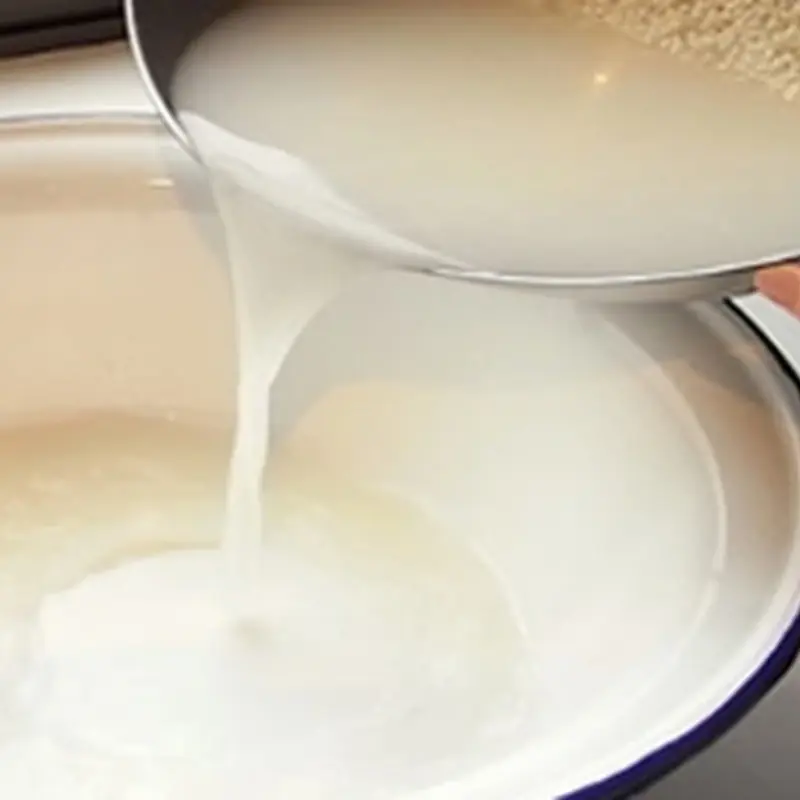
Why Rice-Washing Water Is Valuable
Rice-washing water contains starch, trace minerals, and small amounts of vitamins released from the rice grains during rinsing. These nutrients make it useful for cleaning, gardening, skincare, and even household maintenance — all at virtually zero cost.
Natural Household Cleaner
Thanks to its mild starch content, rice-washing water works well as a gentle cleaner. It can help remove grease from dishes, clean kitchen surfaces, and even restore shine to stainless steel and glassware without harsh chemicals.
A Free Boost for Plants
Many gardeners reuse rice-washing water to water plants. The nutrients can support soil microbes and promote healthier growth. This simple habit can reduce the need for commercial fertilizers over time.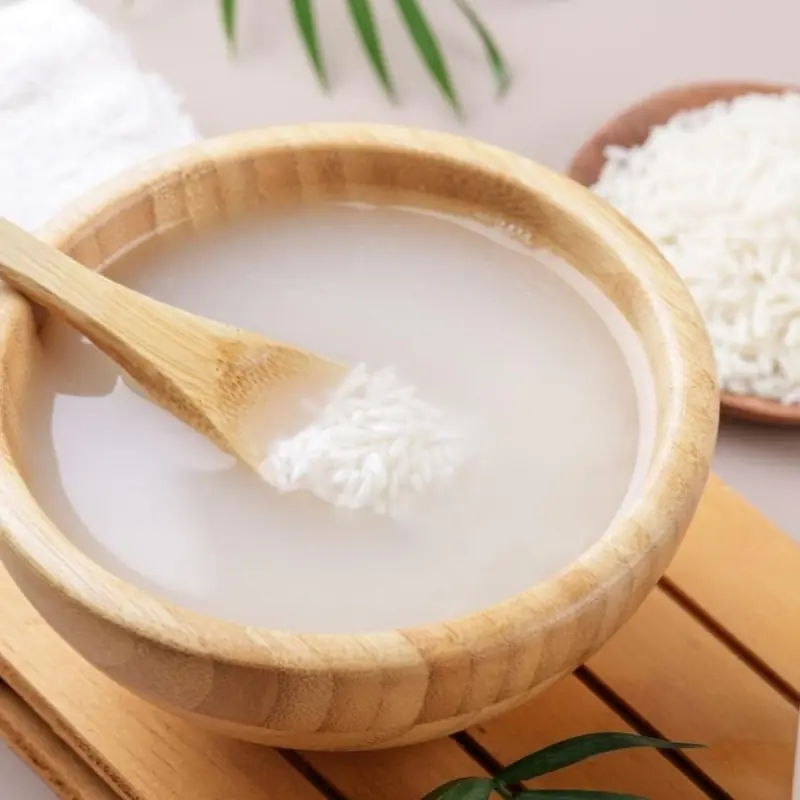
Traditional Beauty and Skincare Uses
In several Asian cultures, rice water has long been used for skin and hair care. It is believed to help soothe skin, improve hair smoothness, and add shine — offering a natural alternative to expensive beauty products.
Helps Reduce Household Expenses
By reusing rice-washing water instead of buying cleaners, fertilizers, or beauty products, families can significantly cut everyday costs. Over time, these small savings can add up to a substantial amount each year.
How to Store and Use It Safely
Rice-washing water should be used fresh or stored in the refrigerator and consumed within 24 hours to avoid fermentation. Do not use water from spoiled rice, and avoid storing it at room temperature for long periods.
The Takeaway
Rice-washing water is not waste — it’s a hidden household asset. By keeping and reusing it wisely, you not only save money but also reduce environmental impact. Sometimes, the most valuable resources are the ones we’ve been throwing away all along.