10 Aromatic Plants That May Help Reduce Mosquitoes in Your Garden and Home
Fresh Scents, Fewer Mosquitoes? 10 Plants to Consider for Your Home
Tips 03/08/2026 10:22
If you usually rinse rice and immediately pour the cloudy water down the drain, you may want to think twice.
That simple liquid commonly called rice water - has been used in traditional beauty routines in parts of Asia for generations. Today, it has found a new audience on social media, where people use it as a hair rinse, scalp treatment, facial toner, or ingredient in homemade skincare.
But is rice water really the beauty secret people claim it is?
The answer is more nuanced than many viral posts suggest. Rice water contains starch and small amounts of compounds that may help hair and skin feel smoother, but research on homemade rice water remains limited. It isn't a miracle treatment for hair loss, wrinkles, acne, or pigmentation.
Still, when prepared and used carefully, rice water can be an inexpensive addition to a simple beauty routine.
Here’s what you should know before pouring away your next bowl.
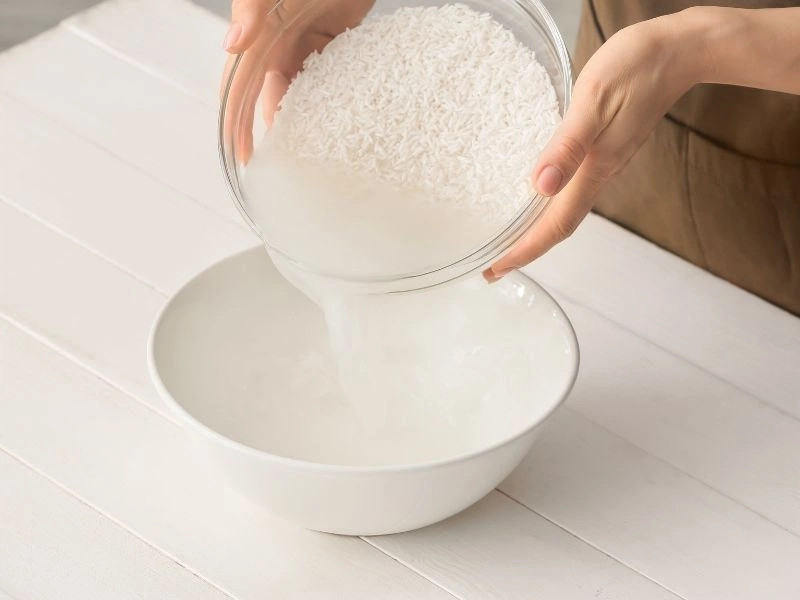
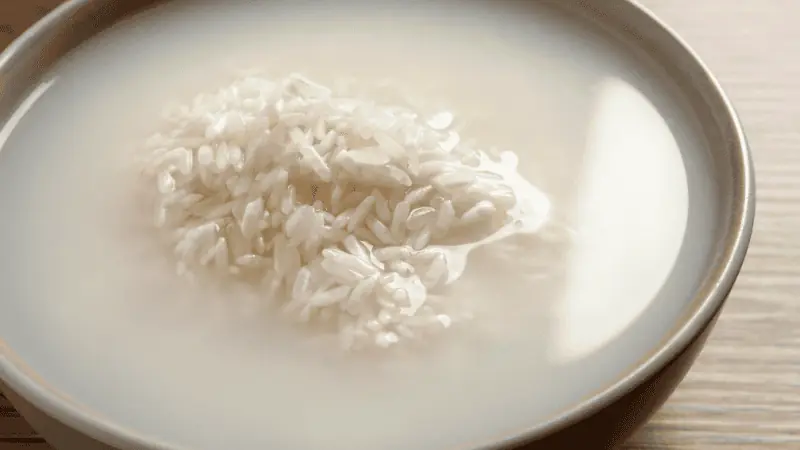
Rice water is simply the cloudy liquid produced when rice is soaked, rinsed, or cooked in water.
As rice sits in water, some of its starch and water-soluble components move into the liquid. The exact composition depends on the type of rice, how long it is soaked, how much water is used, and whether it is cooked or fermented.
Homemade rice water is therefore not a standardized cosmetic product.
One batch may be considerably more concentrated than another.
The characteristic cloudy appearance largely comes from rice starch suspended in the water.
And that starch is one reason rice water may temporarily change how your hair or skin feels.
One of the most popular uses of rice water is as a hair rinse.
When applied to the hair, the starch-rich liquid may coat the surface of individual strands.
This can temporarily make hair feel smoother, less rough, and easier to manage.
For people whose hair becomes tangled easily, improved slip may also make brushing or combing more comfortable.
However, it's important to distinguish cosmetic effects from biological changes.
Hair that feels smoother isn't necessarily growing faster or becoming permanently stronger.
Think of rice water more like a conditioning treatment than a medication.
Dry, damaged hair tends to have a rougher outer surface.
When hair strands rub against one another, they may tangle and appear frizzy.
Rice water may leave a temporary coating on the hair shaft, which can make the surface feel smoother.
As a result, some people report that their hair appears shinier and more manageable after using a rice-water rinse.
The effect will vary considerably depending on hair type.
Someone with very dry, curly, bleached, or chemically treated hair may have a completely different experience from someone with straight, untreated hair.
Experiment conservatively rather than assuming more rice water will produce better results.
This is probably the biggest claim surrounding rice water—and also one that needs clarification.
Social media is filled with before-and-after photos suggesting that rice water can produce dramatic hair growth.
But hair growth is complicated.
Genetics, age, nutrition, hormones, scalp health, stress, medications, and medical conditions can all influence how quickly hair grows and whether excessive shedding occurs.
At present, there isn't strong clinical evidence demonstrating that homemade rice water dramatically accelerates human hair growth.
That doesn't mean rice water has no cosmetic value.
If it helps reduce friction and breakage in some hair types, the hair may retain length more successfully over time.
But preventing breakage is different from stimulating new follicles to grow.
If you're experiencing sudden or significant hair loss, rice water shouldn't replace medical evaluation.
Some people apply rice water directly to their scalp.
A gentle rinse may feel soothing, but the scalp is skin, and skin can react to homemade preparations.
Leaving concentrated rice water on the scalp for extended periods could potentially lead to residue, dryness, irritation, or itching in some individuals.
If you already have dandruff, seborrheic dermatitis, eczema, psoriasis, scalp sores, or another dermatological condition, DIY treatments may occasionally make symptoms worse.
Start cautiously.
If you notice burning, significant redness, increased flaking, or persistent itching, stop using it.
Rice water isn't only used for hair.
Some people apply diluted rice water to the face and body as a simple homemade skin rinse.
The starch in rice water may leave the skin feeling temporarily softer and smoother.
This is one reason rice-derived ingredients can also be found in commercially formulated cosmetics.
But commercial skincare products and homemade rice water are very different.
Commercial formulas can contain purified or standardized ingredients, preservatives, controlled concentrations, and other compounds specifically designed for the skin.
Homemade rice water doesn't have these advantages.
So while your skin may enjoy the temporary feel, don't assume a homemade mixture has the same properties as a professionally formulated skincare product.
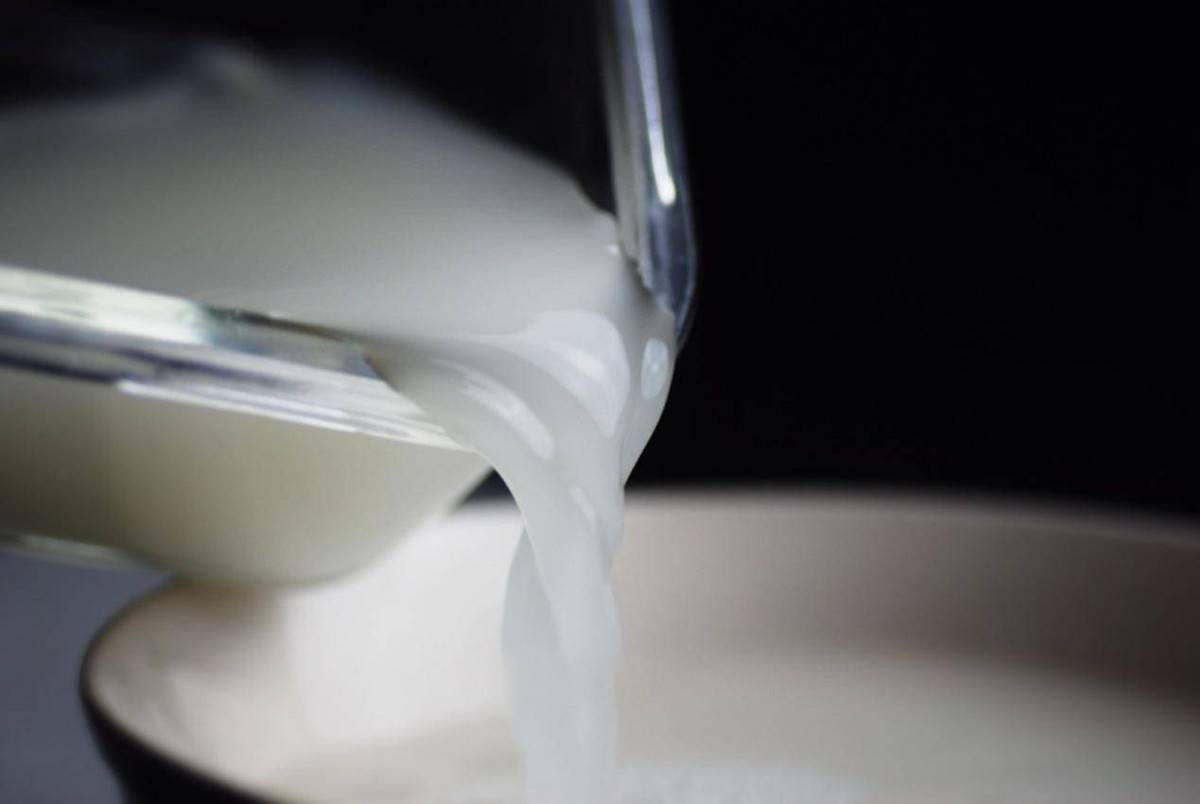
Another popular claim is that rice water creates dramatically brighter or glowing skin.
Part of this effect may simply come from hydration and temporary surface smoothing.
Skin with a smoother surface reflects light differently and can appear more radiant.
But claims that ordinary rice water can permanently whiten skin, erase pigmentation, or remove dark spots should be viewed cautiously.
Hyperpigmentation can have many causes, including:
• Sun exposure
• Acne
• Hormonal changes
• Skin inflammation
• Certain medications
• Genetics
Treating persistent pigmentation usually requires identifying the cause and using evidence-based skincare.
And if preventing dark spots is your goal, daily sun protection is far more important than rice water.
Rice water is sometimes promoted online as a natural acne treatment.
Unfortunately, acne isn't that simple.
Acne develops through a combination of excess oil production, clogged follicles, inflammation, hormonal influences, and microorganisms naturally present on the skin.
There isn't strong evidence showing that homemade rice water can reliably treat moderate or severe acne.
For mild acne, established ingredients such as salicylic acid, benzoyl peroxide, or topical retinoids generally have much stronger evidence behind them.
Rice water may still be used as part of a skincare routine if your skin tolerates it, but it shouldn't replace proven acne treatment when treatment is needed.
Some traditional and social-media recipes recommend leaving rice water at room temperature until it begins to ferment.
Supporters often claim fermentation dramatically increases its beauty benefits.
But homemade fermentation introduces another issue:
microbial growth.
Once you mix food material with water and leave it sitting around, microorganisms can multiply.
Without laboratory testing, you don't know exactly which microorganisms are growing in your homemade preparation.
Commercial fermented skincare products are manufactured under controlled conditions. A jar of rice water sitting on your kitchen counter isn't equivalent.
If your rice water develops an unusual odor, visible mold, discoloration, or another obvious sign of spoilage, throw it away rather than applying it to your face or scalp.
You don't need a complicated recipe.
Start with plain rice and clean water.
Place approximately ½ cup of rice in a clean bowl.
Briefly rinse the rice to remove obvious dust or debris and discard that first water.
Then add roughly 2 cups of clean water.
Allow the rice to soak for around 20–30 minutes.
Gently stir the mixture several times.
Strain the cloudy liquid into a clean container.
That's your basic rice water.
For cosmetic use, you may dilute it further with clean water, particularly if your hair or skin tends to be dry or sensitive.
After shampooing, apply diluted rice water through your hair.
Massage it gently through the strands rather than aggressively rubbing the hair.
Allow it to remain briefly—around 5 to 10 minutes may be enough when you're starting out.
Then rinse thoroughly with clean water.
You can follow with your normal conditioner if your hair needs additional moisture.
There is generally no reason to leave rice water on your hair overnight.
Longer exposure doesn't automatically mean better results.
In fact, if rice water leaves your hair stiff, rough, tangled, or unusually dry, reduce the frequency or stop using it.
Skin requires even more caution.
Before putting homemade rice water all over your face, perform a small patch test on an inconspicuous area.
Wait and observe for irritation.
If everything appears normal, you can apply a small amount of diluted rice water to clean skin and rinse it off after a short period.
Avoid applying it directly to:
Open wounds
Active infections
Severely irritated skin
Areas with significant eczema flare-ups
Broken or bleeding skin
If you have highly sensitive skin or an existing skin condition, talk with a dermatologist before experimenting with DIY skincare.
You don't need rice water every day.
For hair, starting with once a week is a reasonable way to see how your hair responds.
Some people may tolerate it more frequently, while others may find that it leaves their hair dry or stiff.
For facial use, occasional application is also preferable when you're first experimenting.
Your skin barrier generally benefits from consistency and simplicity—not from constantly adding new homemade treatments.
Listen to your skin and hair rather than following a rigid viral routine.
Fresh homemade rice water contains no cosmetic preservatives.
That means it can spoil.
If you prepare more than you need, store it in a clean, tightly sealed container in the refrigerator and use it promptly rather than keeping it around for long periods.
Avoid repeatedly dipping dirty fingers into the container.
Pour out only what you need.
When in doubt, discard the batch and make a fresh one. Rice is inexpensive; treating an irritated or infected skin condition isn't.
Rice water may not suit everyone.
People with very sensitive skin, eczema, allergies, or chronic scalp disorders should approach homemade treatments cautiously.
Stop using rice water if you develop:
Persistent itching
Burning
Redness
Swelling
A new rash
Worsening dandruff or flaking
If symptoms are severe or continue after stopping the product, consult a healthcare professional.
Natural ingredients can still cause irritation.
“Natural” doesn't automatically mean “safe for every person.”
Perhaps the most important thing to remember is that rice water is not a miracle treatment.
It won't reverse years of hair damage overnight.
It isn't proven to cure baldness.
It won't erase wrinkles after a few applications.
And it isn't a substitute for evidence-based treatment for acne, eczema, psoriasis, infections, or significant hair loss.
What rice water can potentially offer is much simpler:
An inexpensive, starch-rich rinse that may temporarily help some people's hair feel smoother and more manageable and may leave some people's skin feeling softer.
Sometimes simple benefits are enough.
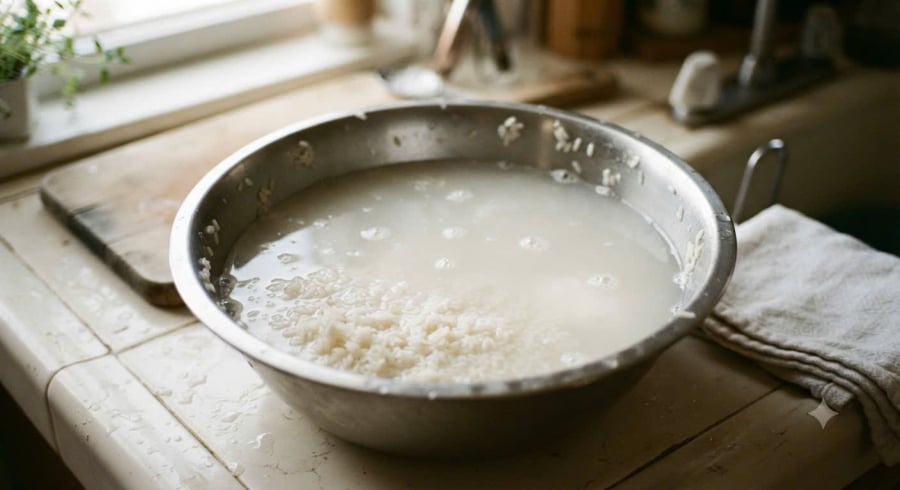
The next time you prepare rice, that cloudy water doesn't necessarily have to go straight down the drain.
Homemade rice water can be an inexpensive addition to a hair or skincare routine, particularly if you're interested in experimenting with traditional beauty practices.
Its starch content may temporarily coat hair strands, potentially improving smoothness and manageability. Applied cautiously to the skin, it may also provide a temporary soft, smooth feeling.
But keep expectations realistic.
Scientific evidence for many viral claims - especially dramatic hair growth, acne treatment, wrinkle removal, or permanent skin brightening remains limited.
If you decide to try rice water, keep the preparation clean, start with a diluted mixture, patch-test your skin, avoid prolonged storage, and stop immediately if irritation occurs.
And remember: healthy-looking skin and hair usually depend on much more than one ingredient.
A balanced diet, adequate protein and micronutrients, sun protection, gentle cleansing, appropriate moisturization, good sleep, stress management, and proper medical care when problems arise are still the foundations that matter most.
So perhaps don't throw away that rice water just yet.
Your hair and skin might enjoy it but treat it as a simple beauty experiment, not a miracle cure.
Fresh Scents, Fewer Mosquitoes? 10 Plants to Consider for Your Home

One simple change could help your suitcase reach you faster.

😱 Your Honey May Not Be What You Think — Here’s How to Check Its Purity.
Why a Snake Plant Might Be a Great Addition to Your Bedroom?
Vaseline and Natural Ingredients: Simple Ways to Support Soft, Hydrated Skin
The Amazing Ways Rice Water Has Been Traditionally Used
Smart Lemon Storage Tips to Keep Them Fresh for Longer

Air Conditioner Fan Speed: Is High or Low the Better Choice?
A Step-by-Step Guide to Treating Mold and Peeling Paint on Walls
⚠️ If You Do This After Cooking, You Could Be Shortening the Life of Your Pipes…

That decorative cloth serves more than just an attractive hotel room design.

Before planting this season, see which plants snakes prefer most.

Checking Into a Motel? Don't Miss These Important Room Inspections
Stop Mopping With Plain Water—Try This Simple Upgrade Instead
Is an Egg With a Red Spot Safe to Eat?

Trust Your First Impression... Then Read the Result!

Can You Still Drive After 70? The Answer May Surprise You
You've Probably Been Choosing Chicken the Wrong Way





The call he ignored became the memory that haunted him forever

A Young Man Ignored His Ongoing Sore Throat Until It Required Cancer Treatment Experts Say It's Also Worth Checking What's in Your Fridge

Don't Ignore These 9 Morning Warning Signs - They Could Be Clues to an Underlying Health Condition


Success Almost Cost Me My Best Friend
The Forgotten Onion & Bay Leaf Remedy: Why This Traditional Syrup Is Making a Comeback

Want to Support Your Lungs? 10 Teas Worth Trying

The Father They Called a Coward

Coffee Isn’t Right for Everyone: 3 People Who May Need to Cut Back


The Most Expensive Lesson
Fresh Scents, Fewer Mosquitoes? 10 Plants to Consider for Your Home

e Loved Her Before He Knew She Was a Princess

Never take what belongs to someone else, no matter how hard life becomes.

A Few Minutes of Betrayal