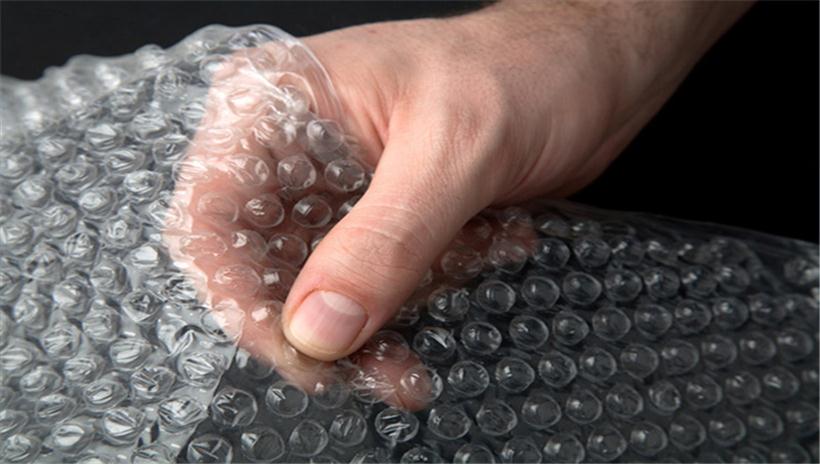
Most people see bubble wrap as nothing more than packaging material. It arrives around online orders, protects fragile dishes, and usually ends up in the trash once the package is opened.
But before you throw it away, take a second look.
Clean, intact bubble wrap can have several surprisingly practical uses around the kitchen. Its lightweight air-filled bubbles provide cushioning, insulation, and a little extra protection for objects and surfaces.
Of course, bubble wrap isn't a replacement for proper food-storage materials, and it shouldn't be used directly against food unless the material is specifically labeled as food-safe. But for household organization, protection, and insulation, that leftover packaging can sometimes be surprisingly useful.
Here are some clever ways to give bubble wrap a second life in your kitchen.

1. Use Bubble Wrap to Protect Fragile Kitchen Items
One of the easiest ways to reuse bubble wrap is also one of the most practical.
If you have delicate kitchen items such as:
-
Glass jars
-
Wine glasses
-
Ceramic bowls
-
Decorative plates
-
Mugs
-
Small serving dishes
bubble wrap can provide an extra layer of cushioning.
Instead of throwing it away after receiving a package, cut larger sheets into manageable pieces and save them in a drawer or cabinet.
When you need to store fragile items, place a layer of bubble wrap between them.
This can help reduce direct contact between hard surfaces and may lower the chance of scratches or chips.
A useful tip
Don't wrap fragile items so tightly that pressure is placed on delicate handles or thin glass.
The goal is cushioning—not compression.
2. Protect Glass Containers When Moving Things Around
If you're reorganizing your kitchen or moving items between cabinets, bubble wrap can make the process easier.
For example, suppose you're moving a collection of glass storage jars from one cabinet to another.
Instead of placing them directly together, add small pieces of bubble wrap between the containers.
This creates a soft barrier and reduces the chance of them knocking against one another.
It's especially useful when:
-
Moving house
-
Reorganizing cabinets
-
Storing seasonal dishes
-
Packing kitchenware for a trip
-
Putting fragile items into long-term storage
3. Add a Layer of Cushioning to Drawers
Some kitchen drawers contain items that constantly move around.
Think about:
-
Measuring spoons
-
Small utensils
-
Glass containers
-
Spice jars
-
Kitchen gadgets
A sheet of bubble wrap cut to fit the bottom of a drawer can provide a soft cushioning layer.
It may also help prevent items from sliding quite as aggressively when the drawer opens and closes.
However, there's a catch.
Bubble wrap can trap crumbs, grease, and moisture.
So if you use it inside a drawer, remove and clean or replace it regularly.
For a frequently used food-preparation drawer, a washable drawer liner is usually a better long-term option.
4. Protect Your Refrigerator Shelves
Bubble wrap can also be useful as temporary cushioning for certain refrigerator storage situations.
For example, if you're storing delicate containers or glass jars, a small piece of bubble wrap can help prevent them from knocking against a hard shelf.
However, don't cover refrigerator vents or airflow channels.
Your refrigerator relies on proper air circulation to maintain consistent temperatures.
And don't use bubble wrap as a substitute for proper food containers or storage bags.
The best use here is simply protecting containers—not wrapping food directly.
5. Help Protect Produce Containers From Bumps
Fruits and vegetables can bruise surprisingly easily.
If you have a storage container or basket where produce tends to roll around, a layer of bubble wrap underneath the container can provide some cushioning.
This may be particularly useful for delicate produce such as:
-
Peaches
-
Pears
-
Tomatoes
-
Plums
-
Avocados
But remember:
Don't seal fresh produce tightly in bubble wrap.
Fresh fruits and vegetables often need appropriate ventilation, and trapped moisture can encourage spoilage.
Use bubble wrap as a protective layer underneath or around a container rather than creating an airtight package.
6. Create a Simple Insulating Layer for Certain Kitchen Uses
One of bubble wrap's most interesting properties is its trapped air.
Air is a poor conductor of heat, which is one reason bubble wrap can provide some insulation.
This doesn't make bubble wrap a professional thermal-insulation material, but it can be useful for short-term household situations.
For example, you can place a clean layer of bubble wrap around the outside of a reusable cooler or insulated bag to provide an additional temporary barrier.
Important
Don't place ordinary bubble wrap directly against hot cookware.
It can melt or deform when exposed to high temperatures.
Keep it away from:
-
Ovens
-
Stovetops
-
Air fryers
-
Toaster ovens
-
Hot pans
-
Open flames
7. Protect Your Countertop During Certain Messy Projects
Bubble wrap can provide a temporary protective layer when you're doing a non-food-related kitchen project.
For example, if you're:
-
Organizing hardware
-
Cleaning cabinet interiors
-
Sorting small household items
-
Working on a DIY project
a piece of bubble wrap can protect a surface from scratches.
For food preparation, however, use a proper food-safe cutting board or kitchen mat.
Never treat ordinary packaging bubble wrap as a food-preparation surface.
8. Use It to Store Seasonal Kitchen Decorations
If you have holiday mugs, decorative plates, serving dishes, or other seasonal kitchen items, bubble wrap can help protect them during storage.
Wrap individual fragile pieces and place them inside a sturdy box.
For additional protection, fill empty spaces with:
-
Clean bubble wrap
-
Packing paper
-
Towels
-
Other suitable cushioning materials
This prevents items from moving around excessively.
When you unpack them months later, you may find far fewer chips and scratches.
9. Protect Cabinet Doors During a Move
Kitchen cabinets can become scratched or damaged when appliances, boxes, and furniture are being moved around.
Bubble wrap can act as a temporary protective barrier.
For example, you can place a sheet between a cabinet door and another hard object while transporting household items.
Secure it carefully so that it doesn't obstruct hinges or moving parts.
For long-term protection, however, use appropriate moving blankets or protective materials.
10. Turn Bubble Wrap Into a Simple Anti-Slip Layer
Bubble wrap can sometimes provide extra friction between certain objects and surfaces.
For example, a small piece placed beneath a lightweight decorative kitchen item may help prevent it from sliding.
But this should be considered a temporary household trick, not a replacement for a proper non-slip mat.
Bubble wrap can tear, compress, or move over time.
For heavy appliances or anything that could cause injury if it falls, use a purpose-designed anti-slip product.
11. Keep a Small Sheet in Your Kitchen Storage Area
Instead of throwing every piece away immediately, consider keeping a small amount in a designated storage box.
You may eventually need it for:
-
Packing fragile dishes
-
Protecting glass jars
-
Moving kitchen equipment
-
Storing decorations
-
Cushioning delicate objects
You don't need to keep huge quantities.
A small roll or a few clean sheets are usually enough.
12. Bubble Wrap Can Be Especially Useful During a Move
If you're moving homes, don't underestimate how useful leftover packaging materials can be.
Kitchen items are among the easiest things to damage because they contain so much:
-
Glass
-
Ceramic
-
Porcelain
-
Metal
-
Small breakable parts
Bubble wrap can be used to separate individual items before they're placed inside moving boxes.
A good packing strategy is:
Bubble wrap → item → additional cushioning → sturdy box
The box should not be so full that the contents are under pressure.
What You Should NOT Do With Bubble Wrap in the Kitchen
While there are plenty of clever uses, there are also important limitations.
Don't Put Bubble Wrap in the Oven
Bubble wrap is made from plastic and can melt when exposed to high temperatures.
Never use it as:
-
An oven liner
-
A baking mat
-
A pan liner
-
A heat shield
Don't Put It on a Hot Stove
Direct contact with a burner can melt plastic extremely quickly.
Keep bubble wrap far away from flames and hot heating elements.
Don't Wrap Hot Food in Ordinary Bubble Wrap
This is especially important.
Regular packaging bubble wrap isn't necessarily designed for food contact or high temperatures.
If you need to keep food warm, use a container or insulating product specifically designed for food.
Can You Wrap Food Directly in Bubble Wrap?
Generally, don't assume ordinary bubble wrap is food-safe.
Packaging materials are manufactured for different purposes.
Some plastics are specifically designed for food contact, while others are not.
Unless the product is explicitly labeled or certified for food-contact use, don't use it directly against food.
For food storage, stick with materials intended for that purpose, such as:
-
Food-safe containers
-
Food-grade storage bags
-
Wax paper where appropriate
-
Parchment paper for appropriate cooking uses
-
Reusable silicone food-storage products
What About Using Bubble Wrap to Store Meat or Fish?
This is not recommended.
Raw meat and seafood require proper temperature control and food-safe packaging.
Bubble wrap doesn't replace:
-
Refrigeration
-
Freezing
-
Food-safe packaging
-
Proper hygiene
If you need to transport frozen food, use an appropriate insulated cooler or food-grade insulated bag.
How to Clean Reused Bubble Wrap
If you're going to reuse bubble wrap around the kitchen, make sure it's clean.
Check it first for:
-
Dust
-
Dirt
-
Grease
-
Food residue
-
Chemical residue
-
Tears
For household storage that doesn't involve food contact, gently wipe it down if necessary and allow it to dry completely.
If the bubble wrap has come into contact with unknown chemicals or dirty surfaces, it's better to recycle or discard it rather than bring it into your kitchen.
Why Reusing Bubble Wrap Can Be Better Than Immediately Throwing It Away
Bubble wrap is designed to protect products during transportation, but that doesn't necessarily mean its useful life ends when the package arrives.
Reusing packaging can be a simple way to get more value from something you already have.
Instead of immediately throwing it away, you might use it to:
-
Protect fragile objects
-
Cushion storage containers
-
Pack household items
-
Protect decorations
-
Reduce movement inside boxes
Eventually, when the material becomes damaged or unusable, check whether your local recycling program accepts it.
Bubble wrap is often not accepted in standard curbside recycling bins, but some communities and retailers have dedicated plastic-film recycling programs.
Check your local recycling rules.
A Clever Way to Organize Your Kitchen Packing Supplies
If you frequently receive packages, create a small "reuse box."
Put inside:
-
Bubble wrap
-
Clean packing paper
-
Reusable boxes
-
Small cardboard pieces
-
Reusable padded envelopes
Then, whenever you need to store something fragile, you already have supplies available.
This can save money and reduce the amount of packaging you throw away.
Bubble Wrap Isn't Magic—But It Is Useful
The biggest benefit of bubble wrap isn't some mysterious kitchen health trick.
It's simply the combination of:
Cushioning + trapped air + lightweight plastic + flexibility.
Those characteristics make it useful for temporary household protection.
The trick is knowing where it's appropriate and where it isn't.
Use it around fragile objects.
Keep it away from heat.
Don't assume it's food-safe.
And don't use it as a substitute for purpose-built kitchen products when safety matters.
Simple Bubble Wrap Ideas at a Glance
Use Good Idea? Protecting glassware ✅ Cushioning fragile dishes ✅ Packing kitchen items for a move ✅ Protecting storage containers ✅ Lining a drawer temporarily ✅ Insulating a cooler externally ✅ Wrapping hot food ❌ Putting in an oven ❌ Using on a stovetop ❌ Direct food contact ❌ Unless specifically food-safe Protecting delicate objects during storage ✅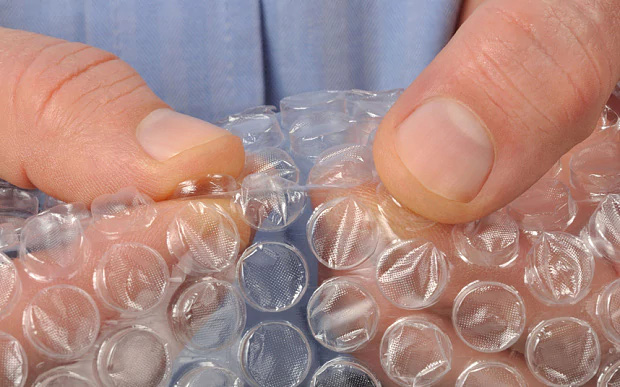
Final Thoughts
The next time you open a package and see a sheet of bubble wrap inside, you don't necessarily have to throw it straight into the trash.
That seemingly useless piece of packaging can become a handy household tool.
Use it to cushion glassware, protect fragile dishes, organize drawers, pack kitchen equipment, and protect delicate items during storage or moving.
Just remember the most important safety rule:
Ordinary bubble wrap is packaging material - not cookware or food-storage material.
Keep it away from heat and flames, don't use it directly against food unless it's specifically designed for food contact, and replace it when it becomes dirty or damaged.
Sometimes the most useful household hacks aren't about buying another product.
They're about looking at something you already have and finding a smarter second use for it.
So before you toss that bubble wrap, save a clean piece or two. You might be surprised how often it comes in handy.