"Drink eight glasses of water every day."
You've probably heard this advice countless times.
It's simple, memorable, and easy to understand. But there's one problem: your body doesn't necessarily need exactly eight glasses of water every day.
Your hydration needs can vary considerably depending on your body size, diet, activity level, climate, medications, health conditions, and how much you sweat.
For some people, eight glasses may be reasonable. For others, it may be too little—or more than they actually need.
So instead of obsessing over a specific number, it may be more useful to understand how hydration works and how to recognize what your body actually needs.
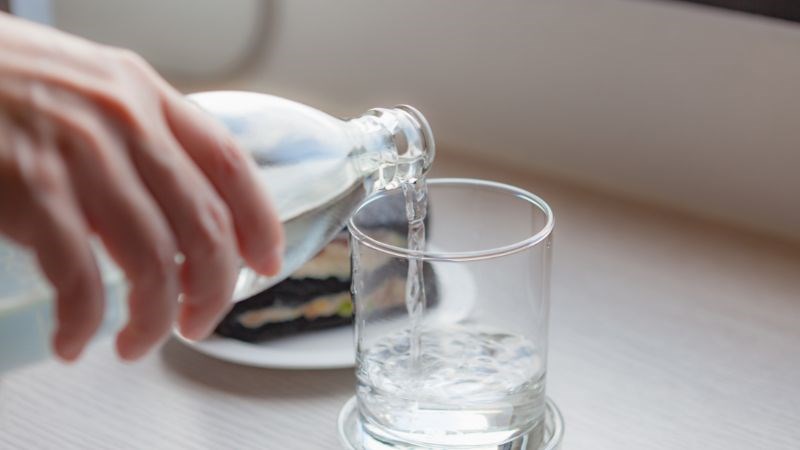
Why Does Everyone Talk About Eight Glasses?
The "eight glasses a day" idea has become one of the most recognizable hydration rules.
It is often interpreted as roughly eight 8-ounce glasses, or around 2 liters of water per day.
But this shouldn't be treated as a universal prescription for every person.
Your body gets water from multiple sources, including:
-
Plain water
-
Tea
-
Coffee
-
Milk
-
Soups
-
Fruits
-
Vegetables
-
Other foods and beverages
So when someone says they need a certain amount of "water," that doesn't necessarily mean they have to drink that exact amount as plain water.
Your total fluid needs are more complicated than a single number.
1. Your Water Needs Are Individual
One of the biggest mistakes people make is assuming everyone needs the same amount of water.
A person who spends the day sitting in an air-conditioned office has different hydration needs from someone working outdoors in hot weather.
Similarly, a small person and a much larger person won't necessarily have identical fluid requirements.
Your needs can be influenced by:
-
Body size
-
Physical activity
-
Temperature
-
Humidity
-
Sweating
-
Diet
-
Pregnancy or breastfeeding
-
Illness
-
Medications
-
Kidney function
-
Heart health
That's why there isn't one magic amount that works perfectly for everyone.
2. You Don't Have to Drink Plain Water All Day
Another common misconception is that only plain water "counts."
It doesn't work that way.
Water found in many foods and beverages contributes to your overall fluid intake.
Foods with substantial water content include:
-
Watermelon
-
Oranges
-
Strawberries
-
Cucumbers
-
Tomatoes
-
Lettuce
-
Soups
-
Broths
-
Yogurt
Tea and coffee also contain substantial amounts of water.
For most healthy adults, moderate caffeine consumption doesn't automatically cancel out the fluid provided by these beverages.
So if you enjoy tea or coffee, you don't necessarily need to replace every cup with plain water.
3. Drinking More Isn't Always Better
Hydration is important.
But that doesn't mean the more water you drink, the healthier you become.
Your kidneys constantly regulate the amount of water and electrolytes in your body.
Drinking excessive amounts of water in a short period can overwhelm the body's ability to maintain the proper balance of sodium and other electrolytes.
In extreme situations, this can lead to hyponatremia, a potentially serious condition in which blood sodium becomes dangerously diluted.
Symptoms can include:
-
Headache
-
Nausea
-
Vomiting
-
Confusion
-
Severe weakness
-
Muscle cramps
-
Seizures in severe cases
This is uncommon in everyday circumstances, but it demonstrates an important point:
More water isn't automatically better.
4. Don't Force Yourself to Drink Huge Amounts at Once
If you're trying to reach a specific daily target, you might be tempted to drink several large glasses in a short period.
That's usually unnecessary.
Your body generally handles fluids more comfortably when you spread them throughout the day.
Instead of:
"I haven't drunk anything all day, so I'll drink a liter right now."
try:
"I'll drink regularly throughout the day."
This can be easier on your body and more comfortable for your stomach.
5. Your Thirst Can Be Useful
For many healthy people, thirst is an important signal.
When your body needs more fluid, you may naturally become thirsty.
This doesn't mean you should wait until you're extremely thirsty before drinking.
But you also don't necessarily need to force yourself to drink continuously when you're not thirsty.
Pay attention to signals such as:
-
Thirst
-
Dry mouth
-
Darker urine
-
Reduced urination
-
Fatigue
-
Headache
-
Dizziness
These can occur with dehydration, although some can also have other causes.
6. Urine Color Can Give You a Rough Clue
Your urine can provide a useful, though imperfect, indication of hydration.
Very dark yellow urine can sometimes suggest that you need more fluids.
Pale yellow urine is often consistent with adequate hydration.
However, urine color can be affected by other factors, including:
-
Certain medications
-
Vitamins
-
Foods
-
Medical conditions
For example, some supplements can make urine bright yellow even when you're adequately hydrated.
So don't obsess over achieving completely clear urine.
Clear urine all the time isn't necessarily the goal.
7. Exercise Changes Your Water Needs
If you exercise, your fluid requirements may increase.
You lose water through:
-
Sweat
-
Breathing
-
Urine
The amount you lose depends on:
-
Exercise intensity
-
Duration
-
Temperature
-
Humidity
-
Clothing
-
Individual sweat rate
Someone exercising outdoors in hot weather may need significantly more fluid than someone doing a short workout indoors.
For longer or more intense exercise, replacing electrolytes may also become relevant because sweat contains sodium and other minerals.

8. Hot Weather Requires More Attention
Hot environments can increase fluid loss through sweating.
If you're spending hours outdoors in hot weather, eight glasses may not be enough.
You may need to drink more and pay attention to your body's signals.
This becomes particularly important during:
-
Outdoor work
-
Hiking
-
Running
-
Sports
-
Gardening
-
Beach trips
-
Long periods in the sun
Don't wait until you feel severely dehydrated.
Drink regularly and take breaks in cooler environments when possible.
9. Illness Can Increase Fluid Needs
Certain illnesses can cause significant fluid loss.
For example:
-
Fever
-
Vomiting
-
Diarrhea
-
Heavy sweating
can all increase the amount of water your body loses.
In these situations, simply drinking plain water may not always be enough.
Depending on the circumstances, electrolyte-containing fluids may be useful.
If vomiting or diarrhea is severe or persistent, especially in children, older adults, or people with chronic medical conditions, medical advice may be necessary.
10. Don't Ignore Dehydration Symptoms
Mild dehydration can cause symptoms such as:
-
Thirst
-
Dry mouth
-
Darker urine
-
Headache
-
Fatigue
-
Dizziness
-
Reduced urination
More significant dehydration can become much more serious.
Severe dehydration may lead to:
-
Confusion
-
Extreme weakness
-
Very little urination
-
Rapid heartbeat
-
Low blood pressure
-
Fainting
Severe symptoms require prompt medical attention.
11. Your Diet Contributes to Hydration
You don't get water only from drinks.
Many foods contain a significant amount of water.
For example:
Watermelon
Contains a high proportion of water and can contribute to overall fluid intake.
Cucumber
Another water-rich food that can be useful in hot weather.
Oranges
Provide both fluid and nutrients.
Soups
Can contribute substantial fluid, although some soups may contain a lot of sodium.
Yogurt
Contains water along with protein and other nutrients.
This is another reason why your overall diet matters when considering hydration.
12. Drinking Water With Meals Is Fine
Some people believe you shouldn't drink water while eating because it supposedly "dilutes stomach acid."
For most healthy people, there is no need to avoid drinking water with meals.
Water can actually make meals more enjoyable and can help you stay hydrated.
You can drink:
-
Before meals
-
During meals
-
After meals
There is no universal requirement to separate water from food.
13. Drinking Water First Thing in the Morning Is Fine—But Not Magical
You may have heard that drinking a large glass of water immediately after waking up will:
-
Flush toxins
-
Clean your liver
-
Boost metabolism
-
Burn fat
-
"Reset" your body
These claims are often exaggerated.
Your body already has organs responsible for processing waste, including the liver and kidneys.
However, drinking water in the morning is perfectly reasonable if you're thirsty.
It can also be a convenient way to begin your daily hydration routine.
Just don't think you need to drink an enormous amount immediately after waking.
14. You Don't Need to Wake Up During the Night Just to Drink Water
If you're healthy and adequately hydrated during the day, you generally don't need to set an alarm to drink water every few hours overnight.
In fact, drinking large amounts right before bed can cause you to wake up repeatedly to urinate.
Poor sleep can then leave you feeling tired the next day.
A better approach is to drink regularly throughout the day and reduce large amounts of fluid shortly before bedtime if nighttime urination is a problem.
15. Too Much Water Before Bed Can Disrupt Sleep
Water is important, but timing can matter.
If you drink several large glasses immediately before going to bed, you may wake up multiple times to use the bathroom.
Repeated nighttime urination can interfere with sleep quality.
If this happens regularly, try moving more of your fluid intake earlier in the day.
However, frequent nighttime urination can also have medical causes.
If you regularly wake multiple times every night to urinate, particularly if you're also extremely thirsty, discuss it with a healthcare professional.
16. Caffeine Doesn't Automatically Dehydrate You
Coffee and tea are sometimes described as dehydrating beverages.
The reality is more nuanced.
Caffeine has a mild diuretic effect, especially in people who aren't accustomed to it.
But caffeinated beverages still contain water and can contribute to overall fluid intake.
That doesn't mean you should replace all your water with energy drinks or extremely caffeinated beverages.
Moderation remains important.
17. Alcohol Is a Different Story
Alcohol can increase urine production and contribute to dehydration.
If you've been drinking alcohol, don't assume that your alcoholic beverages are adequately hydrating you.
If you're drinking alcohol, alternating with water can help you maintain fluid intake.
However, water won't eliminate the other health risks associated with excessive alcohol consumption.
18. Older Adults May Need to Pay Extra Attention
The sensation of thirst can become less reliable with age.
Older adults may therefore be at increased risk of dehydration, particularly during:
-
Hot weather
-
Illness
-
Fever
-
Vomiting
-
Diarrhea
-
Periods of reduced food or fluid intake
Caregivers should also pay attention to changes in fluid intake and urination.
At the same time, older adults with heart or kidney conditions may have specific fluid restrictions.
This is why individual medical advice is important.
19. Some Medical Conditions Change Your Fluid Needs
If you have certain medical conditions, the usual hydration advice may not apply.
For example, people with:
-
Advanced kidney disease
-
Certain heart conditions
-
Severe liver disease
-
Some endocrine disorders
may need individualized fluid recommendations.
Some medications can also affect fluid balance.
If your healthcare professional has told you to restrict fluids, don't follow a generic "drink eight glasses" rule without checking first.
Your prescribed fluid limit takes priority.
20. Don't Use Water as a Weight-Loss Shortcut
Water contains no calories, so replacing sugary beverages with water can certainly help reduce calorie intake.
But drinking excessive amounts of water doesn't directly "melt fat."
You don't need to drink huge quantities before meals or throughout the day to force weight loss.
A sustainable weight-management strategy is based on:
-
Balanced nutrition
-
Appropriate calorie intake
-
Physical activity
-
Adequate sleep
-
Long-term consistency
Water can support that lifestyle, but it isn't a magic fat-burning solution.
21. What Happens If You Don't Drink Enough?
If your body loses more water than you replace, dehydration can occur.
Early signs may include:
-
Thirst
-
Dry mouth
-
Dark urine
-
Fatigue
-
Headache
-
Dizziness
If dehydration becomes severe, it can affect circulation and other important body functions.
This is why adequate fluid intake matters.
But remember:
"Enough" is different from "as much as possible."
22. A Better Way to Stay Hydrated
Instead of obsessing over eight glasses, create simple hydration habits.
Start Your Day
Drink water when you wake if you're thirsty.
Keep Water Nearby
Having a bottle within reach makes drinking regularly easier.
Drink With Meals
A glass of water with meals is an easy habit.
Drink Before and After Exercise
Increase your fluid intake around physical activity according to your needs.
Eat Water-Rich Foods
Include fruits and vegetables regularly.
Pay Attention to Your Body
Use thirst, urine color, activity, and environmental conditions as practical clues.
A Simple Hydration Schedule
You don't have to follow an exact schedule, but this example can make hydration easier.
Morning
Have a glass of water with or after breakfast.
Mid-Morning
Drink according to thirst.
Lunch
Have water with your meal.
Afternoon
Keep water available, especially if you're physically active.
Exercise
Drink before, during, and after exercise according to the intensity and duration.
Dinner
Have water with your meal.
Evening
Drink as needed, but avoid excessive amounts right before bed if nighttime urination is an issue.
The goal is consistency, not hitting an arbitrary number.
What If You Hate Drinking Plain Water?
You don't necessarily have to force yourself to drink plain water all day.
Try:
-
Sparkling water
-
Unsweetened tea
-
Water with lemon or lime
-
Water infused with cucumber
-
Water with fresh fruit
-
Broth
-
Water-rich fruits and vegetables
Just be mindful of added sugar in flavored drinks.
What About Electrolyte Drinks?
Electrolyte beverages can be useful in certain circumstances, particularly during prolonged or intense exercise, heavy sweating, or some illnesses.
But most healthy people doing ordinary daily activities don't necessarily need sports drinks.
Many commercial electrolyte drinks contain:
-
Added sugar
-
Significant sodium
-
Extra calories
For everyday hydration, plain water and a balanced diet are often sufficient.
What About Drinking Water During Exercise?
For short, moderate exercise sessions, drinking according to thirst may be enough for many people.
For longer workouts or exercise in extreme heat, your fluid and electrolyte needs may increase.
Avoid both extremes:
Don't ignore thirst.
But also:
Don't force yourself to drink enormous amounts simply because you're exercising.
A sensible approach is to understand your own sweat rate and adjust fluid intake accordingly.
A Quick Guide to Your Hydration
Think of hydration as a moving target rather than a fixed number.
You may need more fluid when:
-
It's hot
-
You're exercising
-
You're sweating heavily
-
You have a fever
-
You have vomiting or diarrhea
-
You're pregnant or breastfeeding
-
You're spending extended time outdoors
You may need individualized limits when:
-
You have certain kidney conditions
-
You have certain heart conditions
-
You have significant liver disease
-
Your doctor has prescribed fluid restriction
This is why the "eight glasses for everyone" idea is too simplistic.
The Bottom Line
Drinking eight glasses of water every day isn't necessarily wrong.
The problem is treating eight glasses as a universal medical requirement.
Your actual fluid needs can vary depending on your body, activity level, climate, diet, health conditions, medications, and how much fluid you get from food and other beverages.
Instead of forcing yourself to hit a specific number, focus on practical habits:
Drink regularly throughout the day.
Drink more when you're losing more fluid.
Eat water-rich foods.
Pay attention to thirst and other signs of dehydration.
Avoid excessive water consumption.
Don't ignore medical advice if you've been told to restrict fluids.
And remember that water doesn't need to be complicated.
You don't need a special detox water, an expensive hydration powder, or a giant bottle with motivational quotes to stay hydrated.
For most healthy people, the goal is simply to drink enough to meet your body's needs without obsessing over an arbitrary number.
So if you've been struggling to drink exactly eight glasses every day, don't panic.
Your body isn't a measuring cup. Hydration is about balance, not perfection.