
Drinking Coffee Every Morning: The Benefits and Risks You Should Know
What Happens to Your Body When You Drink Coffee Every Morning?
⏱️ 1 min read 21/08/2026 11:55
Carrot juice has become a popular addition to many healthy eating routines. Its bright orange color, naturally sweet flavor, and concentrated supply of nutrients make it an appealing alternative to sugary drinks.
But what actually happens if you drink carrot juice every day?
The answer is more nuanced than many social-media health claims suggest. Carrot juice can provide important nutrients, particularly beta-carotene, a precursor of vitamin A. It may also contribute potassium and other plant compounds to the diet.
At the same time, juicing changes the nutritional profile of carrots. Juice contains less fiber than a whole carrot, and it can be surprisingly easy to consume a large amount of natural sugar and calories in a short period.
So, daily carrot juice can fit into a healthy diet—but how much you drink and what else you eat matters.

One of the most notable nutrients in carrots is beta-carotene, a carotenoid that the body can convert into vitamin A.
Vitamin A plays important roles in:
Vision
Immune function
Skin health
Normal cell growth
Reproductive health
The body regulates the conversion of beta-carotene into vitamin A according to its needs.
This is one reason orange and yellow vegetables are often included in diets designed to provide adequate vitamin A precursors.
Carrots have long been associated with good eyesight, largely because of their beta-carotene content.
Vitamin A is essential for normal vision, particularly for the functioning of the retina and adaptation to low-light conditions.
However, there is an important distinction:
Carrot juice supports normal nutritional needs; it does not magically restore eyesight or eliminate common eye diseases.
If someone already has an eye condition, drinking carrot juice should not replace an eye examination or prescribed treatment.
Carrots contain several carotenoids and other plant compounds.
These substances can participate in antioxidant activity in the body.
Antioxidants help protect cells from oxidative stress caused by reactive molecules.
This doesn't mean that carrot juice "detoxes" the body or removes all harmful substances.
Your liver and kidneys already perform the body's major detoxification and waste-removal functions.
A better way to think about carrot juice is as one source of beneficial plant compounds within an overall healthy diet.
Vitamin A has an important role in normal immune function.
Adequate vitamin A helps maintain the integrity of tissues that act as barriers against infection and supports various immune processes.
Carrot juice can therefore contribute to vitamin A intake through its beta-carotene content.
But drinking more carrot juice doesn't automatically make the immune system stronger.
Immune health depends on a much broader combination of factors, including:
Adequate nutrition
Sleep
Physical activity
Vaccination
Stress management
Management of chronic diseases
Carrots contain potassium, an essential mineral involved in:
Muscle contraction
Nerve signaling
Fluid balance
Normal blood pressure regulation
A diet rich in fruits and vegetables can contribute significantly to potassium intake.
For most people, getting nutrients from a variety of whole foods is preferable to relying on a single drink.
Vegetable-rich diets are consistently associated with better cardiovascular health.
Carrot juice can contribute to this pattern because it provides plant compounds and nutrients without the saturated fat found in many animal-based foods.
Some research has investigated whether carrot consumption may influence markers such as blood pressure and cholesterol, but this does not mean carrot juice alone prevents heart disease.
The overall dietary pattern matters much more.
Potassium is important for maintaining normal blood pressure.
For people who consume too much sodium and too little potassium, increasing potassium-rich foods can be helpful.
Carrot juice can contribute some potassium.
However, anyone with high blood pressure should not stop prescribed medication and replace it with carrot juice.
Lifestyle changes, including a diet rich in vegetables, can complement medical treatment but shouldn't substitute for it.
Vitamin A is important for normal skin maintenance.
Because carrots provide beta-carotene, they can contribute to vitamin A nutrition.
A balanced diet containing vegetables, fruits, protein, healthy fats, and adequate fluids is generally more important for skin health than any single juice.
Carrot juice isn't a proven treatment for acne, wrinkles, eczema, or other skin conditions.
There's an interesting effect that can happen when someone consumes very large amounts of beta-carotene-rich foods.
The skin can develop a yellow-orange coloration called carotenemia.
It is generally harmless and differs from jaundice.
The color is often most noticeable on:
Palms
Soles of the feet
Areas around the nose
It usually improves after reducing intake of beta-carotene-rich foods.
Moderate carrot consumption doesn't typically cause this effect.
This is one of the most important points.
When you juice carrots, much of the solid material is removed.
That means carrot juice generally contains far less fiber than whole carrots.
Fiber contributes to:
Digestive health
Satiety
Blood-sugar regulation
Healthy cholesterol levels
A healthy gut microbiome
So if you're choosing between eating whole carrots and drinking carrot juice, whole carrots offer an important nutritional advantage.
Imagine eating several carrots.
You have to chew them, and their fiber and volume take up space in your stomach.
Now imagine drinking the juice made from those same carrots.
You can consume the equivalent amount of produce much more quickly.
This is one reason juice can be less filling than whole vegetables.
If you're trying to manage your weight, whole carrots may be a better everyday choice.
Carrots contain natural carbohydrates.
When you juice them, those carbohydrates become concentrated in a relatively small volume.
This doesn't make carrot juice equivalent to soda or candy.
But "natural sugar" is still sugar.
If you drink large quantities, you can consume more carbohydrate and calories than you may realize.
This matters particularly for people monitoring blood glucose or total calorie intake.
Carrot juice may affect blood glucose differently from whole carrots because juicing removes much of the fiber.
The exact response depends on:
Portion size
Whether other foods are eaten with it
Individual metabolism
The specific juice preparation
People with diabetes or insulin resistance should pay attention to portion size and consider discussing regular juice consumption with their healthcare team.
You don't need a huge glass of carrot juice to benefit from its nutrients.
A modest serving can provide carotenoids without making juice a major source of daily calories.
Instead of drinking a large bottle every day, consider a smaller portion alongside a meal.
Carotenoids are fat-soluble compounds.
Eating them with a meal containing some healthy fat can improve carotenoid absorption.
For example, carrot juice could accompany a meal containing:
Avocado
Nuts
Seeds
Olive oil
Eggs
Fish
You don't need a large amount of fat—just including a balanced meal can support absorption.
Not everyone converts beta-carotene into vitamin A with the same efficiency.
Genetics, nutritional status, food preparation, and individual metabolism can influence how much vitamin A the body ultimately produces.
This is another reason not to think of carrot juice as a guaranteed way to increase vitamin A to a specific level.

This is one of the more common claims surrounding vegetable juices.
There is no good reason to believe that drinking carrot juice will "flush toxins out of the liver."
Your liver already processes numerous substances every day.
A healthy diet can support normal liver function, but no single juice performs a magical detoxification process.
If you have liver disease, follow your healthcare professional's advice rather than relying on juice cleanses.
Another common phrase used in juice marketing is that a particular drink "cleans the blood."
That's not how human physiology works.
Your kidneys, liver, lungs, gastrointestinal tract, and other systems continuously regulate and remove metabolic waste.
Carrot juice provides nutrients.
It doesn't literally purify your blood.
Carrot juice contains very little fiber compared with whole carrots.
Therefore, it isn't necessarily the best option if your goal is specifically to increase dietary fiber.
For digestive health, whole carrots are generally more useful.
Other excellent sources of fiber include:
Beans
Lentils
Oats
Whole grains
Berries
Apples
Leafy vegetables
Nuts
Seeds
Because carrot juice contains relatively little fiber, it shouldn't be considered a primary treatment for constipation.
If constipation is a problem, focus on:
Adequate fluid intake
Fiber-rich foods
Regular physical activity
A consistent bathroom routine
If constipation persists, becomes severe, or is accompanied by blood, unexplained weight loss, vomiting, or significant abdominal pain, medical evaluation is appropriate.
No.
There is no drink that instantly "boosts" immunity in a way that prevents every infection.
The immune system is a complex network involving many organs, cells, proteins, and signaling pathways.
Nutrition supports normal immune function over time.
Carrot juice can contribute useful nutrients, but it shouldn't be marketed as an immune cure.
Carrot juice sometimes appears in weight-loss plans because it's relatively low in fat and can provide nutrients.
But drinking juice doesn't automatically cause fat loss.
Weight management depends primarily on overall energy balance, dietary quality, physical activity, sleep, and other factors.
Because juice is less filling than whole vegetables, replacing meals with large amounts of juice may actually make it harder for some people to control hunger.
If your goal is to stay full while controlling calorie intake, whole carrots have several advantages.
They provide:
Fiber
Water
Volume
Chewing time
These characteristics can contribute to satiety.
A crunchy carrot may be more filling than the same vegetable consumed as juice.
For most healthy adults, a moderate amount of carrot juice can fit into a balanced diet.
The key is moderation and variety.
You don't need to drink carrot juice every day to obtain beta-carotene.
Other sources include:
Sweet potatoes
Pumpkin
Spinach
Kale
Winter squash
Red and orange peppers
Other colorful vegetables
A varied diet gives you a broader range of nutrients.
Freshly prepared carrot juice can contain few or no added ingredients, depending on how it's made.
Commercial products vary.
Some may contain:
Added sugar
Fruit juice concentrates
Salt
Preservatives
Other vegetable juices
Check the nutrition label.
Ideally, choose a product where carrots are the primary ingredient and added sugar is minimal or absent.
Fresh juice can become contaminated if equipment isn't properly cleaned.
Juicers contain multiple components where food residue can remain.
Wash:
Blades
Containers
Filters
Cutting surfaces
Hands
after use.
If you're making juice for someone with a weakened immune system, food-safety precautions become even more important.
Fresh juice doesn't have the same shelf life as commercially processed juice.
If you prepare it at home, refrigerate it promptly and follow appropriate food-safety practices.
Don't leave fresh juice sitting at room temperature for extended periods.
Organic and conventional carrots can both be nutritious.
Choosing organic may reduce exposure to certain agricultural chemicals, but conventional produce is also subject to food-safety regulations.
The more important factor is whether you're consuming enough fruits and vegetables overall.
If organic produce is too expensive, conventional carrots are still a nutritious choice.
Some studies have investigated associations between carrot intake and cardiovascular markers.
Carrots contain fiber and plant compounds that may contribute to a heart-healthy diet.
But juicing removes much of the fiber.
Therefore, if cholesterol management is your goal, eating whole vegetables, legumes, oats, nuts, and other fiber-rich foods is generally a stronger strategy than relying on carrot juice.
Carrots contain antioxidants and carotenoids that researchers continue to investigate in relation to overall health.
However, claims that carrot juice dramatically improves memory or prevents dementia are not supported by strong evidence.
Brain health depends on many factors, including:
Blood pressure
Exercise
Sleep
Social engagement
Nutrition
Smoking
Alcohol consumption
Cardiovascular health
No single juice can substitute for these habits.
Adequate vitamin A is important for vision.
But if someone has:
Cataracts
Glaucoma
Macular degeneration
Diabetic eye disease
carrot juice isn't a treatment.
Regular eye examinations and appropriate medical care remain essential.
Yes.
More isn't necessarily better.
Large amounts over time can contribute to excessive beta-carotene intake and potentially cause carotenemia.
High juice consumption can also increase overall sugar and calorie intake.
For some people, large quantities may cause digestive discomfort.
Carrot juice can be part of a balanced eating pattern for some people with diabetes.
But because juicing removes much of the fiber, drinking a large serving may have a more noticeable effect on blood glucose than eating whole carrots.
If you monitor blood sugar, pay attention to your individual response.
Carrots contain potassium.
For most healthy people, that's beneficial.
But people with certain kidney diseases may be advised to limit potassium intake.
If you have chronic kidney disease or have been told to follow a potassium-restricted diet, don't assume that a vegetable juice is automatically appropriate.
Carrot juice isn't known for the same broad range of drug interactions associated with some concentrated herbal supplements.
Nevertheless, people taking multiple medications or managing chronic diseases should discuss major dietary changes with their healthcare professionals.
This is particularly important if you're using large amounts of juice as part of a restrictive diet.
If you want to make vegetable juice part of your diet, variety is useful.
You might combine carrots with small amounts of:
Cucumber
Celery
Spinach
Ginger
Tomato
Lemon
But remember that adding fruit can substantially increase the sugar content.
A vegetable-heavy combination may be more appropriate for people trying to limit sugar.
Instead of treating carrot juice like medicine, think of it as a food.
For example:
Breakfast: Eggs + whole-grain toast + vegetables
Lunch: Beans or fish + salad + whole grains
Afternoon: A small glass of carrot juice
Dinner: Lean protein + vegetables + healthy fats
This approach gives you nutrients from multiple sources.
This is perhaps the biggest dietary lesson.
Juice can be convenient.
But whole vegetables generally provide:
More fiber
More chewing
Greater satiety
A slower eating experience
If you enjoy carrot juice, there's no reason to eliminate it.
Just make sure it complements rather than replaces whole vegetables.
If you drink a modest amount of carrot juice regularly as part of a balanced diet, you may simply be increasing your intake of beta-carotene and other plant compounds.
You shouldn't necessarily expect dramatic physical changes.
Healthy nutrition often works quietly.
The benefits come from consistent dietary patterns over time rather than one miracle ingredient.
Instead of asking:
"What disease can carrot juice prevent?"
ask:
"Does carrot juice help me build a more nutritious diet?"
If you enjoy it and it fits your nutritional needs, it can be a useful addition.
But if drinking juice makes you consume fewer whole vegetables or adds unnecessary sugar and calories, it may not be the best choice.
Consider these questions:
Check the ingredient list.
Choose products without unnecessary added sweeteners.
A huge glass isn't necessary.
Don't let juice replace them.
Discuss regular consumption with your healthcare professional if appropriate.
Excessive beta-carotene can cause a yellow-orange tint.
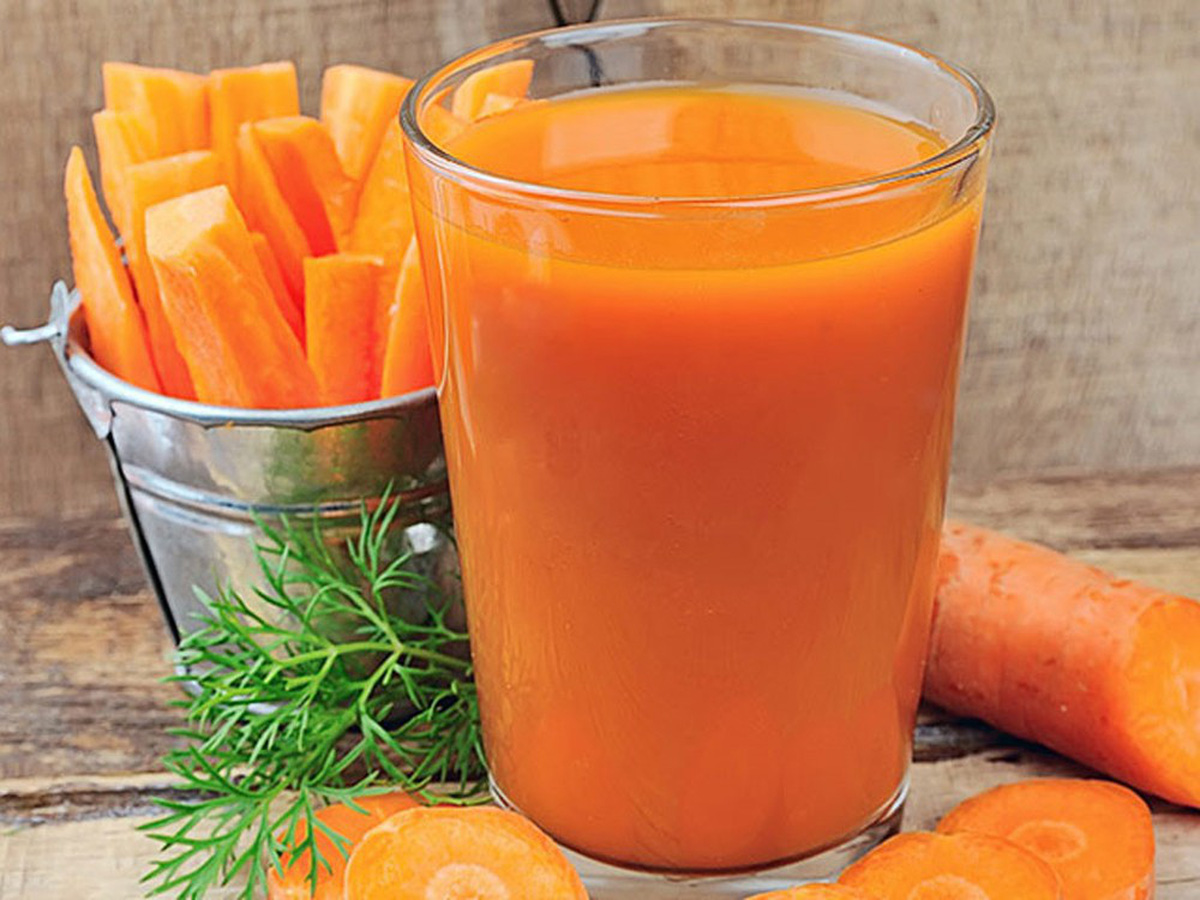
Drinking carrot juice every day can be a nutritious habit for many people when consumed in moderation.
Its biggest nutritional advantage is its concentration of beta-carotene, which the body can convert into vitamin A. This nutrient supports normal vision, immune function, skin health, and other essential processes.
Carrot juice also provides potassium and various plant compounds.
But there are limitations.
Juice contains much less fiber than whole carrots.
It can concentrate natural sugars and calories.
It isn't a detox drink or a cure for disease.
More isn't necessarily better.
For most people, the healthiest approach is to treat carrot juice as one small component of a varied diet rather than a daily medicine.
There is a reason carrots have remained a staple of healthy diets for generations. They're affordable, versatile, naturally sweet, and rich in valuable plant compounds.
Turning them into juice can be a convenient way to consume some of those nutrients, especially for people who enjoy the taste.
But don't let the bright orange color and impressive health claims turn carrot juice into a "miracle drink."
Whole carrots still deserve a place on your plate.
If you enjoy carrot juice, a moderate serving can complement a diet that already includes plenty of vegetables, fruits, whole grains, legumes, protein, and healthy fats.
And if you have a specific medical condition—particularly diabetes or kidney disease—consider your individual nutritional needs before making daily juice a routine.
The real secret isn't drinking one perfect beverage every morning.
It's building a balanced eating pattern that you can maintain for years.
What Happens to Your Body When You Drink Coffee Every Morning?
A Simple Natural Remedy for Coughs, Sinus Congestion, and Sore Throats
Fan On While Sleeping? 7 Ways It May Affect Your Health
Drinking Coconut Water? Here Are 18 Surprising Facts You Should Know
Trying to Lose Weight, She Ate Eggs at Every Meal for 5 Months. Her Medical Checkup Left Doctors Stunned
THE MOST POTENT HERB THAT DESTROYS PARASITES, URINARY TRACT …
What happens when you drink water first thing in the morning? The answer may surprise you.
The ONE question to ask before agreeing to a colonoscopy.
Why Garlic Has Been Studied for Its Potential Health Benefits?
One Digestive Symptom That Deserves More Attention
Kevin Was Born Remarkably Large But Later Chose a Life Far From the Spotlight
What Happens to Your Body When You Drink Coffee Every Morning?
Why This Amber-Colored Tool Is Getting Attention From People With Foot Pain?
When spoiled heiress Jenny breaks down on a stormy highway, the rugged biker she once judged as trouble becomes her only savior-sparking an unexpected romance that challenges everything she thought she knew about love.
A heartbreaking farewell became an unforgettable moment of love and hope.
A Simple Natural Remedy for Coughs, Sinus Congestion, and Sore Throats
Fan On While Sleeping? 7 Ways It May Affect Your Health
When wealthy, high-maintenance Jenny repeatedly witnesses an intimidating biker named Kai performing random acts of kindness, her curiosity leads her straight to his workshop—and into an unexpected connection.
Remembering a Life Lost: A Community’s Search for Justice and Hope
Drinking Coconut Water? Here Are 18 Surprising Facts You Should Know
Trying to Lose Weight, She Ate Eggs at Every Meal for 5 Months. Her Medical Checkup Left Doctors Stunned
THE MOST POTENT HERB THAT DESTROYS PARASITES, URINARY TRACT …
What happens when you drink water first thing in the morning? The answer may surprise you.
The ONE question to ask before agreeing to a colonoscopy.
Why Garlic Has Been Studied for Its Potential Health Benefits?
One Digestive Symptom That Deserves More Attention