When people think about protecting their bones, they often focus on getting enough calcium, vitamin D, protein, and exercise. But there is another part of the equation that is easy to overlook: what you drink every day.
Beverages can contribute useful nutrients to your diet, but some drinks may be less helpful when they are consumed frequently or when they replace calcium-rich foods and beverages.
This does not mean that having an occasional soda, coffee, or alcoholic drink will automatically weaken your bones. Bone health is influenced by many factors, including age, genetics, physical activity, hormone levels, smoking, overall nutrition, and certain medical conditions.
Still, if you regularly consume certain beverages in large amounts, it may be worth taking a closer look at your habits.
Here are three common types of beverages that deserve some attention when you're thinking about long-term bone health.

1. Sugary Soft Drinks
Soft drinks are among the beverages most frequently discussed when it comes to bone health.
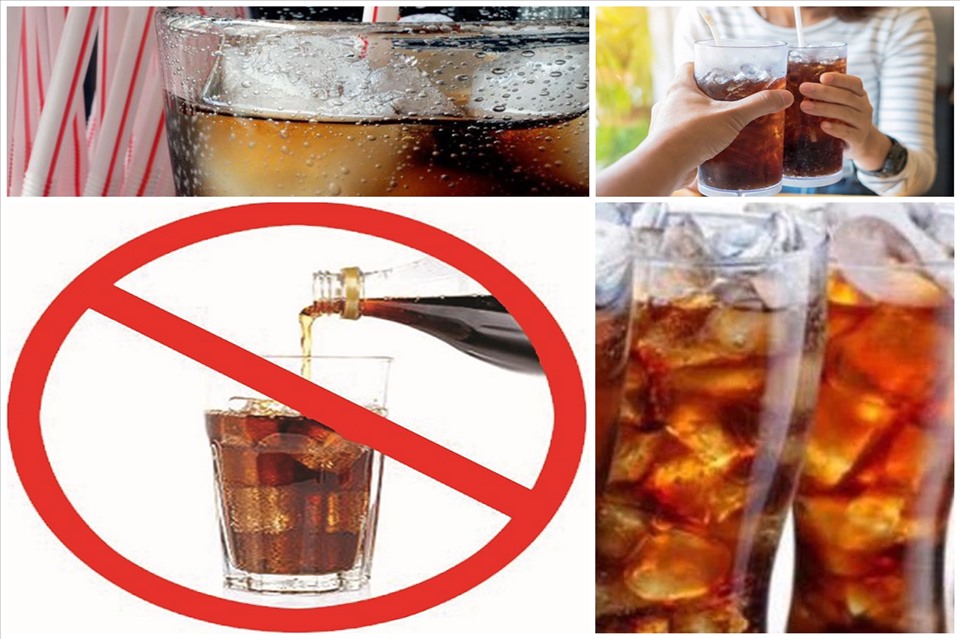
Cola and other sweetened carbonated drinks can contain substantial amounts of added sugar while providing little or no calcium, vitamin D, or other nutrients important for maintaining healthy bones.
The bigger concern may not be that a single glass of soda directly "pulls calcium out" of your bones.
Instead, the issue can be what the drink replaces.
If someone regularly chooses soda instead of milk, fortified plant-based beverages, or other nutritious options, their overall intake of calcium and other essential nutrients may become lower.
Over time, consistently falling short of nutritional needs can make it more difficult to support normal bone maintenance.
What about the carbonation?
A common belief is that carbonation itself causes bones to lose calcium.
The situation is more complicated.
Carbonation alone isn't necessarily the main problem. Research has particularly examined cola beverages and possible associations with lower bone density, but several factors may be involved.
For example, people who consume large amounts of soft drinks may also have dietary patterns that provide less calcium or other nutrients.
So rather than worrying about every carbonated beverage, it makes more sense to consider the overall quality and balance of your diet.
2. Excessive Alcohol
A drink with dinner may be part of many people's routines, but regular heavy alcohol consumption can be harmful to overall health, including bone health.
The relationship between alcohol and bones is especially important because bone tissue is constantly being broken down and rebuilt.
Heavy alcohol use can interfere with several processes involved in maintaining healthy bones.
It may affect:
-
Calcium balance
-
Vitamin D metabolism
-
Hormonal regulation
-
Nutrition and nutrient absorption
-
Bone formation
-
Muscle strength and coordination
There is also another indirect concern.
Excessive alcohol consumption can increase the risk of falls and injuries. For someone with fragile bones, a fall can have serious consequences.
This is particularly relevant as people get older, when bone density naturally tends to decline and fractures can become more concerning.
Moderation matters
This doesn't mean that everyone must completely avoid alcohol to protect their bones.
The important distinction is between occasional or moderate consumption and excessive drinking.
If you drink heavily or frequently, reducing alcohol intake can provide benefits far beyond bone health.
If you're concerned about how much alcohol you're consuming, discussing your drinking pattern with a healthcare professional can be a useful starting point.
3. Large Amounts of Highly Caffeinated Drinks
Coffee and tea aren't automatically bad for your bones.
In fact, many people can enjoy moderate amounts of caffeine as part of a balanced diet.
The concern is more relevant when caffeine intake becomes excessive, particularly when caffeinated beverages replace nutrient-rich drinks or when the overall diet is low in calcium.
Caffeine can cause a small increase in calcium excretion through urine. For most people consuming a balanced diet, this effect is generally not considered a major problem.
However, consistently consuming very large amounts of caffeine while getting inadequate calcium may be less favorable for bone health.
Energy drinks can be another consideration.
Some contain substantial amounts of caffeine and added sugar while offering little nutritional value.
Someone who drinks several energy drinks a day may be consuming a significant amount of caffeine and sugar without receiving nutrients that support the body's nutritional needs.
The Bigger Issue May Be What You're NOT Drinking
One of the most important ideas to understand is that bone health isn't simply about identifying a "bad" beverage.
It's also about making sure your diet contains enough of the nutrients your body needs.
Calcium is essential for normal bone structure and maintenance.
Good dietary sources include:
-
Milk
-
Yogurt
-
Cheese
-
Calcium-fortified plant-based beverages
-
Calcium-set tofu
-
Some fish eaten with their bones
-
Certain leafy green vegetables
-
Fortified foods
Vitamin D is also important because it helps the body absorb calcium.
Depending on your diet and individual circumstances, vitamin D may come from sunlight exposure, fortified foods, fatty fish, eggs, or supplements when recommended by a healthcare professional.
Your Bones Need More Than Calcium
It's easy to think of calcium as the entire story.
It isn't.
Healthy bones depend on a combination of nutrients and lifestyle factors.
Protein
Protein provides building blocks needed for many tissues, including bone.
Vitamin D
Vitamin D helps regulate calcium absorption and bone metabolism.
Magnesium
Magnesium participates in numerous biological processes related to bone structure and metabolism.
Vitamin K
Vitamin K is involved in proteins associated with bone health.
Physical activity
Weight-bearing and resistance exercises can help maintain bone strength and muscle function.
This is why replacing one beverage isn't a magic solution.
Bone health comes from a pattern of habits over time.
What Happens When You Replace a Problematic Drink?
One of the easiest improvements may simply be choosing a more nutritious beverage more often.
Instead of reaching automatically for a sugary soft drink, you might choose:
Water
Water is essential for hydration and contains no added sugar or caffeine.
Milk
Milk provides calcium and protein, and many varieties are fortified with vitamin D.
Fortified plant-based beverages
Some soy, almond, oat, or other plant-based beverages are fortified with calcium and vitamin D. Check the nutrition label because formulations vary considerably.
Unsweetened tea
Tea can provide hydration without the large amount of added sugar found in many soft drinks.
The goal isn't perfection.
It's to make the healthier choice the usual choice.
Be Careful With "Healthy" Drinks, Too
Not every beverage marketed as healthy is necessarily a good everyday option.
Some flavored drinks, bottled coffees, smoothies, and sports beverages can contain significant amounts of added sugar.
Reading the nutrition label can reveal information that isn't obvious from the front of the package.
Look at:
-
Added sugars
-
Calcium
-
Vitamin D
-
Caffeine
-
Protein
-
Serving size
A drink doesn't have to be completely free of sugar or caffeine to fit into a healthy diet.
What matters is the overall pattern and quantity.
Bone Health Becomes More Important With Age
Bones naturally change throughout life.
During childhood and adolescence, the body builds bone rapidly.
Bone mass generally reaches its peak in early adulthood, after which maintaining bone becomes increasingly important.
As people age, bone loss can accelerate, particularly during and after menopause for many women.
Men can also experience age-related bone loss.
This is why habits that support bone health shouldn't begin only after a fracture or diagnosis.
Regular physical activity, adequate nutrition, and appropriate medical screening can become increasingly important with age.
What About People Over 50 or 60?
Older adults should pay particular attention to getting enough calcium, vitamin D, protein, and other nutrients.
At the same time, they may need to be more cautious about excessive alcohol consumption and excessive caffeine, especially if these habits interfere with sleep, nutrition, medications, or balance.
Another important issue is hydration.
Older adults may not always feel thirst as strongly as younger people, making regular fluid intake important.
Water remains one of the simplest everyday beverage choices.
Don't Blame One Drink for Every Bone Problem
It's important to avoid exaggerated claims.
If someone develops osteoporosis, the cause is rarely one particular beverage.
Bone health is influenced by a complex combination of:
-
Genetics
-
Age
-
Hormonal changes
-
Nutrition
-
Physical activity
-
Smoking
-
Alcohol consumption
-
Certain medications
-
Medical conditions
-
Previous fractures
Removing soda from your diet, for example, won't magically reverse osteoporosis.
Likewise, drinking milk doesn't guarantee that you'll never develop a bone problem.
The healthiest approach is to look at the whole picture.
Simple Changes That Can Make a Difference
You don't need to completely redesign your lifestyle overnight.
Start with small changes.
If you drink several sugary beverages every day, replace one with water.
If you rely heavily on energy drinks, gradually reduce your intake and choose lower-caffeine alternatives.
If you drink alcohol frequently, consider reducing the amount and frequency.
If your diet contains little calcium, add a calcium-rich food or fortified beverage to your daily routine.
And try to include regular weight-bearing activity, such as walking, stair climbing, dancing, or resistance training when appropriate for your health and fitness level.
Small habits repeated consistently can be more realistic than dramatic changes that don't last.
When Should You Talk to a Doctor?
If you're concerned about your bone health, especially if you have risk factors for osteoporosis, talk with a healthcare professional.
You may want to discuss your risk if you:
-
Have experienced a fracture from a minor fall or injury
-
Have a family history of osteoporosis
-
Have significant risk factors for bone loss
-
Take medications that can affect bone density
-
Have experienced significant changes in mobility or height
-
Are concerned about your calcium or vitamin D intake
A healthcare professional can determine whether you need further evaluation, including a bone-density test.
Don't rely on symptoms alone.
Osteoporosis can develop silently, without obvious warning signs, until a fracture occurs.
A Practical Daily Beverage Strategy
A simple approach is to make water your primary beverage and include nutritious drinks when they fit your dietary needs.
For example:
Morning: Water, coffee, or tea in moderation.
With meals: Water or a calcium-fortified beverage.
During exercise: Water for many ordinary workouts; specialized drinks may be appropriate in certain situations involving prolonged or intense exercise.
Evening: Water or an unsweetened beverage rather than automatically reaching for a sugary drink.
This isn't a strict prescription.
It's simply a framework that can make healthier choices easier.

The Bottom Line
There isn't a single beverage that suddenly causes your bones to lose their strength.
However, regularly consuming large amounts of sugary soft drinks, excessive alcohol, or highly caffeinated beverages may be worth reconsidering, particularly when these drinks replace nutritious foods and beverages or contribute to an overall diet that is low in calcium and other essential nutrients.
The goal isn't to become afraid of coffee, soda, or an occasional alcoholic drink.
Instead, think about your long-term pattern.
Are most of your beverages helping you stay hydrated and meet your nutritional needs?
Are you getting enough calcium and vitamin D?
Are you physically active?
Are you limiting smoking and excessive alcohol?
Are you maintaining a balanced diet?
Those questions are much more important than blaming one drink.
Your bones are living tissue, and protecting them is a long-term process. Choosing nutritious beverages more often, staying active, and making sure your overall diet provides the nutrients your body needs can all contribute to better bone health as you get older.