Protein Is Also Important
Bone isn't made only of minerals.
Protein provides an important structural component of bone and supports muscles that help protect the skeleton.
Adequate protein intake becomes especially important as people age because maintaining muscle mass and strength can help support balance and mobility.
This matters because fractures in older adults are often related not only to bone weakness but also to falls.
A nutritious diet that provides enough protein can therefore be part of a broader strategy for healthy aging.
Exercise May Be One of the Most Overlooked Factors
You can pay close attention to what you drink and still overlook one of the most important lifestyle factors for maintaining strong bones:
physical activity.
Weight-bearing and resistance exercises place healthy stress on bones and muscles.
Examples include:
-
walking
-
climbing stairs
-
jogging, when appropriate
-
dancing
-
resistance training
-
strength exercises
-
and other weight-bearing activities
Exercise should be appropriate for your age and health status.
People with osteoporosis or a history of fractures may need individualized exercise guidance from a healthcare professional.
But in general, staying physically active is an important part of maintaining bone and muscle health throughout life.
Smoking and Alcohol Can Matter More Than One Beverage
When people worry about a particular drink, they sometimes overlook other well-established risk factors.
Smoking is associated with poorer bone health and increased fracture risk.
Heavy alcohol consumption can also negatively affect bone health and increase the likelihood of falls and injuries.
Certain medications, particularly long-term use of glucocorticoids, can also increase osteoporosis risk.
Other factors include:
-
older age
-
menopause
-
low body weight
-
family history of osteoporosis
-
certain endocrine disorders
-
gastrointestinal diseases that interfere with nutrient absorption
-
kidney disease
-
and some other chronic conditions
This illustrates why bone health is a long-term issue rather than something determined by a single food or drink.
What Should You Drink Instead?
There is no need to eliminate every beverage you enjoy.
For everyday hydration, water is one of the simplest choices.
Depending on your nutritional needs, other options may include:
-
plain or sparkling water
-
unsweetened tea
-
milk
-
fortified plant-based milk alternatives
-
and other beverages that fit your overall diet
If you enjoy soda or another sweetened drink, having it occasionally is very different from consuming large quantities every day.
A useful strategy is to make nutrient-rich beverages your routine choices and keep heavily sweetened drinks as occasional options.
Read the Label Before Assuming a Drink Is Healthy
Two beverages that look similar can have very different nutritional profiles.
When buying drinks, check:
Added sugar:
Some beverages contain surprisingly large amounts.
Caffeine:
This can vary considerably between products.
Calcium and vitamin D:
Fortified beverages may provide meaningful amounts.
Sodium:
Certain processed beverages can contain more sodium than expected.
Serving size:
A bottle may contain multiple servings even if it looks like a single drink.
Reading the nutrition label can give you a much clearer picture than a health claim printed on the front of the package.
Don't Fall for the “One Food Is Destroying You” Message
Health headlines often become more dramatic than the underlying evidence.
You may see claims that a particular drink “leaches calcium from your bones,” “destroys your skeleton,” or “causes osteoporosis.”
These statements are usually far more absolute than the scientific evidence supports.
Bone health develops over years and depends on multiple interacting factors.
One beverage isn't likely to determine the condition of your skeleton by itself.
At the same time, that doesn't mean dietary habits are irrelevant.
If someone drinks large amounts of sugary beverages every day, consumes very little nutritious food, rarely exercises, smokes, and has other risk factors, the overall pattern deserves attention.
The goal is not fear.
The goal is balance.
When Should You Be Concerned About Your Bones?
Bone loss can occur silently.
Osteoporosis is sometimes called a “silent disease” because people may not notice symptoms until a fracture occurs.
That's why certain people may benefit from discussing bone-density screening with a healthcare professional.
This is particularly important for people with recognized risk factors such as older age, postmenopausal status, previous fractures, certain medications, or conditions associated with bone loss.
Don't wait for severe bone pain to assume something is wrong.
Bone density can decline without obvious warning signs.
A Better Way to Think About Your Daily Drink
Instead of asking:
“Is this drink destroying my bones?”
A more useful question is:
“Does this drink support the kind of diet and lifestyle that I want for long-term health?”
If your daily beverage is mostly added sugar and provides little nutritional value, replacing some of it with water or a nutrient-rich alternative may be worthwhile.
If you're drinking a beverage that provides calcium, vitamin D, protein, or other useful nutrients, it may actually contribute positively to your diet.
And if you enjoy a less nutritious drink occasionally, there's usually no reason to panic.
Health is shaped by patterns - not isolated choices.
The Bottom Line
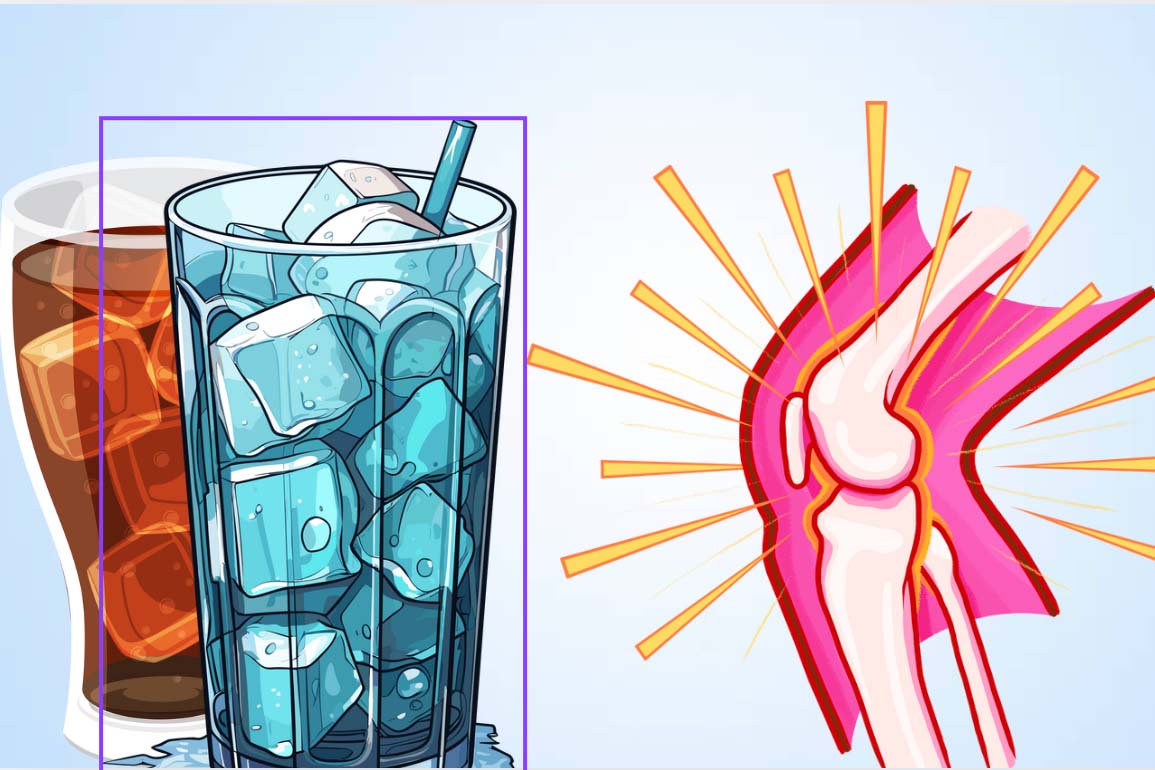
The idea that one everyday beverage is secretly “destroying your bones” is too simplistic.
Bone health depends on the bigger picture.
Adequate calcium and vitamin D, sufficient protein, regular physical activity, healthy body weight, avoidance of smoking, moderation with alcohol, and appropriate medical care all play important roles.
Some beverages - particularly those high in added sugar and low in nutrients may be less helpful when consumed in large amounts every day. Some research has also found associations between certain soft drinks and bone-health outcomes, but these findings do not prove that a particular drink directly causes bones to deteriorate.
So you don't necessarily need to fear your favorite beverage.
Instead, take a closer look at how much you drink, what it contains, what it replaces, and what the rest of your diet looks like.
Your bones aren't built - or weakened by one drink alone. They're influenced by the choices you make repeatedly over many years.
And sometimes, the simplest improvement isn't eliminating one food completely.
It's making sure that the everyday choices surrounding it are nourishing your body rather than crowding out the nutrients your bones need.