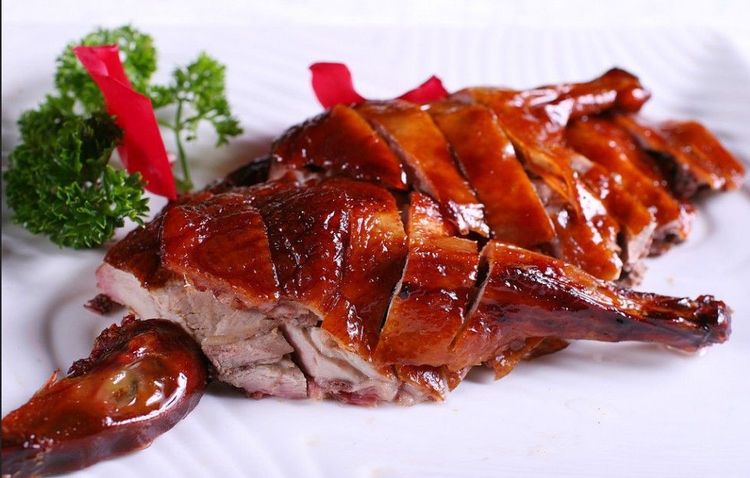
Duck meat is a popular ingredient in many cuisines around the world. Known for its rich flavor and tender texture, duck is used in a wide variety of dishes, from roasted duck and duck soup to stir-fried and braised preparations. In many cultures, duck meat is considered a delicacy and is often served during celebrations and special occasions.
Besides its delicious taste, duck meat also contains several important nutrients that can support overall health. However, like many foods, duck meat may not be suitable for everyone. Certain individuals may need to limit or avoid eating duck due to specific health conditions or dietary needs.
Understanding both the nutritional benefits and potential concerns of duck meat can help people make informed decisions about including it in their diet.

Nutritional Value of Duck Meat
Duck meat is a good source of protein and contains several essential nutrients that contribute to the body’s normal functions.
A typical serving of duck meat provides:
-
High-quality protein
-
Iron
-
Zinc
-
Vitamin B12
-
Niacin (vitamin B3)
-
Healthy fats
Protein plays a vital role in building and repairing body tissues, supporting muscle health, and maintaining overall metabolism. Iron helps transport oxygen in the blood and prevents fatigue related to iron deficiency. Meanwhile, vitamins from the B-complex group help convert food into energy.
Duck meat also contains a higher fat content compared to some other poultry, which contributes to its distinctive flavor. While these fats can provide energy, they may also be a concern for individuals with certain health conditions.
Health Benefits of Duck Meat
When consumed in moderation, duck meat can offer several benefits as part of a balanced diet.
Supporting Muscle Growth and Repair
Because duck meat is rich in protein, it helps support muscle maintenance and repair. Adequate protein intake is essential for people who are physically active or those recovering from illness or injury.
Providing Essential Minerals
Duck meat contains minerals such as iron and zinc, which are important for immune function, blood health, and cellular processes.
Supporting Energy Production
The B vitamins found in duck meat help the body convert nutrients from food into energy, supporting daily physical and mental activity.
Despite these benefits, certain groups of people may need to be cautious when consuming duck meat.
People Who May Need to Avoid or Limit Duck Meat
Although duck meat can be nutritious, some individuals may experience negative effects if they consume it frequently or in large amounts.
1. People With High Cholesterol
Duck meat, particularly when eaten with the skin, contains a relatively high amount of fat and cholesterol compared to lean meats.
For individuals with high cholesterol levels or cardiovascular concerns, consuming large amounts of fatty meats may contribute to increased cholesterol levels in the blood.
People managing cholesterol levels may benefit from choosing leaner protein sources or removing the skin from duck meat before cooking.
2. People With Gout
Gout is a form of arthritis caused by elevated levels of uric acid in the blood. Certain foods high in purines can contribute to increased uric acid production.
Duck meat contains moderate levels of purines. For individuals who have gout or are prone to gout attacks, excessive consumption of duck meat may worsen symptoms.
Doctors often recommend limiting foods high in purines for people managing gout.
3. People With Digestive Sensitivities
Because duck meat contains more fat than some other types of poultry, it may be harder to digest for individuals with sensitive digestive systems.
Some people may experience:
-
Indigestion
-
Stomach discomfort
-
Bloating
People with digestive conditions may find leaner meats easier to tolerate.
4. People Trying to Manage Weight
While duck meat is nutritious, its higher fat content means it also contains more calories than lean poultry such as chicken breast or turkey.
For individuals who are trying to manage their calorie intake or lose weight, frequent consumption of fatty meats may make weight management more challenging.
However, portion control and healthy cooking methods can help reduce this concern.
5. People With Certain Medical Conditions
Some individuals with specific medical conditions—such as liver disease, gallbladder problems, or certain metabolic disorders—may need to limit high-fat foods.
Because duck meat can contain significant fat, particularly when the skin is included, people with these conditions should consult a healthcare professional about appropriate dietary choices.
Healthier Ways to Eat Duck
For people who enjoy duck meat and can safely include it in their diet, choosing healthier preparation methods can make a difference.
Some healthier approaches include:
-
Removing the skin before cooking
-
Roasting or grilling instead of deep frying
-
Pairing duck meat with vegetables
-
Eating moderate portions
These adjustments can help reduce fat intake while still allowing people to enjoy the flavor of duck.
Balance Is Key
Like many foods, duck meat is best enjoyed in moderation. Including a variety of protein sources—such as fish, poultry, beans, and plant-based proteins—can help maintain a balanced diet.
A well-rounded diet that includes vegetables, fruits, whole grains, and healthy fats provides the nutrients needed for long-term health.
Final Thoughts
Duck meat is a flavorful and nutritious food that provides protein, vitamins, and essential minerals. When eaten in moderate amounts and prepared in healthy ways, it can be part of a balanced diet.
However, individuals with certain health conditions—such as high cholesterol, gout, digestive sensitivities, or specific metabolic disorders—may need to limit or avoid duck meat depending on their circumstances.
Understanding how different foods affect the body allows people to make informed dietary choices that support their health and wellbeing. As with most foods, moderation and balance remain the most important principles for maintaining a healthy diet.