Early Warning Signs of an Aneurysm You Should Never Ignore — Doctors Urge Immediate Attention
An aneurysm is often called a “silent killer” because it can develop without obvious symptoms — until it suddenly becomes life-threatening. Medical experts warn that recognizing early warning signs could make the difference between life and death.
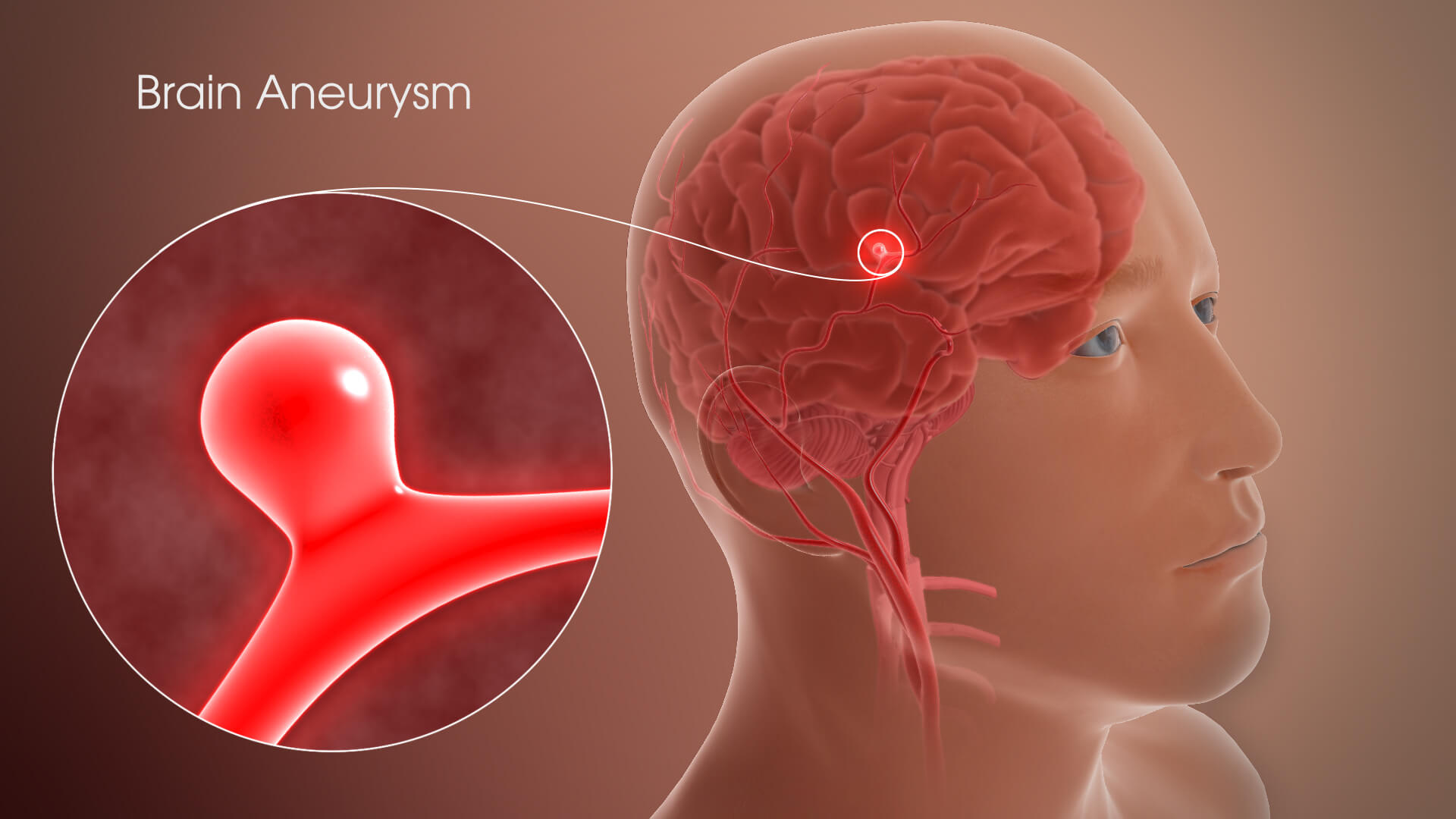
An aneurysm occurs when a weakened blood vessel wall bulges outward. In many cases, people don’t even know they have one until it grows or ruptures, which can lead to severe internal bleeding or stroke.
The Most Dangerous Symptom: Sudden Severe Headache
Doctors say the most critical warning sign of a ruptured brain aneurysm is a sudden, intense headache, often described as “the worst headache of your life.”
This type of headache appears suddenly and reaches maximum intensity within seconds, making it very different from typical headaches.
Other Warning Signs You Should Watch For
Even before rupture, some symptoms may appear as the aneurysm presses on surrounding nerves or tissues:
1. Vision Problems
Blurred or double vision, or sensitivity to light, may indicate pressure near the optic nerves.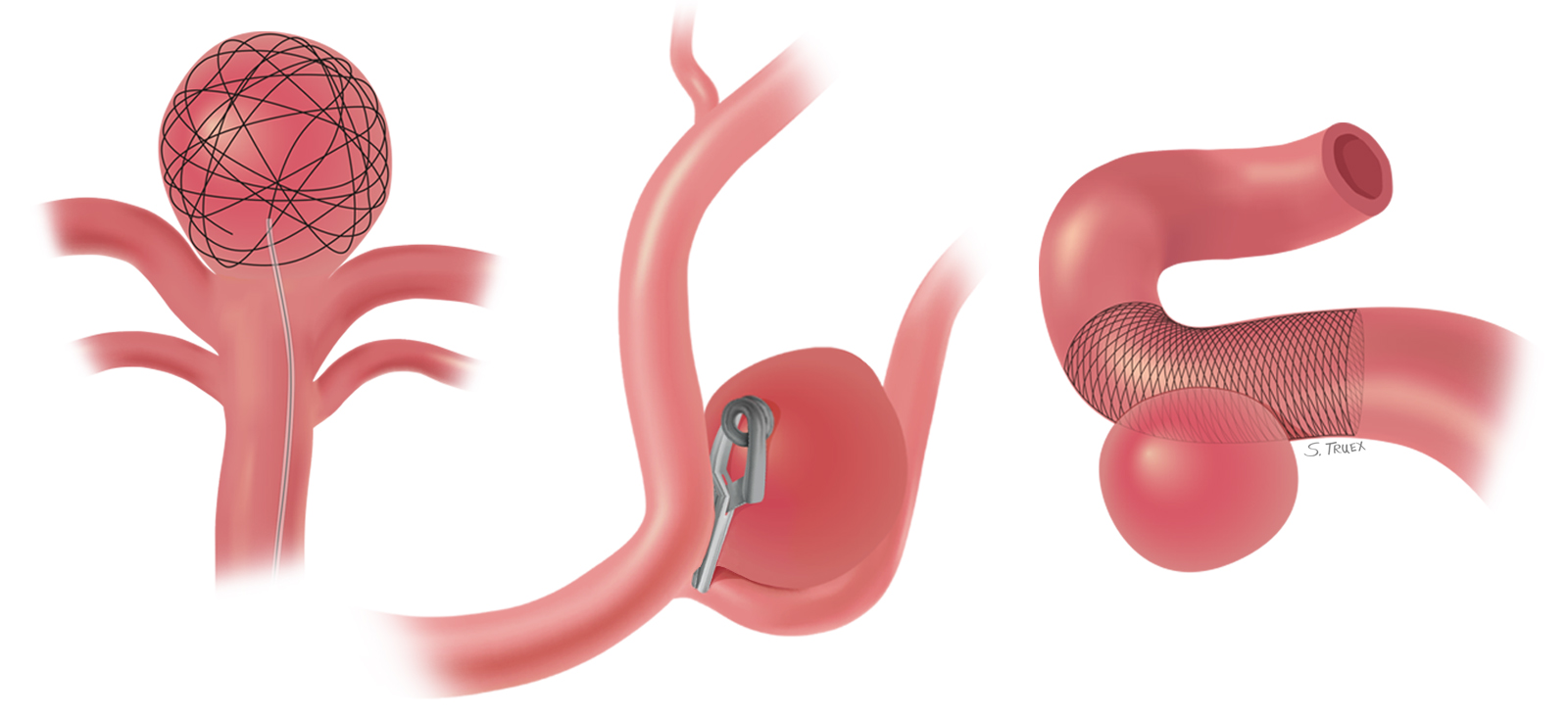
2. Pain Around the Eye or Face
Pain above or behind one eye, or numbness on one side of the face, can signal an enlarging aneurysm.
3. Neck Stiffness and Nausea
Stiff neck, nausea, and vomiting are common signs, especially when bleeding has already started.
4. Weakness or Numbness
Sudden weakness, especially on one side of the body, may occur if the aneurysm affects nearby brain areas.
5. Confusion or Loss of Consciousness
In severe cases, patients may experience confusion, seizures, or even fainting.
Symptoms Beyond the Brain
Aneurysms can also occur in other parts of the body, such as the aorta. In those cases, warning signs may include:
- Chest or back pain
- Abdominal pain or pulsation
- Shortness of breath
- Dizziness or rapid heartbeat
Why Early Detection Matters
Many aneurysms show no symptoms until they rupture. When rupture happens, it becomes a medical emergency with a high risk of death or permanent damage.
Doctors emphasize that any sudden or unusual symptoms — especially severe headaches — should never be ignored. Immediate medical attention can save lives.
Conclusion
An aneurysm may develop silently, but the body often gives warning signals before it’s too late. Recognizing these signs early and seeking urgent care can dramatically improve survival chances.
When it comes to aneurysms, acting fast is everything.