Early Warning Signs of Liver Damage — And How to Protect and Strengthen Your Liver Naturally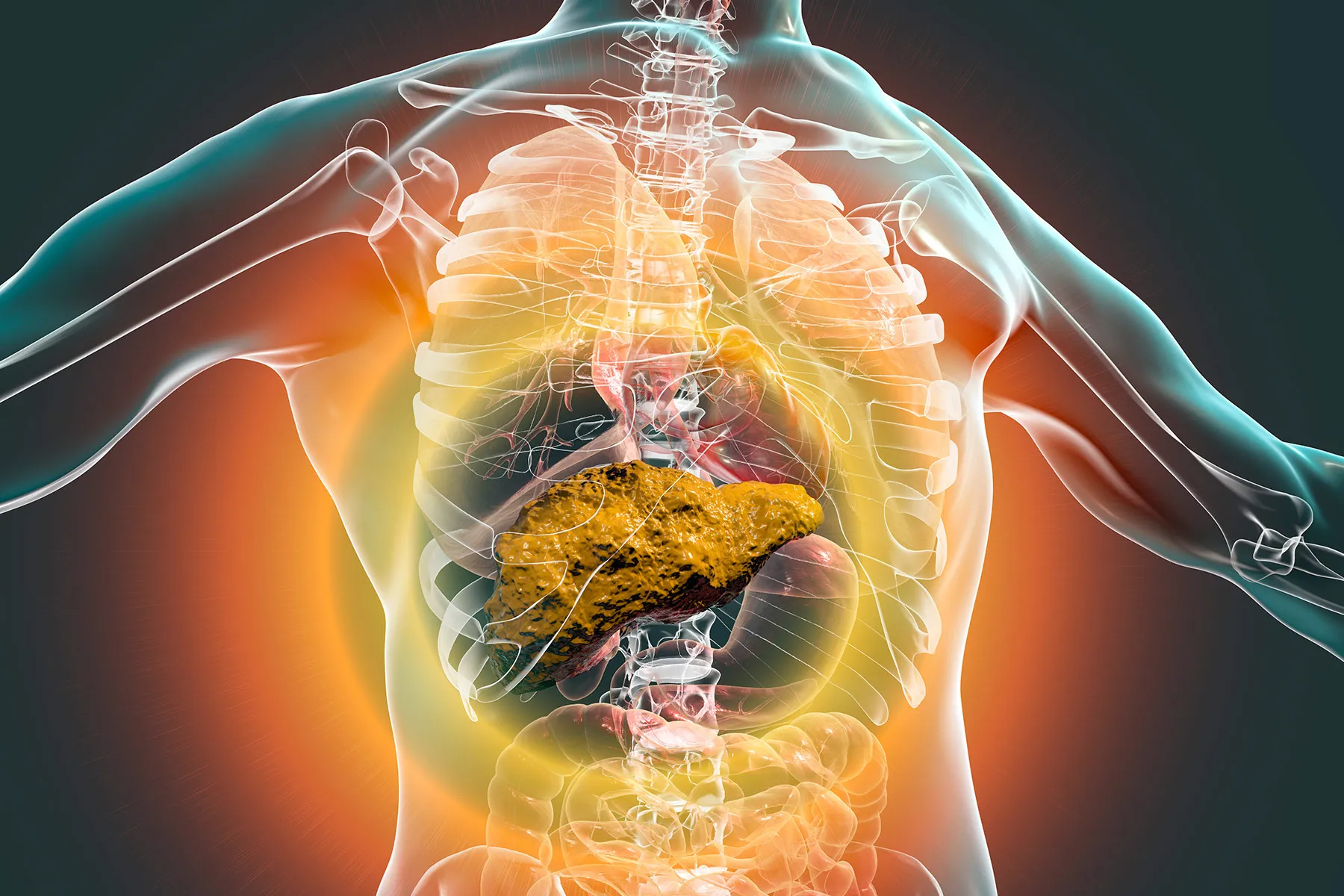
Your liver is a vital organ — in fact, it’s the largest solid organ in your body. Positioned in the upper right side of your abdomen just beneath the ribs, the liver performs over 500 essential tasks that keep you alive and functioning. Given its importance, keeping your liver in optimal health should be a top priority. Recognizing early signs of liver damage can be lifesaving.
The Vital Role of the Liver
Your liver is a multitasking powerhouse. Here are some of its core functions:
-
Producing bile to help digest fats
-
Detoxifying the blood by filtering out harmful substances, including environmental toxins and metabolic waste
-
Regulating hormones and breaking down excess
-
Metabolizing nutrients from food and converting them into energy
-
Storing essential vitamins and minerals
-
Producing proteins vital for blood clotting and immune function
Everything you eat or drink is processed by the liver before it is absorbed or eliminated. Despite the liver's ability to regenerate damaged tissue, prolonged injury can reduce its capacity to function — leading to chronic disease and even liver failure.
Common Causes of Liver Damage
Liver damage usually builds slowly and silently over time. By the time symptoms appear, the liver may already be significantly impaired. The most common triggers include:
-
Chronic alcohol consumption – long-term, excessive drinking is a leading cause
-
Hepatitis viruses – especially types B and C
-
Non-alcoholic fatty liver disease (NAFLD) – linked to obesity and poor diet
-
Malnutrition – particularly protein deficiency
-
Certain medications – both prescription and over-the-counter, including acetaminophen (paracetamol), some antibiotics, and herbal remedies taken in excess
-
Toxic chemical exposure – pesticides, solvents, and industrial chemicals
-
Genetic disorders – such as hemochromatosis (iron overload) or Wilson’s disease (copper accumulation)
-
Smoking – which increases risk for both lung and liver cancer
-
Diabetes – which increases your risk for developing fatty liver disease
-
Vitamin toxicity – even too much vitamin A can harm the liver
Early Symptoms of Liver Damage
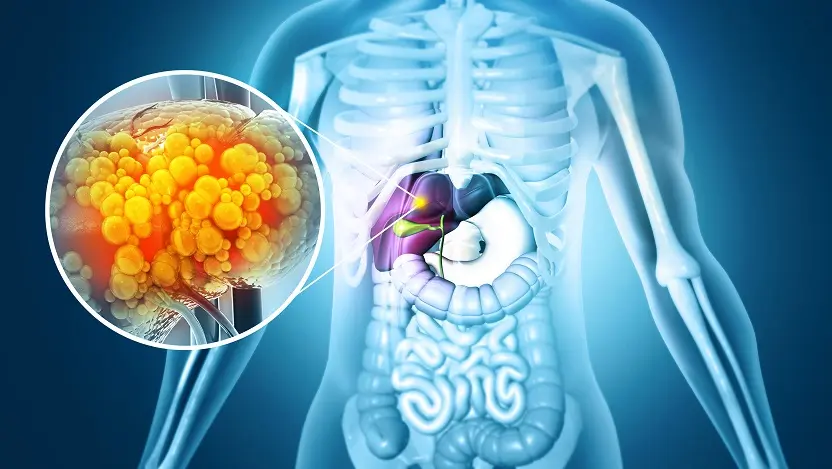
Often, liver issues remain undetected until significant damage has occurred. Watch for these early warning signs:
-
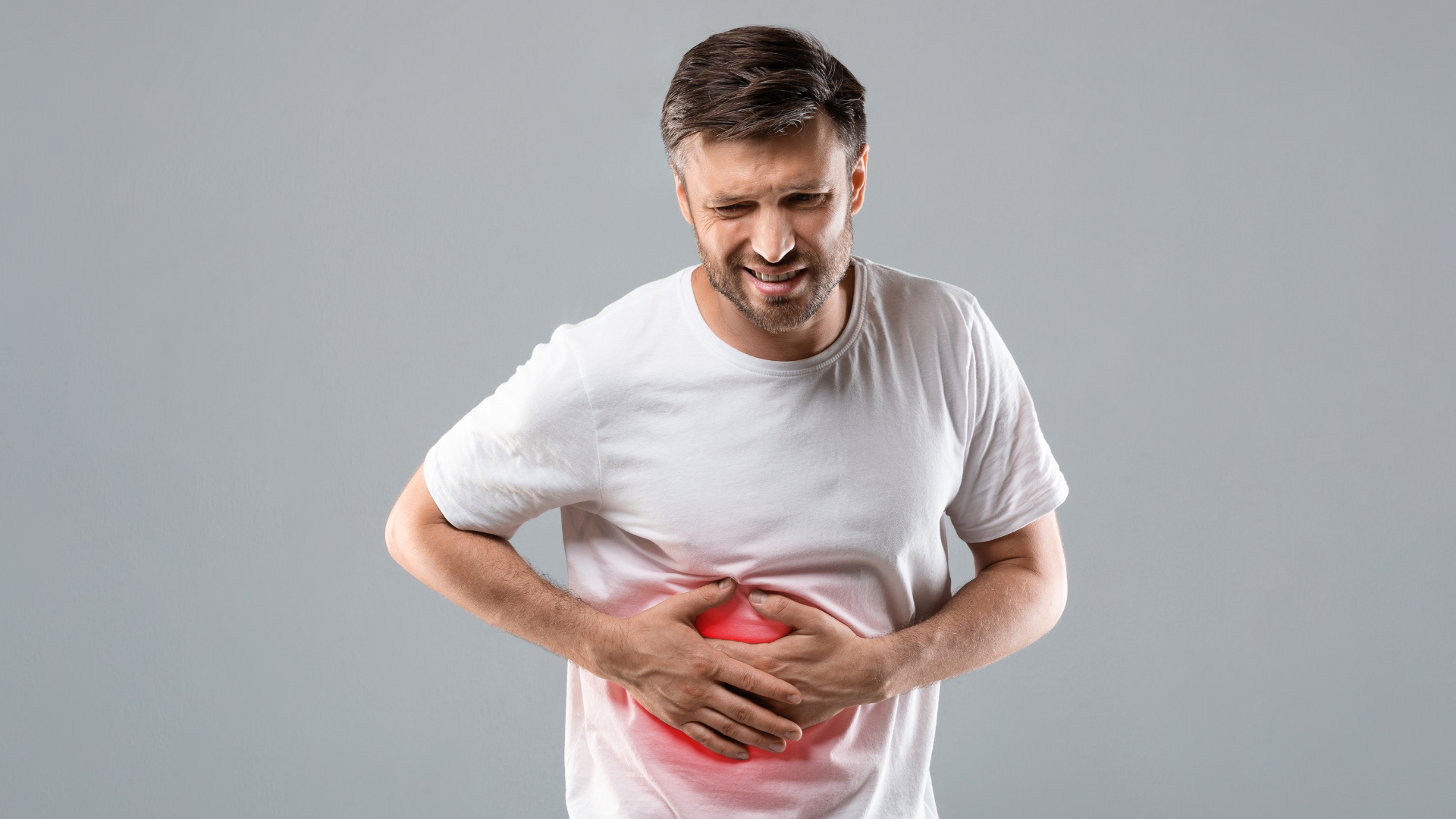
Discomfort or pain in the upper right abdomen – especially under the ribs
-
Persistent fatigue – both physical exhaustion and mental confusion can be indicators
-
Digestive changes – such as diarrhea, constipation, or gastrointestinal bleeding
-
Itchy skin – often caused by bile salts accumulating under the skin
-
Jaundice – a yellowing of the skin, eyes, or even fingernails due to elevated bilirubin
-
Dark-colored urine – despite proper hydration
-
Nausea and vomiting – often accompanied by bloating or indigestion
-
Loss of appetite or unintentional weight loss
-
Swelling in the abdomen or legs – fluid retention (edema) is common in advanced liver disease like cirrhosis
-
Easy bruising or bleeding – due to a decrease in clotting factor production
-
Hormonal imbalance – men may develop enlarged breast tissue; women may experience irregular periods or low libido
-
Abnormal blood test results – specifically, normal RDW (red cell distribution width) with elevated MCV (mean corpuscular volume) can indicate liver stress
In severe cases, liver damage can lead to acute liver failure, which may cause symptoms such as mental fog, drowsiness, fluid buildup in the brain, and kidney dysfunction.
When to Seek Medical Advice
You should consult your doctor immediately if you experience:
-
Persistent fatigue or unexplained weight loss
-
Jaundice, especially if paired with fever, abdominal pain, or vomiting
-
Prolonged digestive disturbances
-
Any unusual swelling or changes in urine/stool color
Never ignore your gut feeling — if you don’t feel right, it’s always better to get checked. Early detection can make all the difference.
How to Strengthen and Protect Your Liver
Caring for your liver doesn’t require dramatic overhauls — small, consistent lifestyle changes can make a powerful impact.
Here are simple but effective steps to support liver health:
1. Reduce or eliminate alcohol
Heavy drinking is the number one cause of preventable liver disease. Even moderate drinking over time can be harmful.
2. Limit caffeine intake
Caffeine, like alcohol, increases toxic load. However, moderate coffee consumption (1–2 cups daily) may actually benefit the liver due to its antioxidant content — just don’t overdo it.
3. Quit smoking
Cigarette smoke introduces liver-toxic compounds into the bloodstream. Quitting improves not just liver function, but overall health.
4. Hydrate with clean water
Drinking plenty of water helps your liver filter waste effectively. Consider lemon water, which stimulates bile production.
5. Incorporate herbal teas and antioxidant-rich drinks
Green tea, dandelion tea, and milk thistle are popular choices. Smoothies with fruits and vegetables also nourish the liver.
6. Eat a liver-loving diet
Focus on:
-
Leafy greens (spinach, kale, dandelion)
-
Beets and carrots – known to purify the blood
-
Whole grains – like quinoa, oats, and brown rice
-
Nuts and seeds – especially walnuts, which contain omega-3s
-
Berries – rich in antioxidants and organic acids that protect against fatty liver
You can read more about this in The Healing Berry Guide, which details the science behind how berries support liver function and reduce inflammation.
7. Use garlic generously
Garlic activates liver enzymes that flush toxins. It also contains selenium, a mineral that boosts antioxidant action in the liver.
8. Avoid processed and fatty foods
Fast food, packaged snacks, and processed meats contain additives and trans fats that can overwhelm the liver.
9. Exercise regularly
Maintaining a healthy weight reduces your risk of NAFLD. Aim for at least 30 minutes of moderate exercise most days.
10. Monitor medication and supplement use
Follow all dosage instructions. Too much of anything — even “natural” supplements — can harm your liver. Check for liver toxicity warnings on all products.
11. Get regular checkups if you have chronic conditions
Diabetics and people with high cholesterol or blood pressure should get liver function tests regularly to avoid silent progression of liver damage.
12. Practice good hygiene
This helps prevent hepatitis infections, especially hepatitis A and E, which are transmitted through contaminated food and water.
13. Explore liver-supportive herbs
Herbs like milk thistle, turmeric, and dandelion root are known for their detoxifying effects. You can learn how to use them in The Herbal Remedies Guide, which outlines safe herbal treatments for common ailments.
Final Thoughts
Your liver is essential to life — and once it’s significantly damaged, it’s incredibly difficult to reverse the process. There’s currently no artificial substitute for liver function, which makes early intervention and preventative care crucial.
You don’t need to overhaul your entire lifestyle overnight. Start with one or two changes — maybe it’s drinking more water, quitting smoking, or swapping processed snacks for fruits. Every positive step is a step toward a healthier liver and a longer, more vibrant life.
If you're interested in learning more about supporting your liver through nutrition, be sure to check out my article: The Best Foods to Cleanse Your Liver — where I go into detail about the most effective healing foods and how to use them.