While no single food can guarantee a healthy heart, small dietary choices made consistently can contribute to better long-term health. Among the foods worth considering are edible seeds. These tiny nutritional powerhouses provide fiber, plant-based protein, unsaturated fats, vitamins, minerals, and other beneficial compounds that can complement a balanced eating pattern.
Chia seeds, flaxseeds, pumpkin seeds, sunflower seeds, sesame seeds, and hemp seeds each offer a different combination of nutrients. Some are particularly rich in plant-based omega-3 fatty acids, while others provide magnesium, vitamin E, or minerals that help the body function properly.
The key is understanding what these seeds can offer, how to eat them, and why they work best as part of an overall heart-healthy lifestyle rather than as a quick fix.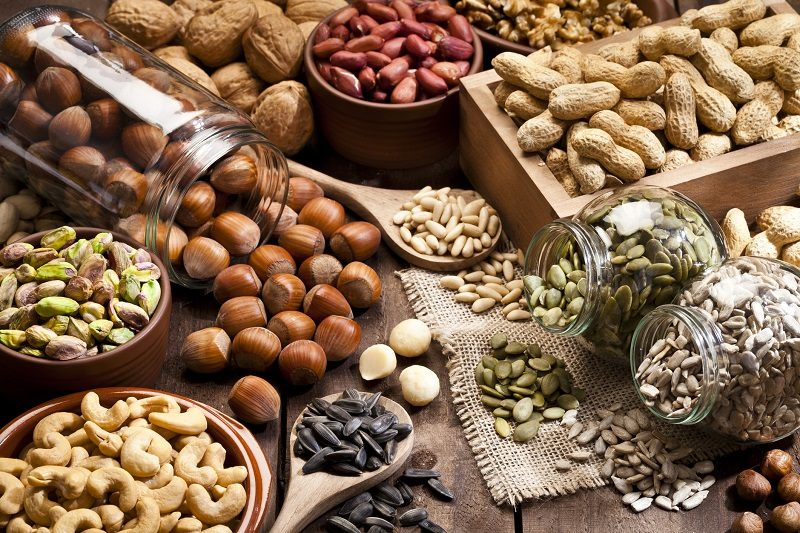
1. Why Seeds Deserve a Place in a Heart-Healthy Diet
Seeds may be small, but their nutritional value can be substantial. Depending on the variety, they contain unsaturated fats, dietary fiber, protein, and essential micronutrients.
These nutrients matter because cardiovascular health is influenced by several interconnected factors, including blood cholesterol, blood pressure, blood glucose, body weight, inflammation, and the overall quality of a person's diet.
Healthy fats and cholesterol
Many edible seeds contain predominantly unsaturated fats. Replacing foods rich in saturated fat with sources of unsaturated fat can help improve blood cholesterol levels, particularly by reducing LDL cholesterol when the substitution is appropriate.
LDL cholesterol is often called "bad" cholesterol because elevated levels can contribute to plaque buildup in artery walls. Over time, this process can narrow arteries and increase the risk of heart attack and stroke.
However, simply adding seeds to an existing diet may not produce the same benefits as replacing less nutritious foods with them. For example, sprinkling seeds over a meal instead of adding extra processed meat, or choosing an unsalted seed snack instead of salty chips, can improve the overall nutritional balance of the diet.
Fiber for overall metabolic health
Certain seeds, particularly chia and flax, are excellent sources of dietary fiber. Fiber supports digestive health and can contribute to better cholesterol management, depending on the type and amount consumed.
Fiber-rich foods can also help people feel satisfied after eating, making it easier to establish consistent eating habits and manage portion sizes.
Minerals that support normal body functions
Seeds also supply minerals such as magnesium, zinc, iron, and calcium in varying amounts.
Magnesium participates in normal muscle and nerve function, including the processes involved in maintaining a regular heartbeat. It also contributes to normal blood pressure regulation. Nevertheless, eating magnesium-rich seeds should not be considered a substitute for prescribed treatment for hypertension or heart disease.
According to the American Heart Association's dietary guidance, the overall pattern of eating matters more than any single food. A diet rich in minimally processed plant foods, fiber, and unsaturated fats can help support cardiovascular health over time.
2. Chia Seeds: Tiny Seeds Rich in Fiber and Plant-Based Omega-3s
Chia seeds have become popular because they are easy to prepare and contain a useful combination of fiber, protein, minerals, and alpha-linolenic acid, commonly known as ALA.
ALA is an essential plant-based omega-3 fatty acid. The body needs it from food because it cannot produce it in sufficient quantities on its own.
How chia seeds may support heart health
One of the main advantages of chia seeds is their fiber content. When chia seeds absorb liquid, they form a gel-like coating. This property makes them useful in foods such as overnight chia pudding, smoothies, and thickened breakfast mixtures.
Their fiber can contribute to digestive regularity and may help moderate the rise in blood glucose after a meal when consumed as part of a balanced diet.
Chia seeds also supply ALA, which contributes to the body's essential fatty acid intake. However, the body converts ALA into the longer-chain omega-3 fatty acids EPA and DHA only in limited amounts. Chia seeds therefore should not be considered nutritionally identical to fish or other direct sources of EPA and DHA.
Research into chia seeds and cardiovascular outcomes is ongoing. Their nutrient composition makes them a useful part of a heart-conscious diet, but evidence does not establish that eating chia seeds alone prevents heart attacks or reverses heart disease.