Avocado has gone from being a trendy food to becoming a regular part of many people's diets.
You see it on toast, mixed into salads, blended into smoothies, served as guacamole, or simply eaten with a little salt and lemon.
It's creamy, filling, and surprisingly versatile.
But if you're eating avocado regularly, you may have wondered:
Is it actually as healthy as people say?
Could eating it every day support your heart?
Does the fat in avocado make you gain weight?
Is it good for digestion?
And what about people with kidney problems who have been told to watch their potassium?
The answer is more nuanced than simply calling avocado a “superfood.”
Avocado is a nutrient-dense fruit that provides fiber, potassium, magnesium, folate, vitamin C, vitamin K, and mostly monounsaturated fat. The American Heart Association includes avocado among foods that can fit into a heart-healthy dietary pattern.
But how you eat it, how much you eat, and your individual health situation all matter.
Here's what doctors and nutrition experts want you to know.
1. Avocado Contains Mostly Heart-Friendly Fats
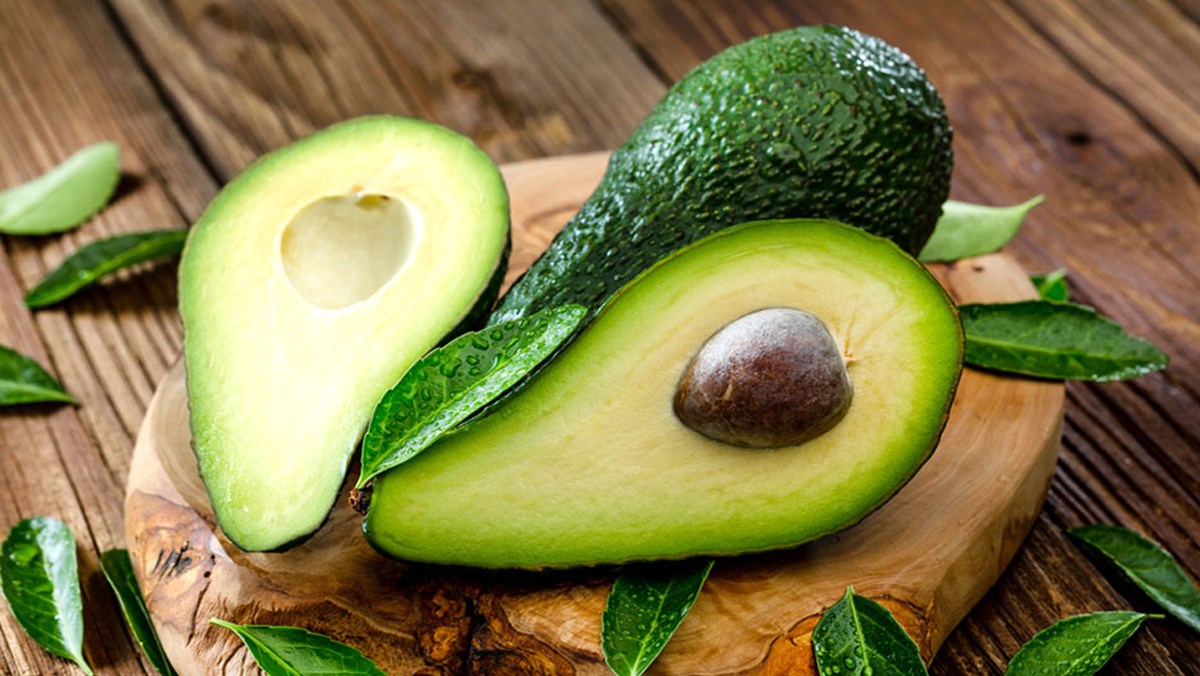
One of the biggest reasons avocado stands out from most fruits is its fat content.
Unlike many fruits, which are primarily carbohydrate-based, avocado is relatively high in fat.
That might sound concerning at first.
But not all dietary fats have the same effect on health.
Avocados are particularly rich in monounsaturated fat, a type of unsaturated fat that can be a healthier replacement for foods high in saturated fat.
The American Heart Association recommends choosing monounsaturated and polyunsaturated fats in place of saturated and trans fats because this substitution can help improve blood cholesterol levels and reduce cardiovascular risk.
That distinction is important.
Eating avocado alongside a diet already high in butter, fatty meats, cheese, and other calorie-dense foods isn't necessarily going to transform your health.
But using avocado to replace some sources of saturated fat can be a more meaningful dietary change.
For example, consider the difference between:
-
Avocado instead of butter on toast
-
Avocado instead of mayonnaise in a sandwich
-
Avocado instead of a creamy, high-saturated-fat spread
-
Avocado added to a vegetable-based meal instead of processed toppings
The food doesn't have to be eaten in isolation to be beneficial.
What matters is the overall dietary pattern.
2. It Can Be a Good Source of Fiber
Another major advantage of avocado is its fiber content.
Fiber is important for digestive health, but its benefits go beyond digestion.
Dietary fiber can help promote feelings of fullness, support healthy bowel function, and contribute to healthy cholesterol levels and blood-sugar management. The American Heart Association notes that fiber can help reduce blood cholesterol and support healthy weight management.
The National Kidney Foundation reports that about one-third of an avocado provides roughly 3 grams of fiber.
That makes avocado a useful way to increase fiber intake without relying entirely on grains or fiber supplements.
However, if your diet is currently low in fiber, suddenly eating large amounts can cause bloating or digestive discomfort.
A better approach is gradual.
Increase fiber-containing foods over time and drink enough fluids unless you've been given a medical reason to restrict fluids.
3. Avocado May Help You Feel Full
Have you ever noticed that a meal containing avocado can feel surprisingly satisfying?
There's a reason.
The combination of fiber and fat can contribute to satiety.
This doesn't mean avocado is a magical weight-loss food.
It isn't.
But replacing highly refined or heavily processed foods with nutrient-dense foods containing healthy fats and fiber can make it easier to build satisfying meals.
Research has also found associations between avocado consumption and better overall diet quality. USDA researchers reported that avocado consumers had higher intakes of fiber, monounsaturated and polyunsaturated fats, and several vitamins and minerals, although observational findings cannot prove that avocado itself caused those outcomes.
That's an important distinction.
People who eat avocado may also have other healthy habits.
So it's better to think of avocado as one useful component of a healthy diet, not a shortcut to weight loss.
4. Eating Avocado Doesn't Automatically Make You Gain Weight
This is one of the most common concerns.
Avocado contains fat, and fat contains more calories per gram than carbohydrates or protein.
So yes, avocado is relatively energy-dense.
But that doesn't make it unhealthy.
The key is portion size and what avocado replaces in your diet.
Eating a reasonable amount of avocado as part of a balanced meal is very different from adding large quantities of avocado on top of an already calorie-dense diet.
For example, if you add a large amount of avocado, cheese, dressing, nuts, and oil to a meal, the calories can accumulate quickly.
But if avocado replaces a less nutritious spread or contributes to a meal built around vegetables, whole grains, and a healthy protein source, it can fit very comfortably into a healthy eating pattern.
So don't ask only:
“Is avocado high in calories?”
Ask:
“What is the avocado replacing in my diet?”
That question is much more useful.
5. It Provides Potassium
Potassium is an essential mineral involved in normal muscle and nerve function, including the electrical activity of the heart.
Avocado is a notable source of potassium.
The National Kidney Foundation estimates that a serving of about one-third of an avocado contains approximately 250 milligrams of potassium.
For most healthy people, potassium-rich foods can be part of a balanced diet.
But there is an important exception.
People with certain kidney conditions may need to be careful.
Healthy kidneys help regulate potassium levels in the blood.
When kidney function is significantly impaired, potassium can sometimes build up.
High blood potassium, or hyperkalemia, can become dangerous and may affect the heart.
This doesn't mean everyone with kidney disease must avoid avocado.
In fact, the National Kidney Foundation specifically notes that potassium needs vary according to kidney function, laboratory results, and the type of dialysis a person receives.
So if you have chronic kidney disease or have been told that your potassium is high, don't make assumptions based on general nutrition advice.
Ask your doctor or kidney dietitian how avocado fits into your diet.
6. Avocado Can Be Part of a Heart-Healthy Diet
Heart health is one of the areas where avocado has received considerable attention.
Avocados provide monounsaturated fat and fiber, along with potassium and other nutrients.
The American Heart Association has reported research linking higher avocado consumption with a lower risk of cardiovascular events, although this type of observational research cannot establish that avocado itself prevents heart disease.
Earlier clinical research has also examined avocado consumption in relation to cholesterol levels.
The broader takeaway is not:
“Eat avocado and you'll never have heart disease.”
That's far too simplistic.
Instead:
Avocado can be one component of a dietary pattern that supports cardiovascular health.
And that pattern matters.
A heart-healthy diet generally emphasizes fruits and vegetables, whole grains, healthy protein sources, unsaturated fats, and minimally processed foods while limiting excess sodium, added sugars, and saturated fat.
7. It Provides Several Micronutrients
Avocado isn't just about fat and fiber.
It also contains a range of vitamins and minerals.
The National Kidney Foundation describes avocado as nutrient-dense and notes that it provides approximately 20 different vitamins and minerals.
Depending on the amount consumed, avocado can contribute nutrients such as:
-
Vitamin K
-
Folate
-
Vitamin C
-
Vitamin E
-
Potassium
-
Magnesium
-
Fiber
This is one reason whole foods are generally preferable to foods designed primarily to deliver one isolated nutrient.
You're getting a package of nutrients rather than a single compound.
8. What About Blood Sugar?
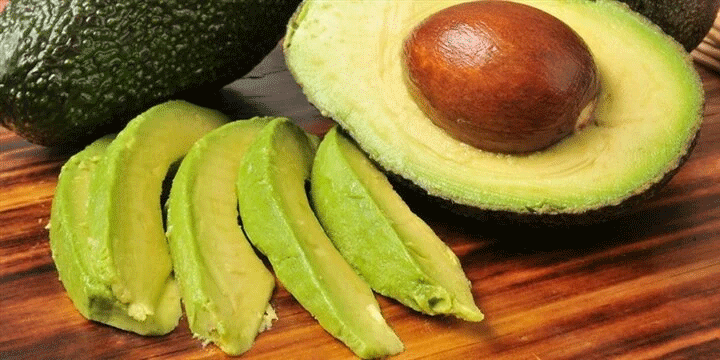
Avocado is relatively low in carbohydrates compared with many fruits and contains fiber and fat.
That makes it quite different from foods dominated by refined carbohydrates or added sugars.
Its fiber content can contribute to slower digestion and greater satiety.
But once again, avoid exaggerated claims.
Avocado isn't a treatment for diabetes.
If you have diabetes, what matters is the overall composition of your meals, portion sizes, carbohydrate intake, medication, physical activity, and your individual glucose response.
Avocado can fit into many diabetes-friendly eating patterns, but it should be considered part of the larger meal rather than a standalone “blood sugar remedy.”
9. Your Gut May Appreciate the Fiber
Your digestive system benefits from dietary fiber.
Fiber helps support normal bowel movements and contributes to a healthy gut environment.
Avocado's combination of fiber and water can make it a useful addition to a diet that includes a variety of plant foods.
However, remember that one food can't provide everything your gut needs.
A diverse diet containing vegetables, fruits, legumes, whole grains, nuts, and seeds generally provides a much broader range of fibers and plant compounds.
So instead of eating avocado every day while ignoring other plant foods, think variety.
Avocado can be one piece of the puzzle.
10. Eating It Every Day Isn't Necessary
This may surprise you.
You don't need to eat avocado every day to benefit from it.
There is no medical rule saying that everyone needs a daily avocado.
If you enjoy it and it fits your diet and calorie needs, eating it regularly can be perfectly reasonable.
But variety matters.
You could rotate avocado with other sources of unsaturated fats such as:
-
Nuts
-
Seeds
-
Olive oil
-
Certain fish
-
Nut butters
The American Heart Association emphasizes overall dietary patterns rather than relying on one particular food.
So don't feel like you've failed your health if you skip the avocado tomorrow.
11. Portion Size Still Matters
Even healthy foods can contribute a lot of calories when eaten in large quantities.
This is particularly relevant with avocado because it is relatively energy-dense.
A reasonable portion depends on your overall calorie needs and what else you're eating.
For some people, one-quarter to one-half of an avocado may be plenty for a meal.
Someone with higher energy requirements may comfortably eat more.
There isn't a single portion that works for every person.
The practical rule is:
Use avocado as part of the meal, not as the entire meal.
Pair it with vegetables, whole grains, beans, eggs, lean protein, or other nutrient-dense foods.
12. Be Careful With What You Put on Your Avocado
Here's where a healthy food can become part of a less healthy meal.
Avocado itself isn't usually the problem.
The extras can be.
Think about guacamole loaded with:
-
Excess salt
-
High-sodium chips
-
Processed meats
-
Cheese
-
Creamy sauces
Or an avocado toast covered in butter, cheese, processed meats, and salty sauces.
The nutritional value of the entire meal matters.
If your goal is heart health, pair avocado with foods that complement its nutritional profile rather than turning it into a vehicle for excessive sodium or saturated fat.
13. Don't Believe Every “Avocado Detox” Claim
Social media has produced countless claims about avocado.
You may see people saying it:
-
“Detoxes” your kidneys
-
Burns belly fat
-
Cleans your liver
-
Removes toxins
-
Prevents every disease
-
Reverses aging
These claims go far beyond what the evidence supports.
Your body already has sophisticated systems for processing and eliminating waste, including the liver and kidneys.
Avocado can contribute valuable nutrients.
But it isn't a detox treatment.
It's food.
And honestly, it doesn't need exaggerated claims to be useful.
14. What If You Have Kidney Disease?
This deserves special attention because avocado is sometimes misunderstood in relation to kidney health.
The National Kidney Foundation classifies avocado as a high-potassium food, but it also explains that potassium restrictions aren't identical for everyone with kidney disease.
Some people with early-stage kidney disease may not need to restrict potassium.
Others with elevated potassium levels may need to limit high-potassium foods.
People receiving different types of dialysis can have different potassium requirements.
That's why a blanket statement such as:
“Kidney patients should never eat avocado.”
is inaccurate.
Your laboratory results and individual treatment plan matter.
If your healthcare team has instructed you to restrict potassium, follow that advice rather than general nutrition content online.
15. What If You Are Trying to Lose Weight?
Avocado can absolutely fit into a weight-management diet.
But don't make the mistake of thinking:
“It's healthy, so I can eat unlimited amounts.”
Healthy foods still contain calories.
Instead, use avocado strategically.
For example, you could use a modest amount of avocado in place of butter or a creamy sauce.
That gives you a source of unsaturated fat and fiber while changing the nutritional profile of the meal.
The goal isn't to eat as much avocado as possible.
The goal is to build a diet you can maintain over the long term.
16. How to Add More Avocado to Your Diet
You don't need elaborate recipes.
Try adding a modest portion to:
Breakfast
Whole-grain toast with avocado and an egg.
Lunch
A salad with vegetables, beans, lean protein, and avocado.
Dinner
Avocado alongside grilled vegetables and a protein source.
Snack
A small portion of avocado with vegetables or whole-grain crackers.
Homemade Guacamole
Avocado mixed with tomato, onion, lime, and herbs.
The important thing is to keep the overall meal balanced.
17. Don't Forget Food Safety
Avocado itself isn't a risky food for most people, but like other fresh produce, it should be handled properly.
Wash the outside of the avocado before cutting it.
Why?
Because bacteria on the skin can potentially be transferred to the flesh when a knife cuts through the fruit.
After cutting, refrigerate unused avocado promptly and follow normal food-safety practices.
If the fruit develops significant spoilage, mold, or an unusual smell, don't eat it.
So, Should You Eat Avocado Regularly?
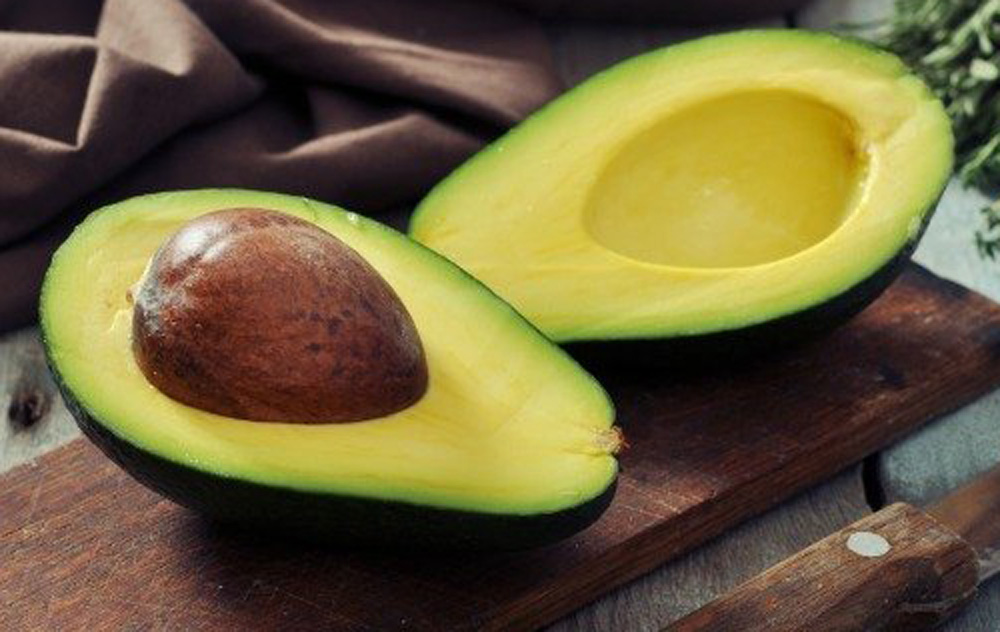
For many healthy adults, yes—avocado can be a nutritious addition to the diet.
It provides monounsaturated fat, fiber, potassium, and a range of vitamins and minerals.
But “regularly” doesn't have to mean “every single day.”
And “healthy” doesn't mean “unlimited.”
The best way to use avocado is to think about what it replaces.
If you're replacing butter, highly processed spreads, or foods high in saturated fat with avocado, you may be making a positive nutritional change. The American Heart Association recommends replacing saturated fats with unsaturated fats as part of a heart-healthy dietary pattern.
If you're simply adding huge portions of avocado to an already calorie-dense diet, the benefits may be less impressive.
Who Should Talk to a Doctor or Dietitian First?
Avocado is generally safe as a food for most people.
However, individualized advice is particularly important if you:
-
Have chronic kidney disease
-
Have high blood potassium
-
Receive dialysis
-
Have been prescribed a potassium-restricted diet
-
Have a medical condition requiring specific dietary restrictions
-
Are managing your weight under medical supervision
For people with kidney disease, potassium requirements can vary significantly, so don't eliminate or dramatically increase avocado without discussing your diet with your healthcare team.
The Bottom Line
Avocado has earned its reputation as a nutrient-dense food for good reason.
It provides monounsaturated fats, fiber, potassium, magnesium, folate, vitamin C, vitamin K, and other nutrients.
Regular consumption can fit well into a heart-healthy dietary pattern, particularly when avocado replaces foods higher in saturated fat.
But there's no need to treat avocado like a miracle food.
It won't magically burn belly fat.
It won't “detox” your body.
And eating more isn't necessarily better.
The smartest approach is to enjoy it in reasonable portions as part of a varied diet rich in vegetables, fruits, whole grains, healthy proteins, and other sources of unsaturated fats.
And if you have kidney disease or problems regulating potassium, remember that the answer may be different for you.
Avocado can be a healthy choice—but the healthiest diet is never built around one food. It's built around the pattern of choices you make day after day.