Water helps soften stool and supports the movement of waste through the digestive tract. Adequate fluid intake is particularly important for people who consume fiber because fiber works best when the body has enough water.
Cucumbers also provide some fiber, especially when eaten with their peel.
Dietary fiber helps support regular bowel movements and contributes to a healthy digestive system. However, cucumbers are not among the richest sources of fiber.
For comparison, beans, lentils, oats, chia seeds, and many other vegetables provide considerably more fiber per serving.
This means cucumbers are best viewed as one small part of a fiber-rich eating pattern rather than a complete solution for constipation.
If you want to support digestion, consider combining cucumbers with other foods that provide fiber.
A salad containing cucumber, leafy greens, carrots, tomatoes, and beans can provide a broader range of nutrients and fiber than cucumber alone.
Some people may also notice bloating, burping, or digestive discomfort after eating cucumbers. Individual tolerance varies, and the skin or seeds may bother people with certain digestive sensitivities.
If cucumber consistently causes discomfort, try eating a smaller portion or removing the peel. Persistent digestive symptoms should be discussed with a healthcare professional.
Overall, cucumbers can contribute to digestive health through their water content and modest fiber supply, particularly when they are included in a varied diet.
Chapter 5: Vitamin K and Its Role in Bone Health
Cucumbers contain a nutrient that deserves more attention: vitamin K.
Vitamin K is essential for normal blood clotting. It also participates in processes involved in bone metabolism.
One important protein involved in bone health is osteocalcin, which requires vitamin K to function properly. This is one reason why adequate vitamin K intake is important for maintaining normal bone function.
Cucumbers, particularly when eaten with their peel, provide a useful amount of this vitamin.
The exact amount varies according to cucumber size and variety, but approximately 100 grams of raw cucumber with the peel can provide around 16 micrograms of vitamin K.
Although this is not enough to meet all daily nutritional requirements, it contributes to overall intake.
It is important to remember that bone health depends on several nutrients working together.
Calcium helps build and maintain bone structure. Vitamin D supports calcium absorption. Protein provides essential building materials, while regular weight-bearing exercise helps maintain bone strength.
Vitamin K is only one part of this larger picture.
Eating cucumbers regularly may help contribute to vitamin K intake, but they should not be considered a treatment for osteoporosis or a replacement for prescribed bone-health medication.
One important caution concerns people taking warfarin, an anticoagulant medication.
Because vitamin K can affect how warfarin works, people taking this medication are generally advised to maintain a consistent vitamin K intake rather than suddenly making major changes to their diet.
They should discuss dietary changes with their healthcare professional.
For most people, however, including ordinary portions of fresh cucumber in a balanced diet is a simple way to obtain a little more vitamin K.
Chapter 6: Potential Benefits for Heart Health and Blood Sugar Management
Cucumbers are also a useful food choice for people who want to follow a heart-conscious eating pattern.
They are naturally low in calories and sodium and contain small amounts of potassium and fiber.
Potassium is an essential mineral that helps regulate fluid balance, support normal muscle function, and maintain healthy blood pressure.
However, cucumbers are not especially rich in potassium compared with foods such as potatoes, beans, bananas, and leafy vegetables.
Their contribution should therefore be considered modest rather than a major blood-pressure treatment.
Cucumbers may also support heart-conscious eating indirectly.
Because they are low in calories, they can replace some higher-calorie snacks and help people build meals around vegetables instead of heavily processed foods.
This matters because long-term dietary patterns play an important role in cardiovascular health.
Their fiber content also contributes a small amount to daily fiber intake. Diets containing adequate fiber from a variety of foods are associated with better cardiovascular health.
What about blood sugar?
Fresh cucumbers contain relatively little carbohydrate and are generally a low-glycemic food. This makes them a convenient option for people who want a vegetable snack that is unlikely to cause a large rise in blood glucose.
They can be paired with protein-rich foods such as eggs, unsweetened yogurt, or hummus to create a more balanced snack.
However, cucumbers do not cure diabetes or independently control blood sugar.
People with diabetes should continue following their prescribed treatment plan, monitor their blood glucose as recommended, and maintain a balanced diet.
Another important distinction concerns pickled cucumbers.
Fresh cucumbers are naturally low in sodium, but pickling can add substantial amounts of salt. Some commercially prepared pickles contain a considerable amount of sodium per serving.
For people managing high blood pressure or following a low-sodium diet, checking food labels and choosing lower-sodium options may be helpful.
The overall lesson is that fresh cucumbers can fit comfortably into a heart-conscious and blood-sugar-friendly eating pattern, but their benefits depend on the quality of the entire diet.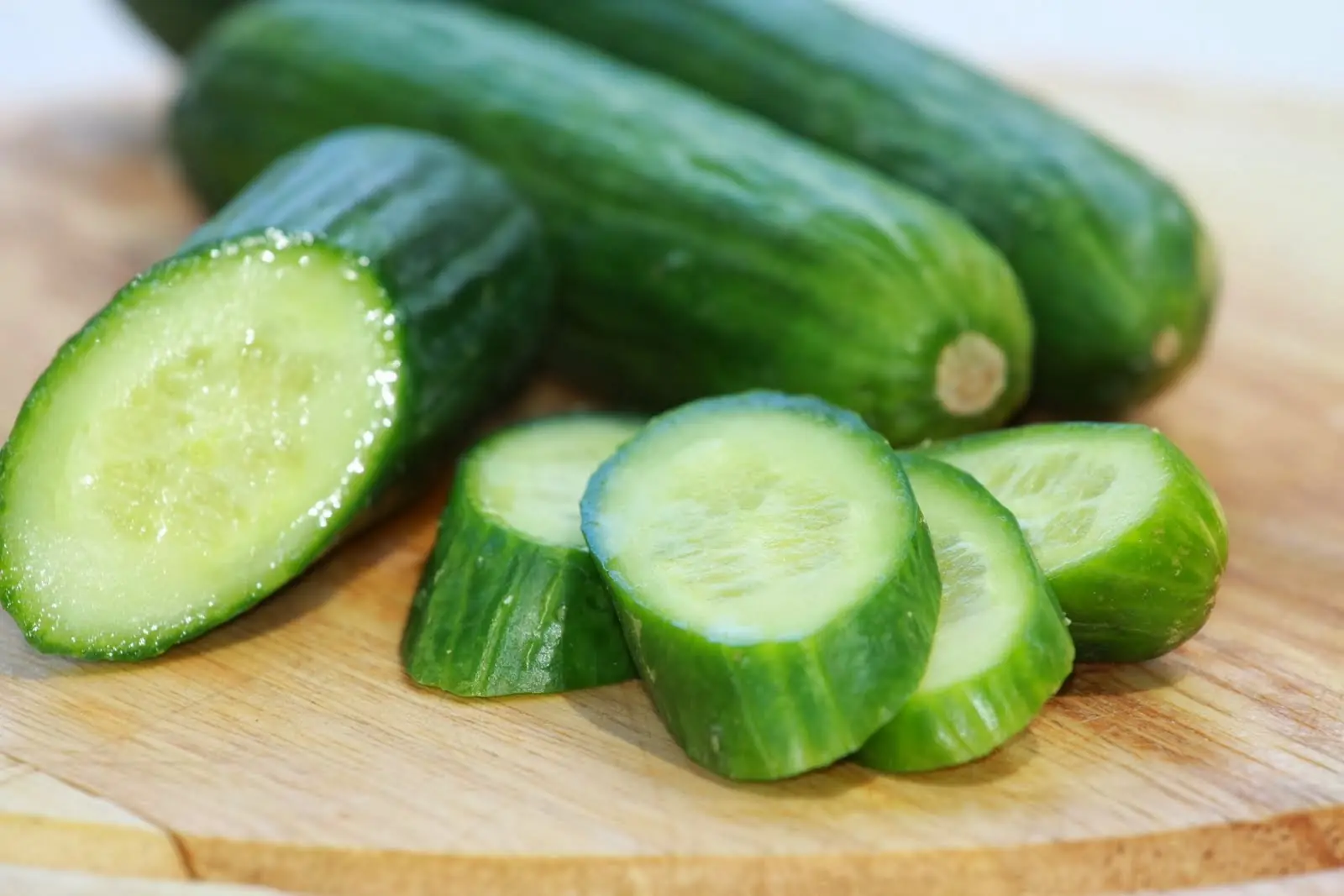
Chapter 7: Antioxidants, Skin Health, and Other Nutritional Contributions
Cucumbers also contain various plant compounds with antioxidant properties.
Antioxidants help protect cells against oxidative damage caused by unstable molecules known as free radicals.
Oxidative stress is involved in several biological processes associated with aging and chronic disease. Eating a varied diet rich in fruits and vegetables provides different antioxidants and other beneficial plant compounds.
Cucumbers contribute to this variety, although they are not among the most concentrated sources of antioxidants.
Their skin contains additional plant compounds, including certain phenolic substances and cucurbitacins.