
Digestive Bloating and Gut Bacteria: Helpful Habits That May Make a Difference
How to Support a Healthier Gut and Reduce Bloating Naturally
Health 11/05/2026 15:03
Eggs are one of the most popular and nutritious foods in the world. Affordable, versatile, and packed with essential nutrients, eggs have long been recommended by nutrition experts as part of a balanced diet.
But what actually happens if you eat eggs every day?
According to doctors and nutritionists, moderate egg consumption may offer several health benefits — although balance and individual health needs still matter.
Here’s what experts say. 👇

Eggs are considered a complete protein source because they contain all nine essential amino acids the body needs.
Protein helps support:
One large egg contains about 6 grams of protein. (harvard.edu)
Eggs are rich in choline, an important nutrient involved in brain and nervous system function.
Choline helps support:
Many people do not get enough choline in their diets. (nih.gov)
Eggs naturally provide nutrients such as:
Vitamin D is especially important because relatively few foods naturally contain it.
Egg yolks contain antioxidants called lutein and zeaxanthin, which may help protect the eyes from oxidative stress and age-related vision problems. (aao.org)
Because eggs are rich in protein and nutrients, they may help reduce hunger and increase satiety.
Some studies suggest that protein-rich breakfasts may help reduce snacking later in the day. (mayoclinic.org)
For years, eggs were controversial because egg yolks contain cholesterol.
However, current research suggests that for most healthy people, moderate egg consumption does not significantly increase heart disease risk. The body’s response to dietary cholesterol can vary from person to person. (heart.org)
Still, people with certain medical conditions — such as diabetes or high cholesterol — should follow personalized advice from their healthcare provider.

While eggs can be healthy, experts recommend moderation and dietary variety.
Eating excessive amounts may not be appropriate for people with:
Preparation also matters. Fried eggs cooked in large amounts of butter or processed meats may reduce the overall health benefits.
Eggs can be a nutritious addition to a balanced diet, offering protein, vitamins, minerals, and nutrients that support the brain, eyes, and overall health.
Doctors say that for most people, eating eggs in moderation can be part of a healthy lifestyle — especially when combined with vegetables, fruits, whole grains, and regular exercise. 🥚
How to Support a Healthier Gut and Reduce Bloating Naturally

The Powerful Benefits of Oranges and Smart Ways to Include Them in Your Diet

Many People Notice These Tiny White Spots — But Few Know What Causes Them
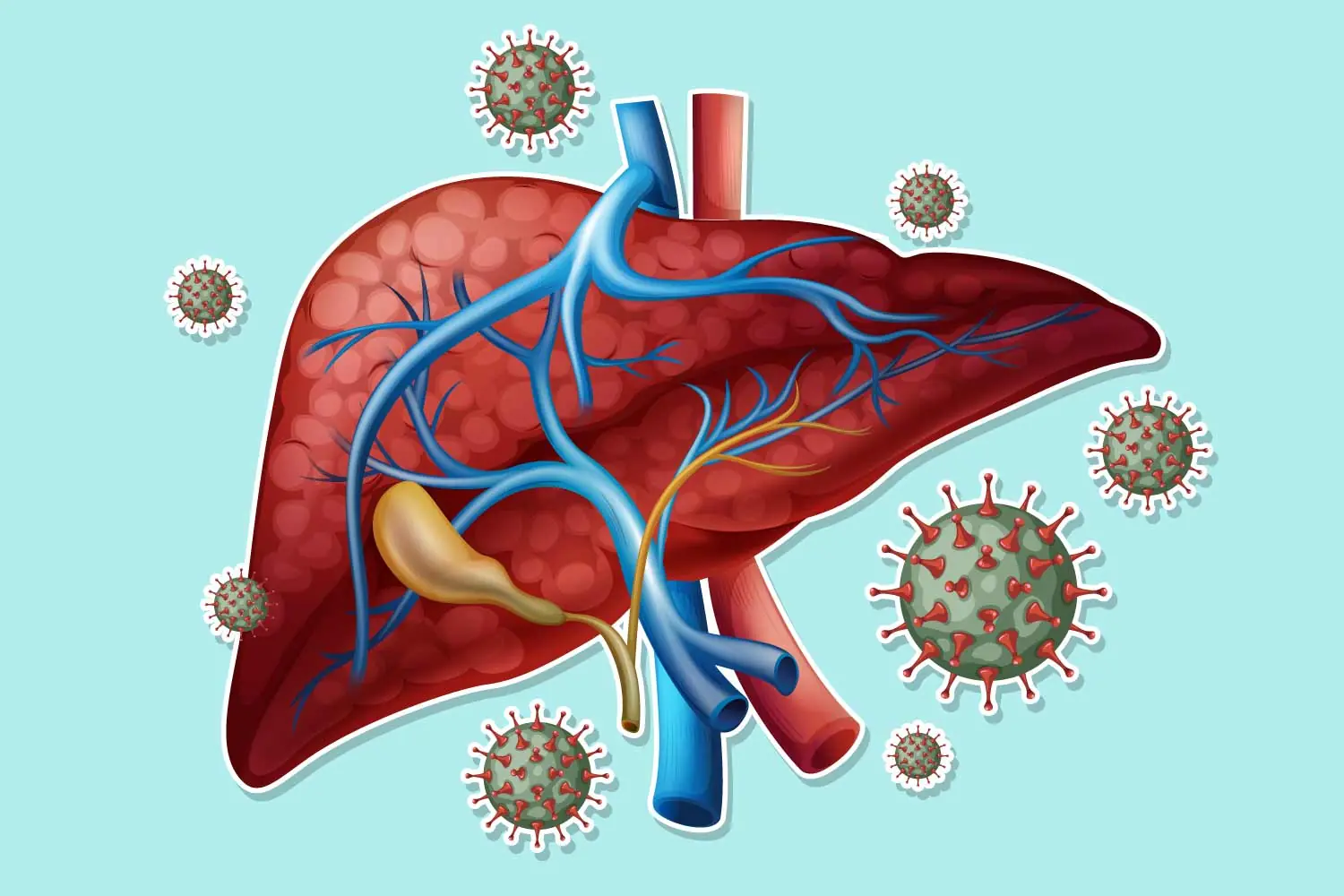
4 Nighttime Signs That Could Indicate Your Liver Is Not Functioning Properly 😲

Discover Water Caltrop - The Unusual “Buffalo Horn” Aquatic Food

A famous YouTuber died in his sleep at just 28 — doctors say millions of young people are making the same mistake

Drinking Too Much Coconut Water May Affect Your Body in Unexpected Ways
Doctors Explain Where Pain Can Occur When the Liver Is Affected

Doctors Explain Why Veins in the Hands Sometimes Become More Visible

Doctors Reveal the Surprising Effects of Sweet Potatoes on Digestion, Blood Sugar, and More
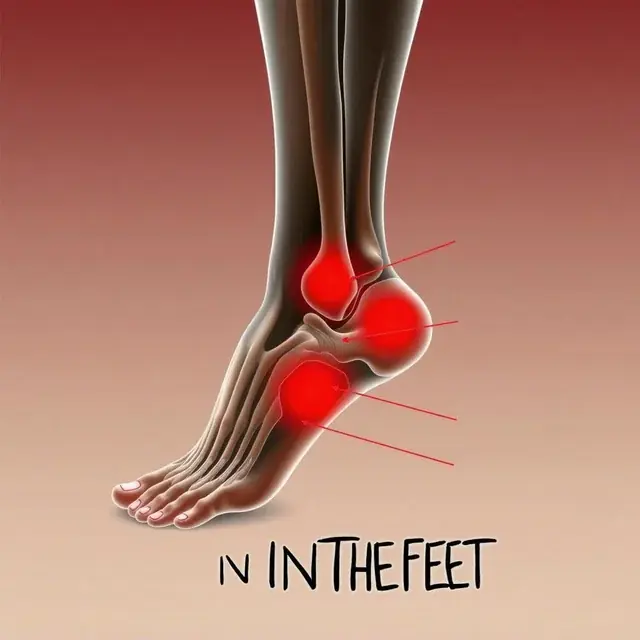
This Is Why Your Heel Hurts When You Get Out of Bed in the Morning


What Happens to Your Body When You Eat Chayote Every Day? Experts Explain

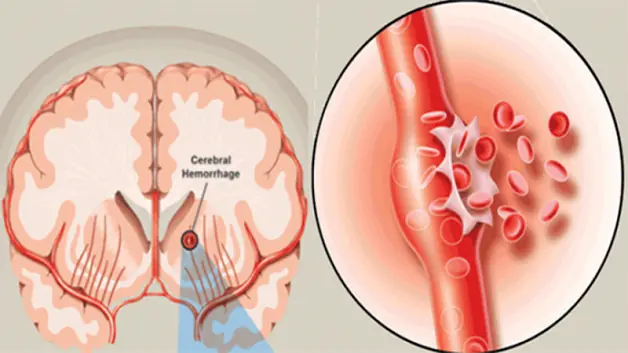
Key Signs of an Aneurysm That Should Not Be Ignored

Okra May Do More for Your Body Than You Think — Here’s What Experts Say 😲



Eating Cucumbers Daily: Potential Benefits and Things to Know
How to Support a Healthier Gut and Reduce Bloating Naturally

Choosing Shrimp? The Shape May Reveal More Than You Think

The Hidden Risks of Keeping Plastic Water Bottles Inside Hot Cars
The Powerful Benefits of Oranges and Smart Ways to Include Them in Your Diet
Many People Notice These Tiny White Spots — But Few Know What Causes Them
4 Nighttime Signs That Could Indicate Your Liver Is Not Functioning Properly 😲

Only the Most Observant People Can Find Every Dog Here!
Discover Water Caltrop - The Unusual “Buffalo Horn” Aquatic Food
A famous YouTuber died in his sleep at just 28 — doctors say millions of young people are making the same mistake
Drinking Too Much Coconut Water May Affect Your Body in Unexpected Ways

What Happens to Your Body When You Eat Cashews Every Day? Experts Explain 👇
Doctors Explain Where Pain Can Occur When the Liver Is Affected

Doctors reveal the truth about tilapia for children and older adults
Doctors Explain Why Veins in the Hands Sometimes Become More Visible
Doctors Reveal the Surprising Effects of Sweet Potatoes on Digestion, Blood Sugar, and More
This Is Why Your Heel Hurts When You Get Out of Bed in the Morning

What Happens to Your Body When You Eat Chayote Every Day? Experts Explain