
Eating Eggs the Wrong Way in the Morning Wastes Nutrients and Harms Your Health — Many People Make These Mistakes
Eggs are a popular breakfast choice thanks to their high protein content and rich nutritional value. However, experts warn that eating eggs incorrectly in the morning can reduce their benefits and even negatively affect your health.
In fact, many common habits that people think are harmless may be doing more harm than good.
Common Mistakes When Eating Eggs in the Morning
1. Eating Undercooked or Raw Eggs
Some people believe that soft or raw eggs retain more nutrients. However, undercooked eggs may carry bacteria such as Salmonella, which can cause digestive issues or food poisoning.
Proper cooking is essential to ensure both safety and nutrient absorption.
2. Eating Too Many Eggs at Once
Eggs are nutritious, but eating too many in one meal—especially daily—can lead to excess cholesterol intake.
Moderation is key. Experts often recommend balancing eggs with other foods like vegetables and whole grains.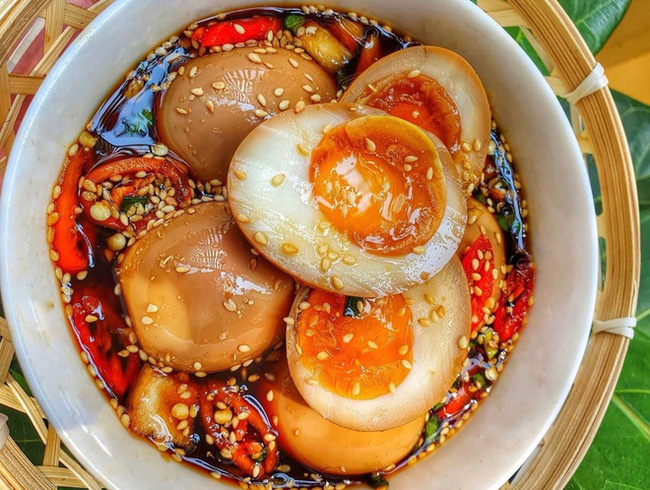
3. Combining Eggs with Unhealthy Foods
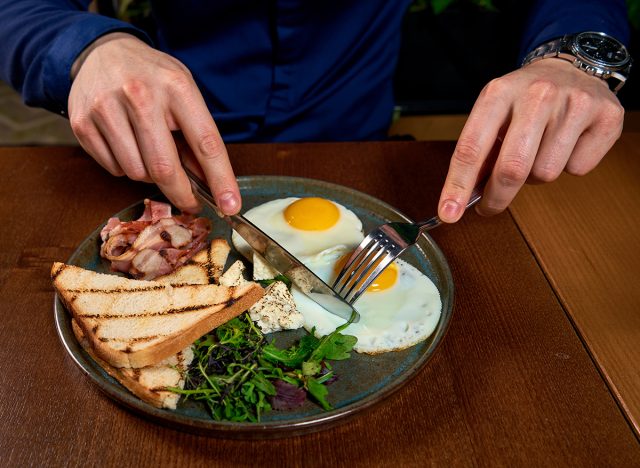
Pairing eggs with processed meats, fried foods, or excessive oil can turn a healthy breakfast into an unhealthy one.
Such combinations may increase fat intake and put extra strain on the digestive system.
4. Eating Eggs on an Empty Stomach with Poor Digestion
Although eggs are suitable for breakfast, people with weak digestion may experience bloating or discomfort if they eat eggs alone on an empty stomach.
Combining eggs with fiber-rich foods can help improve digestion.
5. Overcooking Eggs
Cooking eggs at very high temperatures or for too long can destroy some nutrients and reduce their overall value.
It can also make eggs harder to digest.
How to Eat Eggs the Right Way
To get the most benefits from eggs:
- Cook them thoroughly but avoid overcooking
- Combine with vegetables or whole grains
- Eat in moderation
- Choose healthy cooking methods like boiling or steaming
The Bottom Line
Eggs are a nutritious way to start the day—but only if eaten properly.
Small mistakes in preparation or consumption can reduce their benefits and even impact your health over time. Paying attention to how you eat is just as important as what you eat.