Ginger has been used for centuries as both a culinary ingredient and a traditional remedy. Today, it is commonly added to tea, smoothies, stir-fries, soups, sauces, and supplements. Some people consume a small amount every day because they believe it may support digestion, reduce nausea, or provide other health benefits.
And there is scientific evidence behind some of ginger's effects.
But “natural” does not automatically mean that more is better.
Eating ginger every day may be perfectly reasonable for many healthy adults, especially when it is used as a food. However, larger amounts or concentrated ginger supplements may cause side effects or interact with certain medications.
Understanding both the potential benefits and the possible downsides can help you decide how ginger fits into your diet.

What Makes Ginger Interesting?
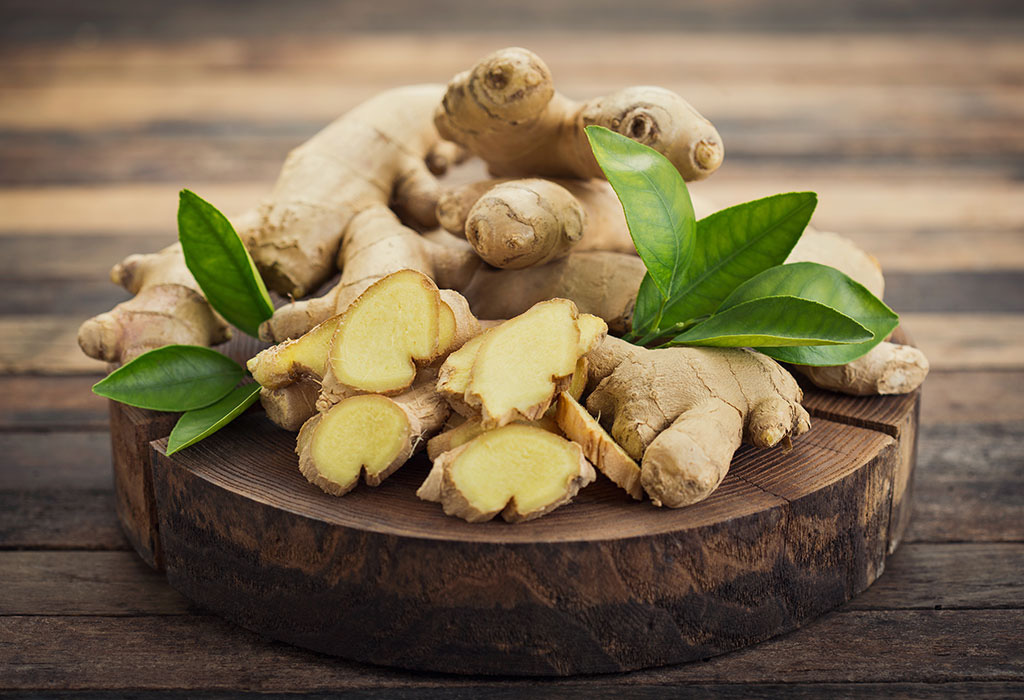
Ginger comes from the rhizome of the Zingiber officinale plant.
Its distinctive flavor and aroma come from compounds such as gingerols and shogaols. These compounds are responsible for much of the scientific interest surrounding ginger.
Fresh ginger contains a variety of naturally occurring compounds, while dried or heated ginger can have somewhat different chemical profiles.
This is one reason the effects of fresh ginger, ginger tea, powdered ginger, and concentrated supplements are not necessarily identical.
For most people, adding a modest amount of fresh or dried ginger to meals is very different from taking a high-dose ginger extract every day.
1. Ginger May Help With Nausea
One of the best-known potential benefits of ginger is its relationship with nausea.
Research has investigated ginger for several types of nausea, including nausea associated with pregnancy, surgery, and some medical treatments.
Some studies suggest that ginger may help reduce nausea and vomiting in certain situations.
This may explain why ginger tea or small amounts of fresh ginger are traditionally used when someone feels queasy.
However, ginger is not appropriate as a substitute for medical treatment when vomiting is severe or persistent.
If nausea is accompanied by severe abdominal pain, blood in vomit, dehydration, confusion, chest pain, or other serious symptoms, medical attention is important.
2. It May Support Digestion
Ginger has also been studied for its potential effects on gastrointestinal function.
Some research suggests that ginger may influence gastric emptying and gastrointestinal motility, which could help explain why people sometimes use it after a heavy meal.
You may notice that ginger tea feels soothing after eating, particularly if you experience occasional digestive discomfort.
But this does not mean ginger can cure chronic digestive disorders.
Persistent bloating, abdominal pain, reflux, diarrhea, constipation, or unexplained changes in bowel habits deserve evaluation rather than being managed indefinitely with ginger.
3. Ginger May Have Anti-Inflammatory Properties
Ginger contains biologically active compounds that have demonstrated anti-inflammatory activity, particularly in laboratory and experimental research.
Some human studies have also investigated ginger for conditions involving pain and inflammation.
For example, research has examined whether ginger supplementation may help with symptoms associated with osteoarthritis.
The results are promising in some areas, but ginger should not be presented as a replacement for established medical treatment.
If you have chronic pain or an inflammatory condition, ginger may be considered part of a healthy diet, but it should not replace prescribed medication or other recommended therapies without discussing this with your healthcare provider.
4. It May Affect Blood Sugar
Another area of scientific interest is ginger's potential effect on blood glucose regulation.
Some studies have reported improvements in certain blood-sugar measures among people with diabetes or metabolic problems who consumed ginger supplements.
However, the evidence is not strong enough to treat ginger as a diabetes medication.
This distinction matters.
If you take medication to lower blood sugar, adding concentrated ginger supplements could potentially contribute to changes in glucose levels.
People with diabetes should therefore monitor their blood sugar according to their healthcare plan and discuss supplements with their healthcare professional.
5. Ginger May Influence Cholesterol and Other Blood Lipids
Researchers have also studied ginger supplementation in relation to cholesterol and triglycerides.
Some clinical studies have reported changes in certain lipid measurements, although results have not been completely consistent.
A healthy diet containing vegetables, fruits, whole grains, legumes, nuts, seeds, and other nutrient-dense foods remains much more important for cardiovascular health than any individual spice.
In other words, adding ginger to an otherwise unhealthy diet is unlikely to cancel out the effects of poor nutrition.
Think of ginger as one small component of an overall eating pattern, not a standalone treatment.
6. Ginger Can Cause Heartburn or Stomach Irritation
While ginger may help some people with digestive discomfort, it can have the opposite effect in others.
Eating relatively large amounts may cause:
-
Heartburn
-
Stomach discomfort
-
Abdominal irritation
-
Diarrhea
-
Gas
-
Mouth or throat irritation
This is particularly relevant when consuming concentrated ginger products.
If you notice that your symptoms consistently become worse after consuming ginger, reducing the amount or stopping it may be reasonable.
There is no requirement to consume ginger every day to maintain good health.
7. Ginger May Affect Blood Clotting
One of the most important considerations involves blood-thinning medication.
Ginger may have effects on platelet aggregation and blood clotting, although the clinical significance of these effects can vary.
If you take anticoagulants or antiplatelet medications—such as warfarin, apixaban, rivaroxaban, clopidogrel, or aspirin—do not assume that large amounts of ginger supplements are automatically safe.
This does not mean that you must avoid the small amounts of ginger commonly used in cooking.
The concern is particularly relevant to concentrated supplements or high amounts.
Anyone taking blood-thinning medication should discuss regular high-dose ginger supplementation with their healthcare professional.
8. It May Lower Blood Pressure
Some research has suggested that ginger may have modest effects on blood pressure.
That could potentially be beneficial for some people, but it also means that individuals taking blood-pressure medication should be cautious about high-dose supplements.
If you already have low blood pressure or take medication that lowers blood pressure, large amounts of ginger could potentially contribute to dizziness or other symptoms in some circumstances.
Again, the amount matters.
Adding a little ginger to food is very different from taking concentrated extracts every day.