Onions are one of those foods that rarely receive the attention they deserve. They appear in soups, salads, stir-fries, sauces, sandwiches, curries, and countless home-cooked meals. They're inexpensive, easy to find, and packed with flavor.
But onions aren't just useful for making food taste better.
They also contain fiber, vitamin C, folate, potassium, and a variety of plant compounds, including sulfur-containing compounds and flavonoids such as quercetin.
Research has investigated onions for their potential relationship with cardiovascular health, blood sugar regulation, inflammation, and the gut microbiome.
That doesn't mean onions are a miracle food or that eating them every day will prevent disease. The strongest way to think about onions is as one nutritious component of an overall healthy diet.
Here's what you should know if onions are a regular part of your meals.
1. Onions Provide Valuable Plant Compounds
Onions contain several biologically active compounds.
One of the most studied is quercetin, a flavonoid with antioxidant and anti-inflammatory properties demonstrated in laboratory research.
Onions also contain sulfur-containing compounds that contribute to their characteristic smell and flavor.
The concentration of these compounds can vary depending on:
-
Onion variety
-
Growing conditions
-
Storage
-
Preparation
-
Cooking method
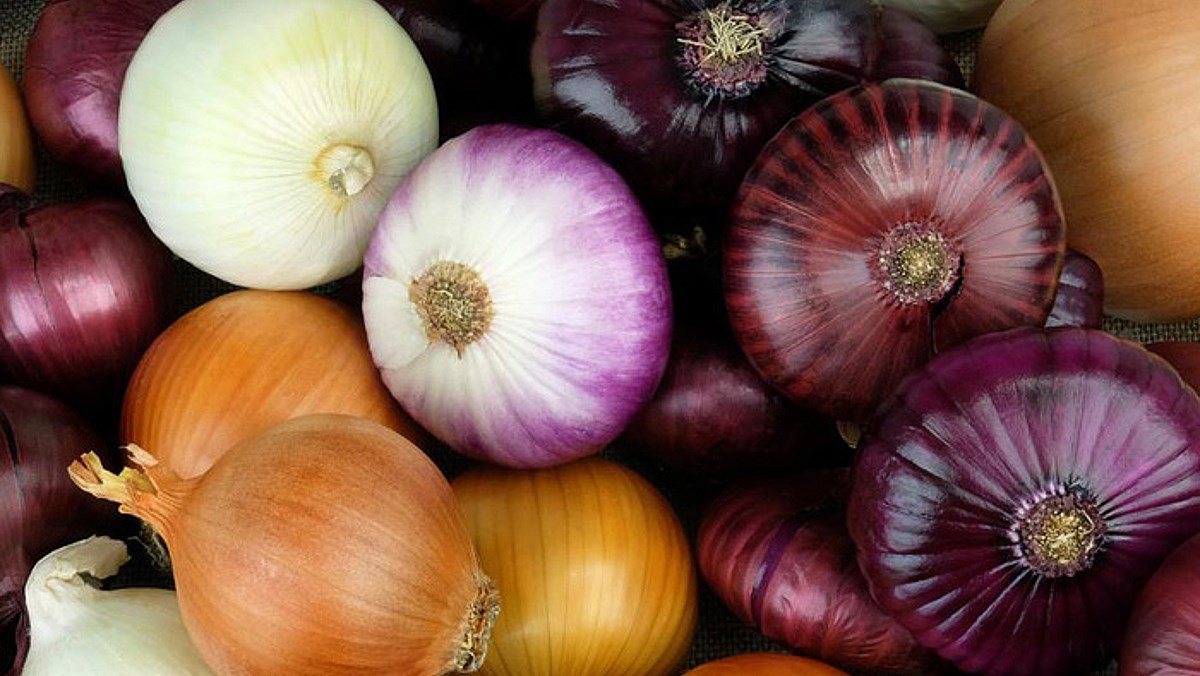
Red, yellow, and white onions can all contribute useful nutrients, although their exact nutritional profiles differ.
2. Onions Can Add Fiber to Your Diet
Onions contain dietary fiber, including certain types of prebiotic carbohydrates.
Fiber is important for:
-
Normal digestion
-
Regular bowel movements
-
Satiety
-
Blood glucose management
-
Cardiovascular health
-
Supporting a healthy gut microbiome
Onions aren't the largest source of fiber compared with beans, lentils, or whole grains, but they can contribute to your daily total.
Adding onions to meals is therefore an easy way to increase the variety of plant foods in your diet.
3. Onions Contain Prebiotics That Feed Beneficial Gut Bacteria
One particularly interesting feature of onions is their content of prebiotic compounds.
Prebiotics are substances that can be used by certain microorganisms living in the digestive tract.
When beneficial gut bacteria ferment these compounds, they can produce substances such as short-chain fatty acids, which are involved in maintaining intestinal health and have effects throughout the body.
This is part of the growing field of research surrounding the gut microbiome.
However, everyone's gut microbiome is different.
An amount of onion that feels perfectly comfortable to one person may cause gas or bloating in another.
4. Onions May Support Heart Health
Cardiovascular health is one of the areas researchers have investigated in relation to onions and their flavonoids.
Some studies have examined whether onion consumption or compounds such as quercetin may influence:
-
Blood pressure
-
Cholesterol
-
Oxidative stress
-
Blood-vessel function
Some findings are encouraging, but research on onions specifically isn't strong enough to claim that eating onions prevents heart disease.
Still, onions fit naturally into a heart-friendly eating pattern.
For example, consider a meal containing:
Onions + vegetables + beans + whole grains + fish or another healthy protein
This type of dietary pattern is much more important than any individual ingredient.
5. They May Help Support Healthy Blood Pressure
Some research has explored the relationship between onion-derived compounds and blood pressure.
Quercetin, in particular, has been studied for its potential effects on vascular function and blood pressure.
However, the evidence isn't strong enough to recommend onions as a treatment for hypertension.
If you have high blood pressure, the most important steps remain:
-
Taking prescribed medication
-
Limiting excessive sodium
-
Maintaining a healthy weight
-
Exercising regularly
-
Eating a balanced diet
-
Monitoring blood pressure
Adding onions can complement these habits but shouldn't replace them.
6. Onions May Be Helpful for Blood Sugar Management
Onions contain compounds that have been investigated for their potential effects on glucose metabolism.
Some preliminary research suggests onion extracts or concentrated preparations may influence blood glucose.
But this doesn't mean that eating onions can cure diabetes.
For people with diabetes, the overall meal is much more important.
For example:
White rice + a large sugary sauce + small amount of onion
is very different from:
Moderate whole-grain portion + vegetables + beans or fish + onions
The second meal provides more fiber and protein and generally has a more balanced nutritional profile.
7. Onions Are Low in Calories
One practical advantage of onions is that they can add a lot of flavor without contributing a large number of calories.
This makes them useful when you're trying to make healthy meals more enjoyable.
Instead of relying heavily on:
-
Creamy sauces
-
Excess cheese
-
Added sugar
-
Large amounts of oil
you can use onions along with herbs and spices to build flavor.
This can make healthier meals easier to stick with over the long term.
8. Onions Contain Vitamin C
Vitamin C is an essential nutrient involved in:
-
Immune function
-
Collagen production
-
Wound healing
-
Iron absorption
-
Antioxidant defense
Onions provide some vitamin C, although they aren't among the richest sources.
Foods such as:
-
Bell peppers
-
Citrus fruits
-
Kiwi
-
Strawberries
-
Broccoli
typically provide substantially more.
Still, onions can contribute to total vitamin C intake as part of a varied diet.
9. Onions May Support Immune Function—But They're Not an "Immune Booster"
You may see claims online that onions can dramatically "boost immunity."
That's an oversimplification.
The immune system is extremely complex and depends on many nutrients and physiological processes.
Onions provide vitamin C, plant compounds, and other nutrients that contribute to a healthy diet.
But eating extra onions doesn't make you immune to infections.
For normal immune function, focus on:
-
Adequate nutrition
-
Sufficient sleep
-
Regular physical activity
-
Appropriate vaccination
-
Good hygiene
-
Management of chronic diseases
10. Different Onion Colors Offer Different Plant Compounds
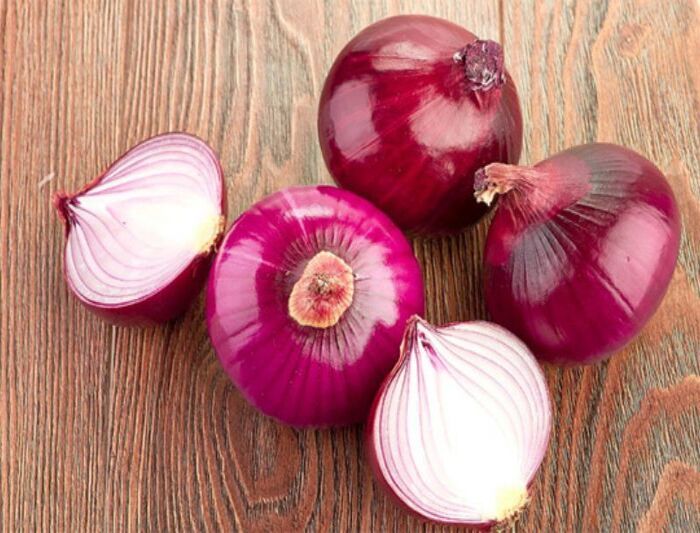
Not all onions are exactly the same.
Red Onions
Red onions are rich in pigments called anthocyanins, which contribute to their purple-red color.
They also contain quercetin and other flavonoids.
Yellow Onions
Yellow onions are widely used in cooking and contain various sulfur compounds and flavonoids.
White Onions
White onions tend to have a milder flavor and also provide beneficial plant compounds.
There is no need to choose only one variety.
Eating different types of vegetables is generally more useful than searching for a single "best" onion.
11. Raw Onions and Cooked Onions Are Not Identical
Cooking changes the chemical composition of vegetables.
Some compounds may become less available, while others may become easier to absorb or remain relatively stable.
Raw onions retain certain heat-sensitive compounds, but they can be more difficult for some people to digest.
Cooked onions are usually softer and easier to incorporate into larger meals.
The best choice is simply the one you can eat comfortably and consistently.
12. Onions May Support Digestive Health—But Can Also Cause Bloating
This is where onions get interesting.
Their prebiotic carbohydrates can support certain beneficial gut bacteria.
But those same carbohydrates can cause digestive symptoms in some people.
Onions are relatively high in fructans, a type of fermentable carbohydrate.
For people with irritable bowel syndrome (IBS) or certain digestive sensitivities, onions may trigger:
-
Gas
-
Bloating
-
Abdominal discomfort
-
Changes in bowel habits
If you consistently experience symptoms after eating onions, don't assume you need to tolerate them because they're "healthy."
Individual tolerance matters.
13. What Are FODMAPs and Why Do Onions Matter?
Onions are one of the foods commonly limited during a low-FODMAP diet.
FODMAPs are short-chain carbohydrates that can be poorly absorbed in the small intestine in some people.
They can draw water into the digestive tract and then be fermented by gut bacteria, potentially causing gas and discomfort.
A low-FODMAP diet can be useful for some people with IBS, but it should ideally be implemented with guidance from a qualified healthcare professional or dietitian.
It isn't intended as a permanent "eat as little fruit and vegetables as possible" diet.
14. Onions May Help You Eat More Vegetables
This might be their most practical benefit.
Onions are often used alongside:
-
Tomatoes
-
Bell peppers
-
Carrots
-
Broccoli
-
Spinach
-
Mushrooms
-
Cabbage
Because onions add flavor, they can make vegetable-heavy meals much more appealing.
For example, steamed vegetables may feel boring on their own.
Add sautéed onions, garlic, herbs, and a little olive oil, and the same vegetables can become much more enjoyable.
Healthy eating becomes easier when it tastes good.
15. Onions Can Be Part of a Weight-Friendly Diet
Onions themselves don't cause weight loss.
But because they're relatively low in calories and provide flavor, they can help make lower-calorie meals more satisfying.
A vegetable-rich stir-fry with onions can be much more filling for the same calorie intake than a meal dominated by refined carbohydrates and fatty sauces.
The important factor is the overall meal.
Deep-frying onions or covering them with high-calorie sauces changes the nutritional picture considerably.
16. What About Fried Onions?
This is an important distinction.
Raw or lightly cooked onions can be nutritious.
But deep-fried onion rings are a different food.
They can contain substantial amounts of:
-
Calories
-
Fat
-
Sodium
-
Refined carbohydrates
The nutritional benefits of the onion itself don't automatically make the entire fried dish healthy.
If you're trying to make onions a regular part of your diet, methods such as:
-
Sautéing
-
Roasting
-
Grilling
-
Steaming
-
Adding them to soups
may be more practical.
17. Onions and Cholesterol
Researchers have studied onion compounds in relation to cholesterol and blood lipids.
Some experimental and small human studies suggest potential effects, but the evidence isn't strong enough to say onions significantly lower cholesterol in everyone.
If your LDL cholesterol is elevated, focus on proven strategies such as:
-
Increasing soluble fiber
-
Eating more vegetables
-
Replacing saturated fats with unsaturated fats
-
Exercising regularly
-
Maintaining a healthy weight
-
Taking prescribed medication when indicated
Onions can be part of that dietary pattern.
18. Can Onions Prevent Cancer?
This is one of the claims that needs the most caution.
Onions contain flavonoids and sulfur-containing compounds that have been investigated in laboratory studies for various biological effects.
Observational research has also examined associations between allium vegetables and certain health outcomes.
But eating onions has not been proven to prevent or cure cancer.
Cancer risk is influenced by numerous factors, including:
-
Genetics
-
Age
-
Tobacco exposure
-
Alcohol
-
Body weight
-
Physical activity
-
Diet
-
Environmental exposures
-
Infections
Don't replace cancer screening or treatment with dietary remedies.
19. Onions and Bone Health
Some preliminary research has investigated whether compounds in onions could influence bone metabolism.
However, evidence in humans remains limited.
For strong bones, focus on established factors such as:
-
Adequate calcium
-
Vitamin D
-
Protein
-
Weight-bearing exercise
-
Resistance training
-
Avoiding smoking
-
Limiting excessive alcohol
Onions can contribute to an overall nutritious diet but aren't a stand-alone bone-strengthening treatment.
20. What Happens If You Eat Onions Every Day?
For most people who tolerate them well, eating onions regularly can simply mean you're consuming another source of:
-
Fiber
-
Vitamin C
-
Flavonoids
-
Sulfur-containing compounds
-
Other plant nutrients
You may also find that onions help you eat more vegetables and use less salt or heavy sauces.
But eating onions every day isn't mandatory.
You can obtain similar categories of nutrients from many other vegetables.
21. How Much Onion Should You Eat?
There is no official universal "daily onion dose."
A modest amount used in meals is enough to contribute to your overall diet.
For example, adding a few tablespoons of chopped onion to:
-
Salads
-
Soups
-
Omelets
-
Stir-fries
-
Grain bowls
is a perfectly reasonable approach.
You don't need to eat a whole raw onion every day to get health benefits.
In fact, doing so may cause digestive discomfort.
22. Who Should Be Careful With Onions?
Most people can enjoy onions without problems.
However, caution may be appropriate for people with:
IBS or FODMAP Sensitivity
Onions are a common trigger for digestive symptoms.
Severe Acid Reflux
Raw onions can worsen reflux symptoms in some individuals.
Allergy
True onion allergy is uncommon but possible.
Digestive Disorders
People with certain gastrointestinal conditions may need individualized dietary advice.
If onions consistently cause significant symptoms, talk with a healthcare professional rather than simply increasing your intake because you've heard they're healthy.
23. How to Add More Onions to Your Meals
There are plenty of simple options.
Breakfast
Add sautéed onions to eggs or an omelet.
Lunch
Mix chopped onions into a salad or grain bowl.
Dinner
Add onions to:
-
Stir-fries
-
Soups
-
Bean dishes
-
Roasted vegetables
-
Fish
-
Chicken
-
Tofu
Snack or Side Dish
Try a tomato, cucumber, and onion salad with lemon juice and herbs.
24. A Simple Onion and Vegetable Dish
Try this easy combination:
Ingredients
-
Sliced onion
-
Bell pepper
-
Broccoli
-
Carrot
-
Garlic
-
Small amount of olive oil
-
Black pepper
-
Lemon juice
Method
Lightly sauté the onion and garlic.
Add the vegetables and cook until tender but still slightly crisp.
Finish with lemon juice and black pepper.
This gives you a flavorful vegetable side dish without relying heavily on salt or sugary sauces.
25. Don't Confuse Onion With Onion Supplements
Eating onions and taking an onion extract are very different.
Supplements can contain concentrated amounts of specific compounds.
Concentrated extracts may have different effects, interactions, and safety considerations.
If you are taking multiple medications, don't assume an onion-derived supplement is automatically safe just because onions are a normal food.
For most people, getting nutrients from whole foods is the simpler option.
Common Myths About Onions
Myth 1: Onions "clean your blood."
Your liver and kidneys already process and eliminate many waste products. Onions don't literally purify your blood.
Myth 2: Eating raw onion cures infections.
There isn't sufficient evidence to support using onions as a replacement for appropriate treatment of bacterial or viral infections.
Myth 3: The more onions you eat, the healthier you become.
Large amounts can cause digestive discomfort, and there is no reason to consume excessive quantities.
Myth 4: Fried onions have the same benefits as fresh onions.
Cooking method matters. Deep-fried onion products can be much higher in calories, fat, and sodium.
Myth 5: Onions prevent cancer.
Onions contain interesting plant compounds, but no single food can guarantee cancer prevention.
The Bottom Line
Eating onions regularly can be a simple way to add fiber, vitamin C, flavonoids, and sulfur-containing plant compounds to your diet.
Research has explored their potential relationship with:
Heart health
Blood pressure
Blood sugar regulation
Digestive health
Inflammation
Gut microbiome health
But the evidence varies, and onions should not be considered a cure for any disease.
For most people, the best approach is simply to use onions as part of a varied, plant-rich diet.
Choose raw or cooked onions according to your tolerance, and pair them with vegetables, legumes, whole grains, and healthy protein sources.
Final Thoughts
There's no need to turn onions into a miracle food.
Their real value is much more practical.
They're affordable, versatile, flavorful, and naturally rich in several beneficial plant compounds. They can make vegetables, beans, whole grains, and lean proteins more enjoyable without requiring excessive salt or heavy sauces.
If your digestive system tolerates them, adding onions to meals regularly can be a small but useful part of a healthy eating pattern.
At the same time, listen to your body. If onions consistently trigger bloating, reflux, or abdominal pain, eating more isn't necessarily better.
Healthy eating isn't about one magical ingredient. It's about building a diverse diet that you can enjoy and maintain for years. And onions can absolutely be part of that picture.