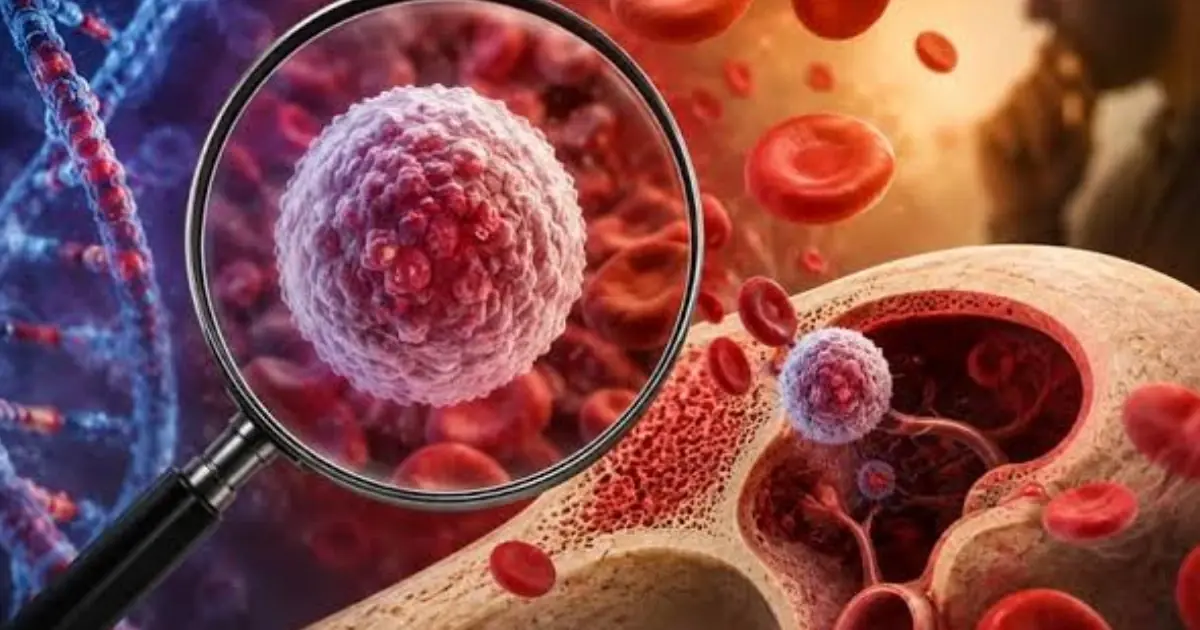
Your Blood Type May Be Linked to Cancer Ris k— These 3 Types Stand Out in Research
3 Blood Types Have Been Linked to Higher Risks of Certain Cancers—What’s Yours? 👇
⏱️ 1 min read 23/08/2026 16:39
Processed meat is a common part of modern diets. Bacon at breakfast, sausage in a sandwich, ham on toast, hot dogs at a barbecue, or deli meat in a quick lunch can all seem like convenient choices when you're short on time.
The problem isn't that eating processed meat once in a while automatically makes a diet unhealthy. The bigger concern is frequent or high consumption over time, particularly when processed meats replace healthier sources of protein and are regularly eaten alongside refined carbohydrates, excess sodium, and highly processed foods.
Processed meats can include foods such as bacon, ham, sausages, hot dogs, salami, pepperoni, corned beef, and other meats that have been transformed through salting, curing, fermentation, smoking, or similar processes.
So what happens when these foods become a regular part of your diet?
The effects can go far beyond your next meal.

Before discussing the potential health concerns, it's important to understand what "processed meat" actually means.
Fresh meat is generally considered unprocessed if it has simply been cut, minced, or frozen without substantial preservation or flavoring processes.
Processed meat, on the other hand, has typically undergone processes designed to improve its flavor, texture, shelf life, or preservation.
Common examples include:
Bacon
Sausage
Hot dogs
Ham
Salami
Pepperoni
Deli meats
Cured beef
Corned beef
Smoked meat
Some canned meat products
Not every processed meat product has the same nutritional profile.
Some may contain more sodium.
Others may contain more saturated fat.
Some contain added sugars or other ingredients.
That's why it's useful to look beyond the word "processed" and consider the specific food, portion size, and how frequently you eat it.
One of the biggest concerns with many processed meats is their sodium content.
Salt is commonly used during processing to help preserve meat and enhance flavor.
If you eat bacon, sausage, ham, and deli meat regularly, your sodium intake can add up surprisingly quickly.
Excess sodium can contribute to increased blood pressure in many people.
And blood pressure matters because long-term high blood pressure can place additional stress on the cardiovascular system, kidneys, and blood vessels.
You may not notice any immediate symptoms from consuming too much sodium.
That's part of what makes excessive sodium intake easy to overlook.
Your body needs sodium.
It plays important roles in maintaining fluid balance, nerve function, and muscle contraction.
The issue is consuming more than your body needs on a regular basis.
For some people, excessive sodium intake can increase blood pressure.
If your diet contains processed meat several times a day, you may be consuming substantial amounts of sodium without realizing it.
For example, a breakfast containing bacon, a lunch with deli meat, and a dinner containing sausage can create a high-sodium day before you even account for sauces, packaged foods, snacks, and other sources.
If you already have high blood pressure, paying attention to processed meats may be particularly important.
Frequent consumption of processed meat has been associated with a higher risk of cardiovascular disease in observational research.
There are several possible reasons.
Processed meat can be high in:
Sodium
Saturated fat
Calories
Preservatives
Other compounds formed during processing or cooking
A diet high in these foods may contribute to risk factors such as high blood pressure, unhealthy cholesterol levels, excess body weight, and metabolic problems.
But it's important not to oversimplify the relationship.
Eating one sausage does not suddenly damage your heart.
The concern is the long-term dietary pattern.
Some processed meats contain substantial amounts of saturated fat.
Saturated fat can raise LDL cholesterol in many people.
LDL cholesterol is often referred to as "bad cholesterol" because elevated levels can contribute to plaque buildup in the arteries.
Over time, that process can increase cardiovascular risk.
Not every processed meat contains the same amount of saturated fat.
Some products are relatively lean, while others are considerably fattier.
That's why checking nutrition labels can be useful.
If processed meat frequently replaces healthier protein sources, your overall diet may become higher in saturated fat and lower in foods that support cardiovascular health.
This can affect your blood lipid profile.
For people concerned about cholesterol, it's worth considering the entire pattern.
Instead of asking:
"Can I eat bacon?"
ask:
"How often am I eating bacon, what else am I eating, and what does my overall diet look like?"
A person's cholesterol level is influenced by many factors, including genetics, physical activity, body weight, dietary pattern, and certain medical conditions.
One of the most important health concerns associated with processed meat is its relationship with colorectal cancer.
Processed meat has been classified as carcinogenic to humans based on evidence linking consumption with colorectal cancer.
This doesn't mean that eating a hot dog once means you will develop cancer.
It means that regular consumption is associated with increased risk, particularly as intake increases.
The mechanisms are complex and may involve compounds formed during processing, preservation, and cooking.
This is one of the strongest reasons health organizations encourage people to limit processed meat consumption.
Processing methods can produce or involve substances that may be relevant to health.
For example, curing often involves nitrates or nitrites.
Under certain conditions, these compounds can participate in chemical reactions that produce nitroso compounds.
Some of these compounds can damage cells and DNA.
High-temperature cooking can also produce compounds such as heterocyclic amines and polycyclic aromatic hydrocarbons.
These substances aren't unique to processed meat, but cooking methods can influence their formation.
This is another reason why preparation matters.
Grilling, frying, roasting, or cooking meat at very high temperatures can create compounds that are potentially harmful when exposure is frequent.
You may notice blackened or heavily charred areas on meat.
Those heavily burned portions are best avoided.
This doesn't mean you have to stop grilling altogether.
Instead:
Avoid excessive charring
Don't intentionally burn meat
Use moderate cooking temperatures when possible
Turn meat regularly
Avoid eating heavily blackened portions
The goal is moderation, not fear.
This is an important issue that often gets overlooked.
Suppose your lunch is a large processed-meat sandwich.
Because the meal is filling, you may end up eating fewer:
Vegetables
Beans
Whole grains
Nuts
Seeds
Fresh fruit
The problem isn't only what the processed meat adds.
It's also what it may replace.
A healthier diet isn't simply about removing individual foods.
It's about making room for nutrient-dense foods that provide fiber, vitamins, minerals, and beneficial plant compounds.
Meat itself doesn't provide dietary fiber.
Fiber comes primarily from plant foods.
If your diet contains lots of processed meat but very few vegetables, fruits, legumes, or whole grains, your overall fiber intake may be low.
Fiber is important for:
Digestive health
Regular bowel movements
Blood sugar regulation
Cholesterol management
Supporting a healthy gut environment
A plate centered around processed meat can therefore become nutritionally unbalanced if it consistently pushes plant foods to the side.
The gut contains trillions of microorganisms that interact with the foods you eat.
A diet rich in plant-based foods provides different types of fiber and compounds that can support a diverse gut microbiome.
Meanwhile, diets high in processed meats and low in plant foods may provide less of the fiber needed by beneficial gut bacteria.
Some research has also investigated compounds produced when certain components of meat are metabolized by gut bacteria.
The science is still developing, but one message is clear:
Your overall dietary pattern matters for gut health.
Processed meats don't automatically cause digestive problems.
But a diet high in processed foods and low in fiber can contribute to constipation and other digestive complaints.
If your typical day includes:
Bacon
Sausage
Deli meat
White bread
Chips
Few vegetables
Few fruits
you may be missing the fiber and fluid your digestive system needs.
Adding more plant foods can often improve the overall balance of the diet.
Some processed meats are calorie-dense because they contain significant amounts of fat.
Eating them frequently can make it easier to consume more calories than your body needs.
This becomes especially relevant when processed meats are combined with:
Cheese
Mayonnaise
Fried foods
Refined bread
Sugary drinks
High-calorie sauces
The result can be a meal that is much more calorie-dense than it initially appears.
No single food automatically causes weight gain.
Body weight is influenced by overall energy intake, activity, metabolism, sleep, genetics, medications, and many other factors.
However, regularly consuming calorie-dense processed meats can make it easier to maintain a calorie surplus.
Over time, excess body weight can increase the risk of:
Type 2 diabetes
High blood pressure
Cardiovascular disease
Fatty liver disease
Sleep apnea
Other chronic conditions
This is another reason portion size and dietary balance matter.
If you already have hypertension, regularly eating high-sodium processed meats may make your diet more difficult to manage.
Consider how often you eat:
Bacon
Sausage
Ham
Salami
Deli meat
Hot dogs
Then consider other major sodium sources in your diet.
You may discover that your daily sodium intake is considerably higher than you expected.
Reducing processed meat can be one practical step toward lowering dietary sodium.

If you already have:
High LDL cholesterol
High blood pressure
Diabetes
Heart disease
A history of stroke
Obesity
your overall dietary pattern deserves particular attention.
That doesn't necessarily mean you have to eliminate processed meat completely.
But eating it less frequently and replacing it with healthier protein sources may be a useful strategy.
Individual dietary recommendations should take your health history into account.
Research has also found associations between higher consumption of processed meat and increased risk of type 2 diabetes.
The relationship is likely influenced by multiple factors rather than one single ingredient.
People who frequently consume processed meat may also have diets higher in refined carbohydrates, calories, sodium, and saturated fat and lower in fiber.
Some biological mechanisms related to inflammation, metabolic health, and compounds found in processed meat have also been investigated.
Again, the key word is pattern.
Processed meat is particularly easy to overconsume because it's convenient.
You don't have to cook a chicken breast.
You can simply open a package of deli meat.
You don't have to prepare a complicated breakfast.
You can put bacon or sausage in a pan.
You don't have to plan lunch.
You can grab a packaged sandwich.
Convenience can gradually turn an occasional food into a daily habit.
And once the habit becomes routine, people may stop thinking about how frequently they're eating it.
For many people, breakfast is where processed meat appears most frequently.
Think about a typical breakfast:
Bacon + sausage + eggs + toast
The eggs aren't necessarily the problem.
The bigger issue may be the combination of processed meat, refined carbohydrates, added fats, and a lack of fruits and vegetables.
A simple change could be:
Eggs + vegetables + whole-grain toast + fruit
You don't have to completely redesign your diet to make meaningful improvements.
Deli meats are often considered convenient because they require no cooking.
But if you eat a ham or salami sandwich every day, you're getting repeated exposure.
Consider alternating with:
Grilled chicken
Tuna
Beans
Lentils
Egg
Tofu
Homemade roasted meat
This creates more variety while reducing reliance on processed meat.
Sausage can make dinner easy.
But there are plenty of alternatives.
Try meals centered around:
Beans and vegetables
Lentil soup
Grilled chicken
Fresh fish
Tofu
Eggs
Lean unprocessed meat
Vegetable-based dishes
The goal isn't to make every meal complicated.
It's simply to avoid allowing processed meat to become the default protein at every meal.
Words such as:
Organic
Natural
Artisan
Premium
Farm-style
Traditional
can make a product sound healthier.
But these labels don't automatically mean that a processed meat is low in sodium, saturated fat, or other compounds associated with processing.
Always look at the nutrition label.
Check:
Sodium
Saturated fat
Serving size
Calories
Added ingredients
Marketing language can be useful, but the nutrition panel tells you much more.
Some people assume that turkey or chicken deli meat is automatically healthy because it's poultry.
Not necessarily.
It may contain less saturated fat than some types of red-meat-based processed meat, but it can still be highly processed and contain substantial sodium.
Again, the specific product matters.
Compare labels rather than relying solely on the type of meat.
No.
Different products have different nutritional profiles.
For example, one product may be:
Very high in sodium
High in saturated fat
Calorie-dense
while another may contain less saturated fat and fewer calories but still be high in sodium.
The type of processing also varies.
Therefore, it's better to think in terms of overall exposure and dietary pattern rather than treating every product as identical.
No.
Health recommendations about processed meat are primarily concerned with regular consumption and long-term patterns.
Eating a hot dog at a baseball game or bacon at a weekend breakfast doesn't automatically make your diet unhealthy.
The bigger concern is when processed meat becomes a daily staple.
Think about frequency.
Occasionally: One thing.
Several times a week: Worth evaluating.
Multiple times every day: A stronger reason to reconsider your overall pattern.
There isn't one universal number that applies perfectly to every individual.
However, many dietary recommendations encourage people to limit processed meat consumption, rather than treating it as a major everyday protein source.
If you're currently eating processed meat daily, reducing the frequency is a reasonable first step.
You don't have to make an extreme change overnight.
One of the easiest strategies is to identify your most frequent processed-meat meal.
Maybe it's breakfast.
Maybe it's lunch.
Maybe it's dinner.
Then replace processed meat in that one meal with another protein source.
For example:
Monday: eggs and vegetables
Tuesday: yogurt and fruit
Wednesday: eggs and whole-grain toast
Thursday: beans and vegetables
Friday: fresh chicken
Small changes can become sustainable habits.
Fresh, minimally processed meat can be a useful protein source.
Options include:
Chicken
Turkey
Fresh beef
Fresh pork
Fish
But portion size and cooking method still matter.
Fresh meat doesn't automatically make a meal healthy if it's deep-fried and served with large amounts of refined carbohydrates.
Again, the overall meal matters.
You don't have to become vegetarian to reduce processed meat.
Try incorporating:
Lentils
Beans
Chickpeas
Tofu
Tempeh
Nuts
Seeds
These foods can add protein while also contributing fiber and other nutrients.
Even replacing processed meat a few times per week can increase dietary variety.
A simple approach is to think about your plate as a combination of different food groups.
Aim for plenty of vegetables and other plant foods.
Add a reasonable portion of protein.
Choose a high-quality carbohydrate source when appropriate.
Include healthy fats.
Instead of making processed meat the centerpiece of every meal, treat it as an occasional component.
If you do purchase processed meat, check the nutrition label.
Look at:
The package may contain several servings.
Compare different products.
Lower is generally preferable when you're trying to support cardiovascular health.
Especially important if you're managing body weight.
Long ingredient lists aren't automatically unhealthy, but they can help you understand how heavily processed a product is.
Even foods that aren't particularly unhealthy can become problematic when portions are excessive.
A small serving of processed meat occasionally is different from a large serving every day.
If you enjoy bacon, for example, you don't necessarily need to treat it as forbidden.
You can simply use less.
A few pieces alongside a vegetable-rich breakfast is different from building the entire meal around a large amount of bacon.
People often approach healthy eating by thinking:
"What foods do I need to stop eating?"
A more sustainable approach is:
"What healthy foods can I add?"
Add:
Vegetables
Fruit
Whole grains
Beans
Nuts
Seeds
Fresh protein
As these foods become more prominent, processed meat may naturally occupy less space on your plate.
Instead of:
Bacon + sausage + white toast + sugary drink
try:
Eggs + spinach + tomatoes + whole-grain toast + fruit
You still get protein.
But you also add fiber, vitamins, minerals, and plant-based foods.
Instead of:
Salami + processed cheese + white bread + creamy sauce
consider:
Grilled chicken + vegetables + whole-grain bread + a lighter dressing
The difference isn't simply the meat.
It's the entire meal.
Instead of making sausage the main component, try:
Roasted vegetables + beans + whole grains + a small amount of fresh protein.
This provides more variety and can reduce your reliance on processed meat without making dinner complicated.
You don't necessarily have to swear it off forever.
Instead, consider making it an occasional food.
For example:
Weekend breakfast rather than daily breakfast.
That simple shift can significantly reduce your overall exposure.
The same principle applies to:
Sausage
Hot dogs
Salami
Ham
Pepperoni
Frequency matters.
It's easy to read about cancer or heart disease and become frightened by individual foods.
But healthy eating isn't about eliminating every food that has ever been associated with a health risk.
It's about creating a dietary pattern that is sustainable and nutritious.
An occasional serving of processed meat doesn't define your health.
Your long-term habits matter much more.
Imagine two people.
Person A eats bacon once a week but otherwise eats plenty of vegetables, fruits, whole grains, beans, nuts, and minimally processed foods.
Person B eats bacon every morning, sausage several times a week, deli meat for lunch, few vegetables, little fiber, and many packaged foods.
The overall dietary patterns are completely different.
That's why nutrition advice should focus on patterns rather than individual foods.
If you already have cardiovascular or metabolic risk factors, it's worth being more intentional about processed meat.
Pay particular attention if you have:
High blood pressure
High LDL cholesterol
Diabetes
Heart disease
Obesity
A strong family history of cardiovascular disease
A history of certain gastrointestinal conditions
Discuss your diet with a healthcare professional if you're unsure what changes would be appropriate for you.
Children can also consume processed meat, particularly through hot dogs, deli sandwiches, and packaged snacks.
The goal shouldn't be fear.
Instead, encourage variety.
Offer:
Eggs
Beans
Chicken
Fish
Yogurt
Nuts when age-appropriate
Vegetables
Fruits
Whole grains
Processed meat can be an occasional food rather than a daily staple.
Older adults may need adequate protein to help preserve muscle mass.
That doesn't mean processed meat is the best way to obtain it.
Other protein sources include:
Eggs
Fish
Poultry
Yogurt
Beans
Lentils
Tofu
Nuts and seeds
For someone with specific medical conditions, protein and dietary recommendations may need to be individualized.
.png)
If processed meat appears on your plate occasionally, don't panic.
If it appears at nearly every meal, it's probably worth reconsidering your habits.
Think:
Less often.
Smaller portions.
More variety.
More whole foods.
That approach is generally more sustainable than trying to follow an extreme "never eat this again" rule.
Healthy eating isn't about perfection.
You can enjoy a sausage at a family gathering.
You can eat pizza occasionally.
You can have a bacon breakfast on the weekend.
You can enjoy a sandwich while traveling.
What matters is what happens most of the time.
A healthy diet is built from repeated choices—not one meal.
If processed meat is currently part of your diet every day, don't feel like you need to completely overhaul everything overnight.
Start with one change.
Replace one processed-meat meal each week.
Then two.
Try a different protein.
Add more vegetables.
Choose whole grains.
Over time, these small decisions can change the overall pattern.
Processed meat is convenient, flavorful, and deeply embedded in many diets.
But eating it frequently may affect health in several ways.
Regular consumption has been associated with increased risks of conditions including cardiovascular disease, type 2 diabetes, and colorectal cancer. Many processed meats are also high in sodium and, depending on the product, saturated fat and calories.
That doesn't mean you need to panic every time you eat bacon or sausage.
The real issue is frequency, quantity, preparation, and the overall dietary pattern.
If processed meat is a daily staple, consider gradually replacing some servings with healthier alternatives such as vegetables, beans, lentils, eggs, fish, poultry, tofu, nuts, and other minimally processed foods.
Think of your diet as a long-term pattern rather than a list of forbidden foods.
You don't have to give up every food you enjoy. You simply need to make sure that the foods you eat most often are also the foods that support your long-term health.
A piece of bacon once in a while is one thing.
Building your entire diet around processed meat is another.
The goal isn't perfection - it's balance, variety, and making healthier choices more often.
3 Blood Types Have Been Linked to Higher Risks of Certain Cancers—What’s Yours? 👇
Before Memory Loss Becomes Noticeable, Watch for These 12 Warning Signs
Hip Pain Explained: Possible Causes and Gentle Ways to Ease Discomfort
The Surprising Reason Hard-Boiled Eggs Can Develop a Green Ring
14 Surprising Symptoms That May Point to High Bl00d Sugar
Why Do You Sleep With One Leg Outside the Blanket? The Reason May Surprise You
Sudden sleep twitches are common, but what causes them to happen?
Your Hands Could Be Offering Clues About Your Overall Health 😲
A simple classroom photo sparked a debate over children's online privacy.
What Eating Avocado May Mean for Your Health, According to Doctors
The influence of a husband’s habits on his wife’s well-being is far greater than many couples realize. Small daily choices — whether neglecting exercise or lighting a cigarette — can quietly accumulate into significant health risks over time.
You May Be Drinking Water the Wrong Way — Here's What Experts Say
70-year-old man drinks lemon water to treat high blo.od pressure for 2 years, faces unexpected outcome
Stop feeding your children these 5 foods immediately.
Tiny vegetable, massive health benefits — why experts call it the ‘king of anti-can.cer foods
Every morning when you wake up, you must pay attention to your health.
A son took his mother to a nursing home, where he visited her from time to time. One day he was called because his mother was not feeling well
If You Wake Up With Drool on Your Pillow, Don't Ignore These Possible Reasons
3 Blood Types Have Been Linked to Higher Risks of Certain Cancers—What’s Yours? 👇
Before Memory Loss Becomes Noticeable, Watch for These 12 Warning Signs
Hip Pain Explained: Possible Causes and Gentle Ways to Ease Discomfort
The Surprising Reason Hard-Boiled Eggs Can Develop a Green Ring
14 Surprising Symptoms That May Point to High Bl00d Sugar
We Found This Strange Bug in My Friend’s Hair - What Is It?
Denzel Washington Breaks Down in Grief as He Shares a Final Message for the Brave Boy Who Touched Millions of Hearts
Why Do You Sleep With One Leg Outside the Blanket? The Reason May Surprise You
Sudden sleep twitches are common, but what causes them to happen?
Your Hands Could Be Offering Clues About Your Overall Health 😲
Is Cremation a Sin? What Does the Bible Really Teach?
A simple classroom photo sparked a debate over children's online privacy.
What Eating Avocado May Mean for Your Health, According to Doctors
The influence of a husband’s habits on his wife’s well-being is far greater than many couples realize. Small daily choices — whether neglecting exercise or lighting a cigarette — can quietly accumulate into significant health risks over time.
You May Be Drinking Water the Wrong Way — Here's What Experts Say
70-year-old man drinks lemon water to treat high blo.od pressure for 2 years, faces unexpected outcome
Stop feeding your children these 5 foods immediately.