Nevertheless, proper washing is still an important food-safety step.
5. The Right Way to Wash Raw Vegetables
For most fresh vegetables, start by washing your hands with soap and water.
Then prepare a clean area for washing and preparing the produce.
Rinse vegetables thoroughly under clean, running water.
For leafy greens, separate the leaves when practical so that water can reach different surfaces.
Remove visibly damaged or spoiled portions.
For firm vegetables such as carrots or cucumbers, gently rubbing the surface while rinsing can help remove dirt and debris.
You do not generally need special detergents or household cleaning products.
In fact, do not wash produce with bleach, soap, or other household chemicals unless a product is specifically designed and approved for that purpose and its instructions say otherwise.
Soap and household cleaners are not meant to be consumed.
6. What About Vinegar or Salt Water?
A popular home practice is soaking vegetables in salt water or vinegar water.
Many people believe this completely eliminates parasites.
That claim is too strong.
Vinegar or salt solutions may help remove certain residues or surface contamination under some circumstances, but they should not be treated as a guaranteed method for eliminating parasites or making contaminated produce completely safe.
The most important principles remain:
Clean water. Thorough rinsing. Clean hands. Clean utensils. Proper storage.
If a vegetable is suspected of being significantly contaminated, simply soaking it in a homemade solution should not be considered a substitute for proper food-safety practices.
7. Don't Forget Your Hands
One of the most overlooked sources of contamination is not the vegetable.
It is your hands.
Imagine buying fresh lettuce from a store.
You bring it home, put it on the counter, open the package, cut it, and then use the same unwashed hands to touch other foods.
Even if the lettuce was relatively clean, microorganisms can potentially be transferred between surfaces.
Before preparing raw vegetables, wash your hands with soap and running water for approximately 20 seconds.
Wash again after handling:
- Raw meat
- Poultry
- Eggs
- Animal waste
- Dirty produce
- Garbage
- Pet food
This simple habit can significantly improve kitchen hygiene.
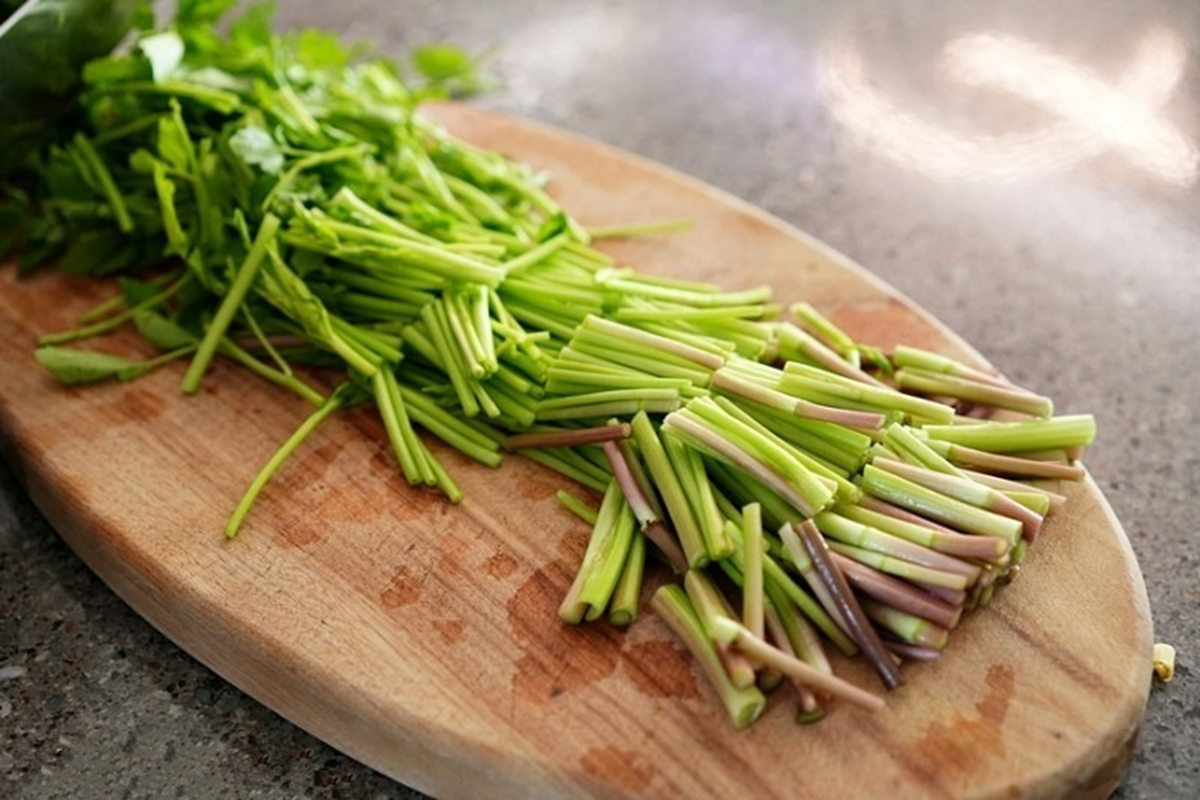
8. Keep Raw Vegetables Away From Raw Meat
Cross-contamination is another major food-safety issue.
Suppose you use a cutting board to prepare raw chicken and then place lettuce on that same board without cleaning it.
The lettuce is going to be eaten raw.
There is no cooking step afterward to kill microorganisms that may have been transferred from the chicken.
That creates an unnecessary risk.