Food combinations are often the subject of alarming health claims online.
You may have seen warnings suggesting that certain foods become "toxic" when eaten together, produce cancer-causing substances, or create dangerous chemical reactions inside the body. These claims can sound convincing, especially when they are presented as advice from a doctor or nutrition expert.
But the reality is much more nuanced.
There is no good evidence that ordinary combinations of three common foods suddenly become poisonous or cancer-causing simply because they are eaten at the same meal.
However, some combinations can be less healthy than others depending on how the foods are prepared, how much you eat, and how frequently you consume them.
For example, a meal combining processed meat, heavily charred foods, and a large amount of alcohol may contain several factors associated with increased long-term health risks. The concern isn't that these three foods magically "create toxins" when mixed together. Rather, each component may contribute its own nutritional or chemical risks.
Understanding the difference can help you make smarter food choices without unnecessary fear.
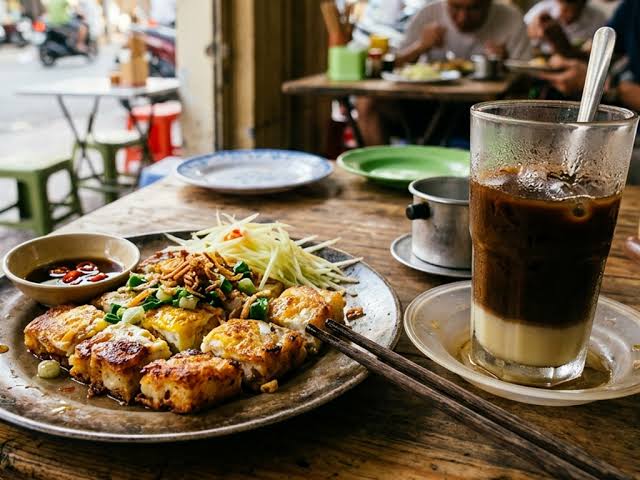
1. Processed Meat Deserves Special Attention
Processed meat includes foods such as:
-
Bacon
-
Sausages
-
Ham
-
Salami
-
Hot dogs
-
Cured meats
-
Some smoked meats
These products may contain preservatives such as nitrites and nitrates, depending on how they are manufactured.
During certain processing and cooking conditions, compounds called N-nitroso compounds can form.
Some N-nitroso compounds are carcinogenic, and processed meat consumption has been associated with an increased risk of colorectal cancer.
But this doesn't mean eating a sausage automatically creates cancer-causing chemicals inside your body.
The relationship is about exposure over time and overall dietary patterns.
2. High-Temperature Cooking Changes the Picture
How you cook food can matter.
When meat is cooked at very high temperatures—particularly when it is grilled, barbecued, pan-fried, or otherwise exposed to intense heat—chemical compounds such as heterocyclic amines (HCAs) and polycyclic aromatic hydrocarbons (PAHs) can form.
These compounds are of interest because some have carcinogenic properties.
The amount formed depends on factors such as:
-
Cooking temperature
-
Cooking time
-
Degree of browning or charring
-
Cooking method
-
Type of food
This is why heavily charred meat isn't an ideal everyday food.
3. Burnt Food Isn't the Same as "Poison"
You may have heard that blackened or burnt food is "full of toxins."
That's an oversimplification.
Cooking food produces thousands of chemical reactions. Some compounds can be undesirable at high levels, while others contribute to flavor and aroma.
The sensible approach isn't to panic every time food becomes slightly browned.
Instead, avoid regularly eating heavily charred or burnt foods, especially when they are part of a diet already high in processed meat.
4. Alcohol Adds Another Consideration
Alcohol is another factor worth discussing.
Alcohol consumption is associated with an increased risk of several cancers, including cancers of the:
-
Mouth
-
Throat
-
Esophagus
-
Liver
-
Breast
-
Colon and rectum
The risk generally increases with the amount consumed.
Alcohol is metabolized into acetaldehyde, a compound that can damage DNA and is classified as carcinogenic.
This is an established biological mechanism.
But again, alcohol doesn't become dramatically more dangerous because it is eaten with a particular vegetable or protein.
The concern is primarily alcohol exposure itself and the overall amount consumed.
5. What Happens When These Foods Appear in One Meal?
Consider a meal containing:
Processed sausage + heavily charred meat + alcohol
This may sound like a "toxic combination."
But that's not the scientifically accurate way to describe it.
The concern is that you're combining multiple established or suspected risk factors in one dietary pattern:
-
Processed meat can contribute to cancer risk.
-
High-temperature cooking can generate potentially harmful compounds.
-
Alcohol independently increases cancer risk.
Eating them together doesn't necessarily create a brand-new poison.
Instead, the meal may simply contain several exposures that are better limited.
6. Nitrates and Nitrites Are More Complicated Than Headlines Suggest
Nitrates and nitrites often receive negative attention because of their association with processed meat.
However, these compounds aren't inherently "bad."
Nitrates occur naturally in many vegetables, particularly:
-
Spinach
-
Lettuce
-
Arugula
-
Beetroot
-
Celery
Vegetables also contain vitamin C, polyphenols, and other compounds that can influence how nitrate and nitrite behave in the body.
So it's misleading to claim that all nitrates are dangerous.
The food source and overall dietary context matter.
7. Vegetables Don't Become Cancer-Causing Just Because You Eat Them With Meat
This is another common misconception.
Some online claims suggest that combining vegetables containing nitrates with meat somehow creates dangerous substances immediately.
Human digestion is much more complicated than that.
The body processes thousands of compounds simultaneously, and the effect of a food depends on:
-
Amount consumed
-
Preparation
-
Individual metabolism
-
Overall dietary pattern
-
Other nutrients present
There is no simple rule saying:
"Food A + Food B = cancer."
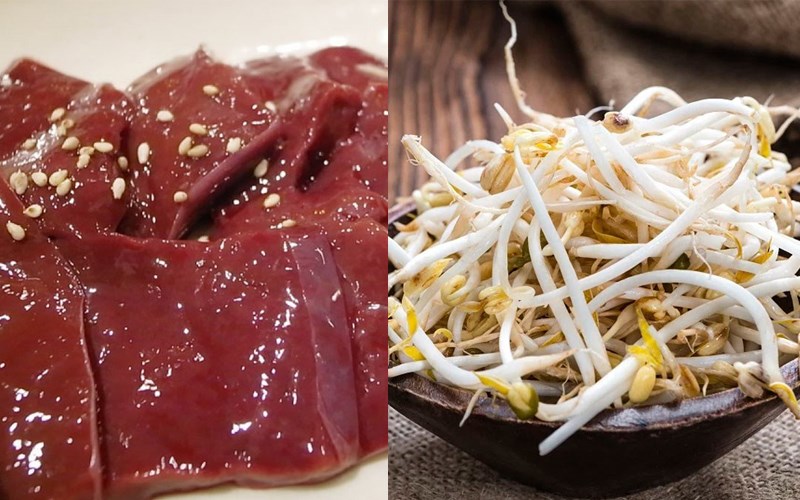
8. What About Eggs and Other Protein Foods?
Eggs are sometimes included in viral lists of "dangerous food combinations."
There is no established evidence that eating eggs together with ordinary foods such as vegetables, meat, dairy, or grains creates a toxic chemical reaction in healthy people.
Eggs provide:
-
High-quality protein
-
Choline
-
Selenium
-
Vitamin B12
-
Riboflavin
-
Other nutrients
For most people, eggs can be part of a balanced diet.
The bigger concern is usually how the entire meal is prepared.
For example, eggs cooked with large amounts of processed meat and butter are nutritionally different from eggs served with vegetables and whole-grain toast.
9. What About Milk and Fruit?
Another common internet claim is that milk should never be combined with certain fruits.
For most healthy people, there is no scientific basis for saying that ordinary combinations of milk and fruit create toxins.
In fact, yogurt with berries or a smoothie containing milk and fruit can be a nutritious meal.
Some people may experience digestive discomfort from specific combinations because of:
-
Lactose intolerance
-
Food allergies
-
Irritable bowel syndrome
-
Large meal sizes
That's a matter of individual tolerance—not evidence that the combination is poisonous.
10. Food Allergies Are a Different Issue
A combination can be dangerous for an individual if one of the foods triggers an allergy.
Common food allergens include:
-
Peanuts
-
Tree nuts
-
Milk
-
Eggs
-
Fish
-
Shellfish
-
Soy
-
Wheat
A person with a serious allergy can develop a potentially life-threatening reaction after eating even a small amount.
But this has nothing to do with the foods "creating toxins" when combined.
It's an immune reaction to a specific food protein.
11. Food Intolerances Can Also Cause Problems
Some people experience digestive symptoms after eating particular foods together.
Symptoms may include:
-
Bloating
-
Gas
-
Abdominal pain
-
Diarrhea
-
Nausea
Possible causes include lactose intolerance, sensitivity to certain fermentable carbohydrates, or other gastrointestinal conditions.
If a particular combination repeatedly causes symptoms, keep a food diary and discuss the pattern with a healthcare professional.
12. The Amount You Eat Matters
Even nutritious foods can become problematic when consumed in excessive amounts.
For example, a small serving of nuts can provide healthy fats, fiber, and minerals.
A very large serving can contribute a significant amount of calories.
Similarly, one serving of processed meat isn't equivalent to eating processed meat several times a day for years.
Health risks are often influenced by dose and frequency.
This is why "never eat this food" lists can be misleading.
13. Frequency Matters More Than One Meal
Cancer risk generally doesn't work like a light switch.
Eating one meal containing bacon or grilled meat doesn't mean you've suddenly increased your cancer risk in a meaningful way.
The bigger concern is what happens repeatedly over months and years.
A dietary pattern dominated by:
-
Processed meat
-
Highly processed foods
-
Alcohol
-
Sugary drinks
-
Refined carbohydrates
-
Excess calories
is very different from occasionally eating these foods as part of an otherwise nutritious diet.
14. Fiber Can Help Create a Healthier Dietary Pattern
Instead of focusing exclusively on foods to eliminate, think about what you can add.
Fiber-rich foods include:
-
Beans
-
Lentils
-
Oats
-
Vegetables
-
Fruits
-
Whole grains
-
Nuts
-
Seeds
A diet rich in plant foods supports digestive health and is associated with better long-term health outcomes.
For colorectal health in particular, dietary fiber is an important component of a healthy eating pattern.
15. Pair Protein With Plenty of Plant Foods
A practical strategy is to build meals around a combination of:
Protein + vegetables + high-fiber carbohydrates + healthy fats
For example:
Option 1
Grilled fish + broccoli + brown rice + olive oil
Option 2
Tofu + mixed vegetables + whole-grain noodles
Option 3
Beans + roasted vegetables + whole grains
Option 4
Eggs + avocado + vegetables + whole-grain toast
These combinations provide a much broader range of nutrients than a meal dominated by processed meat.
16. Don't Overcook Your Meat
If you enjoy grilled or pan-fried meat, you don't necessarily need to stop eating it.
You can reduce exposure to compounds associated with very high-temperature cooking by:
-
Avoiding excessive charring
-
Removing heavily burnt portions
-
Cooking at moderate temperatures
-
Turning meat regularly
-
Using shorter cooking times when appropriate
-
Marinating meat before cooking
Marinades containing herbs and spices may also help reduce formation of some compounds during cooking, although they don't eliminate the risks associated with processed meat or high-temperature cooking entirely.
17. Choose Fresh Meat More Often Than Processed Meat
If you eat meat regularly, consider replacing some processed meat with:
-
Fresh poultry
-
Fish
-
Beans
-
Lentils
-
Tofu
-
Eggs
This doesn't require becoming vegetarian.
It's simply about increasing dietary variety and reducing reliance on processed meat.
18. Fish Can Be a Smart Alternative
Fish provides protein and, in many varieties, beneficial omega-3 fatty acids.
Fatty fish such as:
-
Salmon
-
Sardines
-
Mackerel
-
Trout
can contribute omega-3 fats that support cardiovascular health.
Choosing fish instead of processed meat several times per week can improve the overall nutritional profile of your diet.
19. Watch the Sauce and Seasonings
Sometimes the biggest problem isn't the food itself.
It's what gets added to it.
Restaurant meals and packaged sauces can contain substantial amounts of:
-
Sodium
-
Added sugar
-
Saturated fat
-
Calories
A vegetable dish can become much less healthy when covered in a large amount of salty, sugary sauce.
Use herbs, spices, garlic, ginger, citrus, and vinegar to add flavor without relying excessively on salt or sugar.
20. Don't Believe Every "Toxic Food Combination" List
Viral health content often uses dramatic phrases such as:
"Never eat these foods together."
"This combination creates poison."
"Doctors don't want you to know this."
These statements should immediately trigger a healthy dose of skepticism.
Ask:
-
Is there a scientific source?
-
Was the research performed in humans?
-
Was the study about the exact food combination?
-
Was it observational or experimental?
-
Does it show correlation or causation?
-
Has the finding been replicated?
A scientific-sounding claim isn't automatically a scientific claim.
21. Cancer Risk Is Multifactorial
Cancer doesn't usually develop because of one meal.
Risk can be influenced by:
-
Age
-
Genetics
-
Family history
-
Tobacco exposure
-
Alcohol
-
Body weight
-
Physical activity
-
Infections
-
Environmental exposures
-
Diet
-
Hormonal factors
-
Random cellular changes
This is why focusing on one supposed "toxic combination" can distract from much more important preventive habits.
22. What Actually Has Stronger Evidence?
If your goal is to lower long-term cancer risk, focus on established recommendations.
These include:
Don't Smoke
Tobacco is one of the most important preventable causes of cancer.
Limit Alcohol
Less alcohol generally means lower alcohol-related cancer risk.
Maintain a Healthy Weight
Excess body fat is associated with several cancers.
Stay Active
Regular physical activity supports overall health and is associated with lower risk of several cancers.
Eat More Plant Foods
Vegetables, fruits, whole grains, and legumes should form a substantial part of the diet.
Limit Processed Meat
Keep processed meat consumption low.
Protect Your Skin
Use appropriate sun protection and avoid excessive ultraviolet exposure.
These measures have much stronger relevance than avoiding arbitrary combinations of ordinary foods.
23. What About Supplements and "Detox" Products?
Be cautious with products claiming to neutralize "food toxins."
There is no supplement that can erase the health effects of an unhealthy dietary pattern.
Some products can also interact with:
-
Prescription medications
-
Cancer treatments
-
Blood thinners
-
Blood-pressure medications
-
Diabetes medications
If you are considering supplements, particularly if you have cancer or another chronic condition, discuss them with your doctor or pharmacist.
24. Your Liver and Kidneys Already Process Waste
You don't need a special combination of foods to "detox" your body.
Your:
-
Liver
-
Kidneys
-
Lungs
-
Gastrointestinal tract
-
Skin
all participate in normal waste processing and elimination.
A healthy diet supports these organs, but no ordinary meal needs to be followed by a special detox drink.
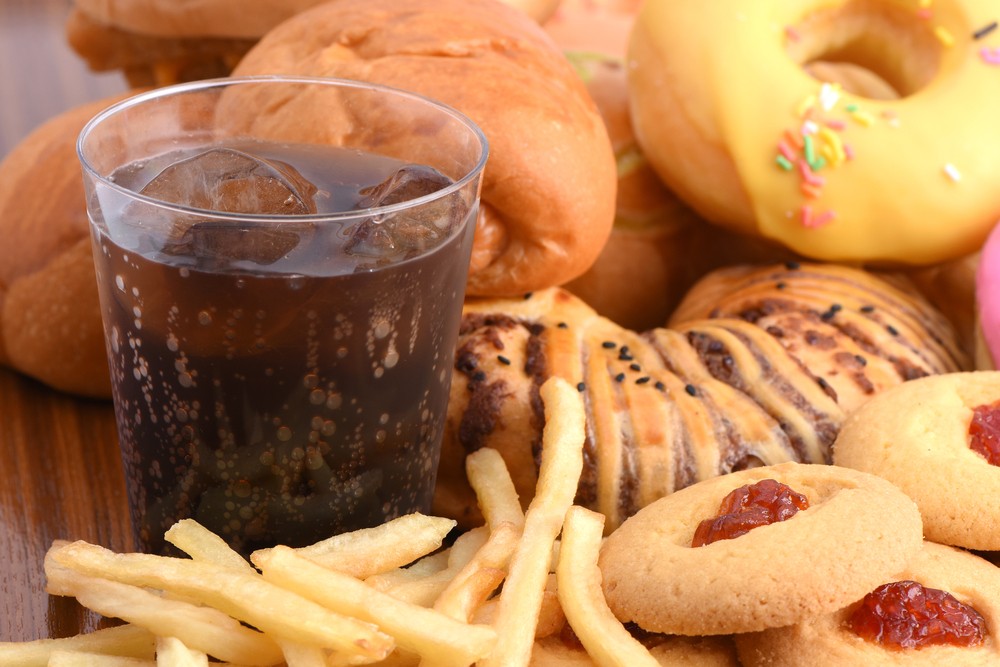
25. Food Safety Is a More Immediate Concern
When discussing dangerous food combinations, one real issue is often overlooked:
Foodborne illness.
Certain foods can become dangerous when combined or stored improperly—not because they create toxins, but because microorganisms can multiply.
Examples include:
-
Undercooked meat
-
Raw eggs
-
Unpasteurized dairy
-
Raw seafood
-
Improperly stored leftovers
Follow safe cooking and refrigeration practices.
26. Cross-Contamination Can Be a Bigger Risk
Raw meat can carry microorganisms that contaminate ready-to-eat foods.
Use separate utensils and cutting boards when appropriate.
Wash your hands after handling raw meat.
Don't place cooked food on a plate that previously held raw meat unless it has been properly washed.
These simple habits can prevent genuine food-related illness.
27. Who Needs Extra Dietary Caution?
Some people should be especially careful about food choices because of medical conditions.
This includes people with:
-
Chronic kidney disease
-
Diabetes
-
Cardiovascular disease
-
Food allergies
-
Celiac disease
-
Liver disease
-
Gastrointestinal disorders
-
Cancer undergoing treatment
Dietary recommendations may need to be individualized.
28. If You Have Cancer, Talk to Your Oncology Team
Cancer treatment can affect nutritional needs.
Chemotherapy, radiation, surgery, immunotherapy, and other treatments can cause:
-
Nausea
-
Appetite changes
-
Taste changes
-
Difficulty swallowing
-
Diarrhea
-
Constipation
-
Weight loss
-
Changes in nutrient requirements
A registered dietitian specializing in oncology can help create a safe and realistic nutrition plan.
Don't follow restrictive online cancer diets without professional guidance.
29. A Simple Rule for Everyday Meals
Instead of worrying about whether three specific foods are "toxic" together, ask:
Is this meal mostly minimally processed foods?
Does it contain vegetables or fruit?
Does it provide adequate protein?
Is there a source of fiber?
Am I using a reasonable amount of salt and added sugar?
Is the portion appropriate for me?
These questions are far more useful than memorizing long lists of supposedly forbidden combinations.
30. The Bottom Line
There is no established rule that three ordinary foods become cancer-causing simply because they are eaten together.
However, certain combinations can create a meal that is less healthy when they bring together multiple established risk factors—for example, processed meat, heavily charred meat, and alcohol.
The concern isn't a mysterious chemical reaction that suddenly turns the meal into poison.
Instead, each factor has its own potential health implications:
-
Processed meat is associated with increased colorectal cancer risk.
-
High-temperature cooking and heavy charring can produce compounds of health concern.
-
Alcohol is an established carcinogenic exposure and is associated with several cancers.
The smarter approach is to reduce these exposures overall rather than fear ordinary food combinations.
Final Thoughts
Food doesn't need to be complicated.
You don't need to memorize dozens of viral rules about which foods "must never be eaten together." In most cases, the human digestive system is perfectly capable of handling mixed meals containing proteins, carbohydrates, fats, fruits, and vegetables.
What matters much more is your overall dietary pattern.
Eat a variety of vegetables and fruits. Choose whole grains and legumes regularly. Include nutritious sources of protein. Limit processed meat. Avoid heavily charred foods. Keep alcohol low or avoid it. Stay physically active and maintain a healthy weight.
And if you have a specific medical condition or are undergoing cancer treatment, get personalized advice from your healthcare team.
The biggest health risks usually don't come from one mysterious food combination. They come from habits repeated over time.