Raw = healthy
Cooked = unhealthy
The reality is much more complicated.
Cooking can have both advantages and disadvantages.
Cooking may:
-
Improve digestibility
-
Soften tough plant structures
-
Reduce certain naturally occurring compounds
-
Improve the absorption of some nutrients
-
Make certain vegetables easier to eat
-
Reduce some foodborne pathogens
But cooking can also:
-
Reduce some heat-sensitive vitamins
-
Cause nutrients to move into cooking water
-
Alter certain plant compounds
-
Add calories if large amounts of oil, butter, or sauces are used
The cooking method therefore matters.
Steaming, roasting, microwaving, and quick sautéing can produce different nutritional outcomes from prolonged boiling or deep-frying.
Why Some Nutrients Become More Available After Cooking
One of the most interesting aspects of food science is that cooking does not simply “destroy nutrients.”
Sometimes it actually makes nutrients more bioavailable.
Heat can soften plant cell walls and break down structures that hold nutrients inside plant tissues.
This can make certain compounds easier for the digestive system to access.
A classic example is tomatoes.
Cooking tomatoes can increase the bioavailability of lycopene, a carotenoid associated with tomato consumption.
Another example is carrots.
Cooking can alter the plant structure and may increase the availability of certain carotenoids.
So the question should not simply be:
“Does cooking destroy nutrients?”
A better question is:
“How does this particular cooking method change the nutritional properties of this particular food?”
Raw Vegetables Also Have Important Advantages
None of this means you should avoid raw vegetables.
Raw vegetables can be extremely nutritious.
They provide:
-
Fiber
-
Vitamins
-
Minerals
-
Water
-
Plant compounds
-
Variety
-
Texture and freshness
Some nutrients, particularly vitamin C and certain B vitamins, can be sensitive to heat.
Eating some vegetables raw can therefore help preserve those nutrients.
Raw vegetables are also convenient.
Carrot sticks, cucumber, bell peppers, lettuce, tomatoes, and many other vegetables can be eaten with little preparation.
The best diet doesn't have to be entirely raw or entirely cooked.
A combination is often the most practical approach.
Food Safety Is Another Reason to Be Careful
Nutritional considerations aren't the only reason to think about raw vegetables.
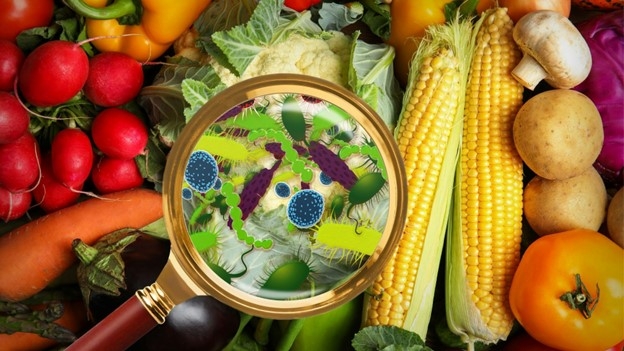
Raw produce can sometimes become contaminated with harmful microorganisms during:
-
Farming
-
Harvesting
-
Transportation
-
Processing
-
Storage
-
Preparation
Washing produce thoroughly under running water can reduce surface contamination, although washing does not eliminate every pathogen.
For people at higher risk of severe foodborne illness—including older adults, pregnant people, young children, and people with weakened immune systems—food safety deserves particular attention.
Certain foods, especially raw sprouts, can carry higher food-safety risks than many other vegetables.
Cooking generally provides an additional safety barrier.
What About Washing Vegetables With Vinegar or Salt?
You may see advice online suggesting that soaking vegetables in vinegar, salt water, baking soda, or other household mixtures completely removes bacteria and pesticides.
This is often overstated.
The most important basic step is to rinse fresh produce thoroughly under clean running water.
For firm produce, gently rubbing or scrubbing the surface can help remove dirt and debris.
Do not use household bleach, disinfectants, soap, or other non-food cleaning chemicals on produce.
If you're concerned about pesticide residues, washing can remove some surface residues, but it does not guarantee complete removal.
Peeling can remove some residues from the outer surface, but it can also remove fiber and nutrients concentrated near the skin.
Who Should Be Especially Careful With Raw Vegetables?
Most healthy adults can safely eat a wide variety of raw vegetables when they are properly handled.
However, additional caution may be appropriate for people who:
-
Have a weakened immune system
-
Are pregnant
-
Are older adults
-
Have certain digestive disorders
-
Have a history of kidney stones
-
Have difficulty digesting high-fiber foods
-
Have specific food allergies
-
Have been advised to follow a medically restricted diet
For example, someone with a history of calcium oxalate kidney stones may need individualized advice about high-oxalate foods such as spinach.
Someone with digestive sensitivity may tolerate cooked vegetables much better than raw ones.
This is why nutrition advice should always account for the individual rather than treating every food rule as universal.
A Simple Rule for Eating Vegetables
Instead of trying to memorize a long list of “vegetables you should never eat raw,” use a few practical principles.
1. Know the vegetable
Some vegetables are commonly eaten raw.
Others are traditionally cooked for good reason.
2. Consider your digestion
If raw vegetables consistently cause bloating or discomfort, cooking them may help.
3. Use different cooking methods
Don't rely exclusively on boiling.
Try:
-
Steaming
-
Roasting
-
Stir-frying
-
Grilling
-
Microwaving
-
Light sautéing
4. Avoid excessive cooking
Long cooking times and large amounts of water can cause greater losses of some water-soluble vitamins.
5. Don't automatically fear cooking
Cooking isn't the enemy of nutrition.
Sometimes it improves digestibility and nutrient availability.
6. Keep variety in your diet
The goal isn't to find one “perfect” preparation method.
It's to eat a wide range of vegetables prepared in different ways.
What About the Four Vegetables in This Article?
Here's a simple summary:
| Vegetable | Raw? | What to Know |
|---|---|---|
| Spinach | Generally fine | Cooking can reduce some oxalates and changes nutrient availability |
| Broccoli | Generally fine | Raw provides glucosinolate-related compounds; gentle cooking can preserve many nutrients |
| Potatoes | Not recommended as a regular raw food | Cooking improves digestibility; avoid significantly green or deteriorated potatoes |
| Eggplant | Technically edible raw | Cooking improves texture, flavor, and digestibility for most people |
The important distinction is that these four vegetables aren't equally problematic when raw.
Potatoes deserve the most caution, while spinach, broccoli, and eggplant can generally be incorporated into a diet according to personal preference and tolerance, with cooking offering particular advantages in some circumstances.
The Bottom Line
Eating vegetables raw can be healthy, but raw isn't automatically better.
Some vegetables retain certain heat-sensitive nutrients when eaten fresh, while cooking can make other nutrients more accessible, improve digestibility, reduce certain naturally occurring compounds, and improve food safety.
Spinach can be enjoyed raw or cooked, with cooking offering an advantage for reducing some oxalates. Broccoli can also be eaten raw, while gentle cooking may help preserve many of its beneficial compounds. Potatoes are better cooked rather than eaten raw, particularly when they are green, sprouted, or damaged. Eggplant is generally more appealing and digestible when cooked.
The best approach isn't to fear raw vegetables—or to believe that every vegetable must be eaten raw.
Instead, eat a variety of vegetables, prepare them in different ways, wash fresh produce properly, and pay attention to your individual health needs.
A healthy diet doesn't depend on whether every vegetable on your plate is raw or cooked.
It depends much more on overall variety, balance, food quality, portion size, and consistency over time.