Calcium is often associated with strong bones and teeth, but its role in the body goes far beyond the skeleton.
Your body needs calcium for muscle contraction, nerve signaling, blood clotting, and normal heart function. Most of the body's calcium is stored in bones and teeth, where it provides structural strength and acts as a reserve that can be drawn upon when blood calcium needs to be maintained.
But getting enough calcium isn't simply about drinking milk or taking a supplement.
What you eat can influence how much calcium your body absorbs and how your overall calcium balance is maintained.
Some foods contain compounds that can reduce calcium absorption when consumed in large amounts or in certain combinations. Other dietary habits may increase calcium loss through urine or make it harder to meet your calcium needs.
This doesn't mean these foods are "bad" or that you need to eliminate them. Many foods discussed below are highly nutritious and can absolutely be part of a healthy diet.
The key is balance, variety, and adequate calcium intake.

Why Calcium Matters So Much
About 99% of the body's calcium is stored in bones and teeth.
The remaining calcium circulates in the blood and is involved in several essential processes.
Calcium helps your body:
-
Maintain strong bones
-
Maintain strong teeth
-
Contract muscles
-
Transmit nerve signals
-
Regulate certain cellular processes
-
Support normal blood clotting
Because blood calcium needs to remain within a relatively narrow range, the body has sophisticated mechanisms involving the bones, kidneys, intestines, vitamin D, and parathyroid hormone to maintain calcium balance.
If dietary calcium is consistently inadequate, the body can increase calcium mobilization from bone.
Over many years, this can contribute to reduced bone mineral density in susceptible people.
1. Foods High in Oxalates
Oxalates are naturally occurring compounds found in many plant foods.
Some foods particularly high in oxalates include:
-
Spinach
-
Swiss chard
-
Beet greens
-
Beetroot
-
Some nuts
-
Certain beans
Oxalates can bind to calcium in the digestive tract, forming compounds that are poorly absorbed.
This means that although spinach contains calcium, the body absorbs relatively little of its calcium compared with calcium-rich foods such as dairy products or calcium-set tofu.
Does this mean you should stop eating spinach?
Absolutely not.
Spinach is rich in:
-
Folate
-
Vitamin K
-
Carotenoids
-
Fiber
-
Other beneficial nutrients
The better strategy is to eat a variety of vegetables rather than relying on spinach as your primary calcium source.
2. Foods High in Phytates
Phytate, or phytic acid, is found naturally in:
-
Whole grains
-
Beans
-
Lentils
-
Nuts
-
Seeds
Phytates can bind minerals such as calcium, iron, and zinc and reduce their absorption.
This is one reason some plant-based foods may contain plenty of calcium on paper but provide less absorbable calcium.
However, this doesn't make whole grains, legumes, or seeds unhealthy.
In fact, these foods are associated with many health benefits.
Preparation can help
Traditional food preparation methods such as:
-
Soaking
-
Sprouting
-
Fermentation
-
Cooking
can reduce phytate levels to varying degrees.
Eating a diverse diet also helps ensure that you're getting enough minerals overall.
3. Excessive Sodium
Salt is not a direct "calcium killer," but consuming very large amounts of sodium can increase the amount of calcium excreted in urine.
This matters particularly when a person's overall calcium intake is already low.
High-sodium diets are also associated with increased blood pressure and cardiovascular risk.
Common sources of excess sodium include:
-
Processed meats
-
Instant noodles
-
Packaged soups
-
Chips
-
Fast food
-
Salty sauces
-
Processed snacks
A better approach
Instead of eliminating salt completely, focus on reducing excessive sodium intake.
Choose more:
-
Fresh foods
-
Homemade meals
-
Herbs and spices
-
Unsalted nuts
-
Fresh vegetables
Your bones benefit from a healthy overall dietary pattern—not from avoiding one ingredient entirely.
4. Excessive Caffeine
Coffee, tea, energy drinks, and some soft drinks contain caffeine.
Caffeine can cause a small increase in calcium excretion.
For most healthy adults, moderate caffeine intake isn't likely to cause a meaningful calcium problem when the diet provides enough calcium.
The issue becomes more relevant when someone consumes very large amounts of caffeine while also getting too little calcium.
For example, replacing nearly all calcium-rich foods with caffeinated beverages may contribute to inadequate calcium intake.
A practical solution
You don't necessarily need to give up coffee.
Instead:
-
Keep caffeine moderate
-
Include calcium-rich foods in your diet
-
Avoid replacing meals with caffeinated drinks
5. Cola and Some Soft Drinks
Cola beverages have sometimes been associated with concerns about bone health.
Several factors may be involved, including:
-
Caffeine in some products
-
Added sugar
-
Displacement of nutritious beverages
-
Overall dietary patterns
The relationship between soft drinks and bone health is complex and isn't simply explained by one ingredient.
If someone drinks large quantities of soda every day, replacing some of it with water or calcium-containing beverages can improve overall diet quality.
6. Excessive Alcohol
Heavy alcohol consumption can negatively affect bone health in several ways.
Long-term excessive alcohol intake can interfere with:
-
Calcium balance
-
Vitamin D metabolism
-
Bone formation
-
Hormonal regulation
-
Nutrition
People who drink heavily may also have diets that don't provide enough calcium, protein, vitamin D, and other nutrients.
Moderation matters.
If you have liver disease, osteoporosis, or another medical condition affected by alcohol, your healthcare professional may recommend avoiding alcohol altogether.
7. Large Amounts of Certain Plant Foods Don't Necessarily Mean Poor Calcium Nutrition
This is an important point.
Plant-based diets can provide plenty of calcium.
Foods that can contribute calcium include:
-
Calcium-set tofu
-
Fortified plant milks
-
Kale
-
Bok choy
-
Broccoli
-
Beans
-
Tahini
-
Some nuts and seeds
The amount of calcium absorbed varies from food to food.
For example, calcium from kale and bok choy tends to be relatively well absorbed compared with calcium from spinach, largely because spinach contains high levels of oxalate.
So the goal isn't to avoid plant foods.
It's to choose a variety of calcium-containing foods.
8. Too Much Protein? The Story Is More Complicated
You may have heard that eating a high-protein diet "leaches calcium from the bones."
The science is more complicated than that.
Higher protein intake can increase calcium excretion in urine, but protein is also essential for maintaining bone and muscle.
Adequate protein is particularly important for older adults because muscle strength and bone health are closely connected.
Current evidence does not support avoiding healthy protein foods simply because they may increase urinary calcium.
Instead, aim for an appropriate amount of protein while ensuring adequate calcium and vitamin D.
9. Very High Phosphorus Intake Can Matter
Phosphorus is another essential mineral.
It works closely with calcium in bone metabolism.
The problem isn't phosphorus itself—your body needs it.
The concern is imbalanced dietary patterns, particularly diets containing large amounts of highly processed foods and phosphorus-containing additives.
Foods with phosphorus additives can include:
-
Processed meats
-
Some processed cheeses
-
Packaged baked goods
-
Processed convenience foods
-
Certain soft drinks
People with kidney disease may need to pay particular attention to phosphorus intake.
If you have chronic kidney disease, follow your healthcare team's dietary recommendations rather than trying to manage phosphorus independently.
10. Some High-Fiber Foods Can Affect Mineral Absorption
Fiber is important for digestive and cardiovascular health.
Whole grains, legumes, vegetables, fruits, nuts, and seeds are all valuable sources.
However, certain components of high-fiber foods—particularly phytates—can bind minerals and reduce absorption.
This doesn't mean a high-fiber diet weakens your bones.
In most cases, the benefits of eating fiber-rich whole foods far outweigh this concern.
The important thing is to ensure that your overall diet provides enough calcium.
11. Raw Bran Can Contain High Levels of Phytate
Wheat bran is particularly rich in phytate.
Some studies have found that large amounts of bran consumed alongside calcium-rich foods can reduce calcium absorption.
This doesn't mean you should avoid whole grains.
Instead, if calcium intake is a concern, vary your sources of fiber and calcium rather than relying heavily on unprocessed bran at every meal.
12. Calcium Absorption Depends on Vitamin D
You can consume plenty of calcium and still have difficulty maintaining healthy bones if your vitamin D status is inadequate.
Vitamin D helps the intestines absorb calcium.
Sources of vitamin D include:
-
Sunlight exposure
-
Fatty fish
-
Egg yolks
-
Fortified foods
-
Supplements when medically appropriate
Vitamin D needs vary depending on age, geography, skin characteristics, lifestyle, and other factors.
If you're concerned about deficiency, discuss testing and supplementation with a healthcare professional.
13. Calcium Needs Change With Age
Your calcium requirements aren't the same throughout life.
Children and teenagers need calcium to support bone growth.
Adults need calcium to maintain bone mass.
Older adults may face increased risk of bone loss because of:
-
Hormonal changes
-
Reduced calcium absorption
-
Reduced vitamin D production
-
Lower physical activity
-
Certain medications
This is why calcium-rich foods become particularly important as people age.
14. Women After Menopause Need to Pay Attention
Estrogen helps protect bone tissue.
After menopause, estrogen levels decline, and the rate of bone loss can increase.
This can contribute to osteoporosis and fracture risk.
Calcium is only one piece of the puzzle.
Women after menopause should also pay attention to:
-
Vitamin D
-
Protein
-
Weight-bearing exercise
-
Muscle strength
-
Smoking
-
Alcohol consumption
-
Overall nutrition
If you have risk factors for osteoporosis, your healthcare professional may recommend a bone-density test.
15. Calcium and Bone Health Aren't the Same Thing
Strong bones require more than calcium.
Bone tissue is constantly being remodeled.
Important factors include:
-
Calcium
-
Vitamin D
-
Protein
-
Magnesium
-
Phosphorus
-
Physical activity
-
Hormones
-
Genetics
-
Overall nutrition
This is why simply taking a calcium supplement doesn't guarantee strong bones.
A healthy lifestyle works as a system.
16. Your Body Has a Calcium Regulation System
Your body works hard to maintain stable calcium levels in the blood.
The parathyroid glands play an important role in this process.
When blood calcium falls, parathyroid hormone can:
-
Increase calcium release from bone
-
Increase kidney retention of calcium
-
Promote activation of vitamin D
-
Increase intestinal calcium absorption indirectly
This helps maintain blood calcium.
But if calcium intake remains inadequate over a long period, maintaining blood calcium can come at the expense of bone stores.
17. Calcium Supplements Aren't Always Necessary
Many people assume that everyone should take a calcium supplement.
That's not necessarily true.
If you can meet your calcium requirements through food, supplementation may not be needed.
Supplements can also cause problems in some people, including:
-
Constipation
-
Gastrointestinal discomfort
-
Drug interactions
-
Excessive calcium intake
Some research has also raised questions about cardiovascular effects of certain supplemental calcium regimens, although the evidence is complex.
Discuss supplementation with your healthcare professional, particularly if you have kidney stones, kidney disease, or take multiple medications.
18. Don't Take Calcium and Iron Together Without Considering Timing
Calcium can interfere with the absorption of iron from certain supplements and foods.
If you're taking an iron supplement, your healthcare professional may recommend separating it from calcium supplements or high-calcium foods.
This is especially relevant for people being treated for iron-deficiency anemia.
Ask your pharmacist or doctor about the best timing for your specific medications.
19. Some Medications Affect Calcium Balance
Certain medications can influence calcium metabolism or bone health.
Examples include:
-
Long-term corticosteroids
-
Some anti-seizure medications
-
Certain thyroid medications when taken improperly
-
Some osteoporosis medications
-
Certain diuretics
Long-term corticosteroid use is particularly important because it can increase osteoporosis risk.
Never stop or change prescribed medication because of concerns about calcium without speaking to your healthcare professional.
20. Very High Salt Intake Is Worth Watching
Salt deserves special attention because it's so common in modern diets.
A meal can contain much more sodium than expected.
Common hidden sources include:
-
Bread
-
Sauces
-
Instant foods
-
Processed meats
-
Restaurant meals
-
Packaged snacks
Reducing excess sodium can support cardiovascular health and may also reduce urinary calcium loss.
21. Your Overall Eating Pattern Matters More Than One Food
It's easy to see headlines saying:
"This food destroys calcium."
That's usually an oversimplification.
A single serving of spinach, coffee, beans, or whole grains isn't going to suddenly weaken your bones.
The bigger question is:
What does your overall diet look like over months and years?
A varied diet that provides enough calcium, vitamin D, protein, and other nutrients is much more important than avoiding individual foods.
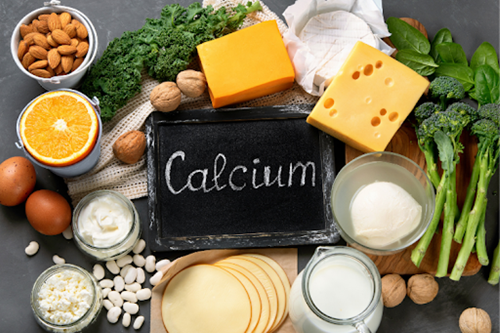
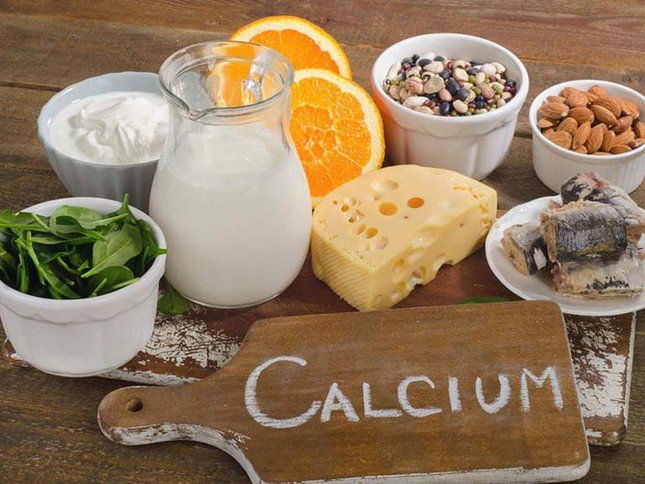
22. Foods That Can Help You Get More Calcium
Instead of focusing only on foods that may affect calcium absorption, add more calcium-rich choices.
Dairy Products
Milk, yogurt, and cheese can provide highly absorbable calcium.
Calcium-Fortified Plant Milks
Soy, almond, oat, and other plant milks may be fortified with calcium.
Check the nutrition label.
Calcium-Set Tofu
Tofu made with calcium salts can be an excellent plant-based source.
Canned Fish With Bones
Sardines and canned salmon with edible bones can provide substantial calcium.
Certain Green Vegetables
Kale, bok choy, and broccoli can contribute calcium.
Beans and Legumes
Beans can contribute calcium along with protein and fiber.
23. Not All Plant Milks Contain the Same Amount of Calcium
If you avoid dairy, check the label.
Some plant-based beverages contain calcium comparable to cow's milk because they're fortified.
Others may contain much less.
Look for products that provide calcium and vitamin D when appropriate.
Shake fortified beverages well if the manufacturer recommends it, because added minerals can sometimes settle.
24. What About Milk?
Milk is a convenient source of:
-
Calcium
-
Protein
-
Other nutrients
But you don't need to drink milk specifically to maintain healthy bones.
People who don't consume dairy can meet calcium needs through fortified foods and other dietary sources.
The important thing is the nutrient, not necessarily the food.
25. A Balanced Plate Can Support Calcium Health
A simple meal might include:
Protein: fish, tofu, beans, eggs, or poultry
Vegetables: broccoli, bok choy, kale, or other vegetables
Whole grains: brown rice, oats, or whole-grain bread
Calcium source: yogurt, fortified plant milk, tofu, or another calcium-rich food
Healthy fats: nuts, seeds, avocado, or olive oil
This type of dietary pattern provides many nutrients involved in bone health.
26. Exercise Is Essential for Strong Bones
Nutrition isn't the only factor.
Bones respond to mechanical stress.
Weight-bearing activities such as:
-
Walking
-
Hiking
-
Dancing
-
Jogging
-
Stair climbing
can support bone health.
Resistance training is also valuable because stronger muscles can help support the skeleton and reduce fall risk.
27. Balance and Fall Prevention Matter Too
For older adults, preventing fractures isn't only about bone density.
Balance and muscle strength matter.
Exercises such as:
-
Strength training
-
Tai chi
-
Balance exercises
may reduce fall risk.
A strong skeleton is helpful, but avoiding falls is equally important.
28. Smoking Can Harm Bone Health
Smoking is associated with lower bone density and increased fracture risk.
It can interfere with bone remodeling and may also be associated with poorer healing after fractures.
If you smoke, quitting can benefit far more than just your lungs.
It can improve cardiovascular health, reduce cancer risk, and support skeletal health.
29. Excessive Alcohol Can Weaken Bones
Heavy alcohol consumption can interfere with:
-
Bone formation
-
Calcium balance
-
Vitamin D metabolism
-
Hormonal regulation
It can also increase the risk of falls.
If you drink alcohol, moderation is important.
People with certain medical conditions may be advised to avoid alcohol altogether.
30. Watch Out for Extreme Diets
Very restrictive diets can unintentionally provide too little calcium.
This can happen when people eliminate:
-
Dairy
-
Fortified foods
-
Certain vegetables
-
Legumes
without replacing them with equivalent calcium sources.
If you're following a vegan, ketogenic, low-calorie, or elimination diet, plan your nutrition carefully.
31. Digestive Conditions Can Affect Calcium Absorption
Certain gastrointestinal conditions can interfere with nutrient absorption.
Examples include:
-
Celiac disease
-
Inflammatory bowel disease
-
Some intestinal surgeries
-
Chronic digestive disorders
If you have a condition affecting nutrient absorption, you may need individualized advice about calcium and vitamin D.
32. Kidney Health Matters Too
The kidneys help regulate calcium and phosphorus balance and activate vitamin D.
Kidney disease can disrupt this system.
People with chronic kidney disease may have very different calcium and phosphorus needs from the general population.
Don't take large doses of calcium or vitamin D supplements without medical guidance if you have kidney disease.
33. A History of Kidney Stones Changes the Conversation
People who have had calcium kidney stones sometimes worry that eating calcium will cause more stones.
The relationship is more complicated.
For many people, adequate dietary calcium can actually be beneficial, because calcium in food can bind oxalate in the digestive tract and reduce oxalate absorption.
However, individual recommendations depend on the type of kidney stone and other risk factors.
If you've had kidney stones, discuss calcium intake with your healthcare professional rather than eliminating calcium from your diet.
34. How Much Calcium Do You Need?
Recommended calcium intake varies by age and sex.
For many adults, recommended intake is roughly 1,000 mg per day, while some groups—including many older adults and postmenopausal women—may need around 1,200 mg per day.
These are general recommendations, not personalized prescriptions.
Your individual needs may differ depending on your age, medical conditions, medications, and dietary pattern.
It's better to discuss your specific needs with a healthcare professional if you're at increased risk of osteoporosis or deficiency.
35. Don't Chase Extremely High Calcium Intake
More calcium isn't automatically better.
Excessive calcium intake, particularly from supplements, can cause problems such as:
-
Constipation
-
Kidney stones in susceptible people
-
High blood calcium in certain circumstances
-
Medication interactions
The goal is adequacy, not excess.
36. What Does Calcium Deficiency Feel Like?
Mild dietary calcium deficiency may not cause obvious symptoms.
The body can maintain blood calcium by adjusting calcium metabolism.
Long-term inadequate intake can contribute to:
-
Reduced bone mineral density
-
Osteoporosis
-
Increased fracture risk
Severe hypocalcemia can cause:
-
Muscle cramps
-
Tingling
-
Muscle spasms
-
Abnormal heart rhythms
-
Seizures in severe cases
Severe low blood calcium is a medical condition and shouldn't be self-treated with large doses of supplements.
37. Don't Blame One Food for Weak Bones
If someone has osteoporosis, it is almost never because they ate one particular food.
Bone health reflects years of:
-
Genetics
-
Hormonal status
-
Nutrition
-
Physical activity
-
Medications
-
Smoking
-
Alcohol
-
Age
-
Medical conditions
This is why a long-term approach works better than fear-based food lists.
38. A Simple Calcium-Friendly Eating Strategy
You can support calcium balance without eliminating large groups of foods.
At Breakfast
Try yogurt, fortified plant milk, or another calcium-rich food.
At Lunch
Include vegetables such as broccoli or bok choy and a protein source.
At Dinner
Consider tofu, beans, fish, or another calcium-containing food.
For Snacks
Choose yogurt, fortified foods, nuts, or other nutrient-dense options.
The goal is to spread calcium-containing foods across the day.
39. Should You Avoid Spinach?
No.
Spinach is nutritious.
The better lesson is:
Don't rely on spinach as your main calcium source.
If you enjoy spinach, continue eating it while also consuming calcium from more bioavailable sources.
For example:
Spinach + calcium-fortified food + dairy or calcium-set tofu
can provide a more balanced approach.
40. Should You Stop Drinking Coffee?
Not necessarily.
Moderate coffee consumption can fit into a healthy diet.
If you drink several cups of coffee every day and rarely consume calcium-rich foods, consider improving your overall diet rather than simply eliminating coffee.
For most people, adequate calcium intake is more important than avoiding moderate caffeine.
41. Should You Avoid Beans and Whole Grains?
Definitely not simply because they contain phytates.
Beans and whole grains provide:
-
Fiber
-
Protein
-
Vitamins
-
Minerals
-
Plant compounds associated with good health
Their benefits generally outweigh concerns about mineral absorption when the overall diet is balanced.
42. The Bigger Problem May Be What You're Not Eating
Sometimes the issue isn't that someone eats too many foods that interfere with calcium absorption.
It's that they don't eat enough calcium-rich foods.
For example, someone might consume:
-
Large amounts of coffee
-
Lots of whole grains
-
Plenty of vegetables
but almost no:
-
Dairy
-
Fortified plant milk
-
Calcium-set tofu
-
Calcium-rich fish
-
Other calcium-containing foods
The solution is not necessarily removing healthy foods.
It's adding appropriate sources of calcium.
43. When Should You Talk to a Doctor?
Consider discussing calcium and bone health with a healthcare professional if you have:
-
A history of fractures
-
Osteoporosis
-
Low bone density
-
Long-term steroid use
-
Menopause-related bone-loss risk
-
Kidney disease
-
Digestive disorders affecting absorption
-
Recurrent kidney stones
-
A very restrictive diet
You may benefit from personalized nutritional advice or bone-density testing.
44. Bone Density Testing Can Identify Risk
A DEXA scan can measure bone mineral density.
It is commonly used to diagnose osteoporosis and assess fracture risk in appropriate patients.
Your doctor may recommend it based on:
-
Age
-
Sex
-
Fracture history
-
Menopause status
-
Medications
-
Family history
-
Other risk factors
You don't need to wait until you experience a fracture to discuss bone health.
45. The Bottom Line
Certain foods and dietary components can affect calcium absorption or calcium excretion, particularly when consumed in large amounts or as part of an unbalanced diet.
The main ones worth knowing about include:
-
High-oxalate foods
-
High-phytate foods
-
Excessive sodium
-
Very high caffeine intake
-
Large amounts of certain soft drinks
-
Excessive alcohol
-
Highly processed foods containing phosphorus additives
But there's an important message behind this list:
You do not need to eliminate these foods to protect your bones.
Spinach, beans, whole grains, nuts, coffee, and other foods can all be part of a healthy diet.
What matters more is whether your overall eating pattern provides enough:
Calcium
Vitamin D
Protein
Other essential nutrients
along with regular physical activity and healthy lifestyle habits.
Final Thoughts
Calcium balance is more complicated than simply counting how many glasses of milk you drink.
Your body continuously regulates calcium through interactions between the intestines, kidneys, bones, vitamin D, and hormones.
Some foods can reduce calcium absorption or increase calcium excretion, but that doesn't make them unhealthy.
The smarter approach is to build a varied diet rather than fear individual foods.
If you enjoy spinach, keep eating it. If you drink coffee, you don't necessarily need to quit. If you eat beans and whole grains, there's no reason to remove them simply because they contain phytates.
Instead, make sure your diet also includes reliable calcium sources.
Strong bones aren't built by avoiding one "bad" food. They're supported by adequate nutrition, regular movement, healthy lifestyle habits, and long-term consistency.