Vegetables are an essential part of a healthy diet. They provide fiber, vitamins, minerals, antioxidants, and other plant compounds that support overall health.
But if you have chronic kidney disease (CKD), your nutritional needs can be different.
One nutrient that deserves particular attention is potassium.
Healthy kidneys help remove excess potassium from the blood. When kidney function becomes significantly impaired, the body may have difficulty maintaining the right potassium balance. In some people, this can lead to hyperkalemia, meaning potassium levels in the blood become too high.
That doesn't mean people with kidney disease should stop eating vegetables.
In fact, unnecessarily eliminating large numbers of vegetables can make a diet less nutritious.
The key is understanding which vegetables are relatively high in potassium, how much you're eating, how they're prepared, and what your individual blood tests show.
Here are five vegetables that people with certain stages of kidney disease may need to discuss with their healthcare team.
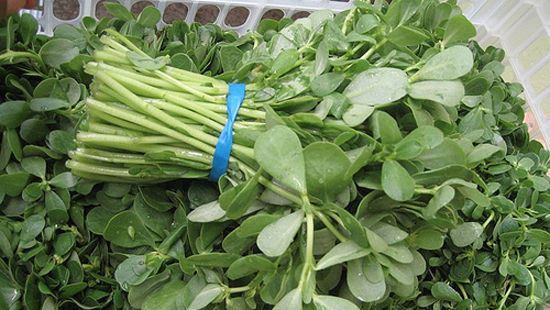
1. Potatoes
Potatoes are nutritious and naturally contain a significant amount of potassium.
For someone with healthy kidney function, this generally isn't a problem.
But people with CKD who have been advised to limit potassium may need to pay attention to portion size.
A large baked or boiled potato can provide a substantial amount of potassium, particularly when eaten with the skin.
Does that mean you have to stop eating potatoes?
Not necessarily.
Some kidney-friendly meal plans use techniques such as leaching to reduce the potassium content of certain vegetables.
One common approach involves:
-
Peeling the potato.
-
Cutting it into small pieces.
-
Soaking the pieces in water.
-
Draining the water.
-
Cooking them in fresh water.
This can reduce potassium, although the amount removed varies.
If you're on a potassium-restricted diet, ask your dietitian about the preparation method that's appropriate for you.
2. Tomatoes
Tomatoes are another nutritious food that can contribute potassium.
They also provide:
-
Vitamin C
-
Folate
-
Carotenoids
-
Lycopene
-
Fiber
Lycopene has attracted considerable research interest because of its antioxidant properties.
For most healthy people, tomatoes are an excellent food.
For someone with advanced CKD and elevated blood potassium, however, large portions of tomatoes or concentrated tomato products may need to be limited.
This includes:
-
Tomato sauce
-
Tomato paste
-
Tomato juice
-
Canned tomatoes
-
Large servings of fresh tomatoes
The important point is that tomato products can vary considerably in potassium content and serving size.
3. Spinach
Spinach is highly nutritious and provides:
-
Vitamin K
-
Folate
-
Vitamin A precursors
-
Iron
-
Fiber
-
Various plant compounds
But spinach can also contribute a significant amount of potassium.
For people who need to limit potassium, portion size and preparation matter.
There's another consideration: spinach contains oxalates, naturally occurring compounds that can contribute to certain types of kidney stones in susceptible individuals.
This doesn't mean spinach causes kidney disease.
It means that people with specific kidney conditions may need individualized dietary advice.
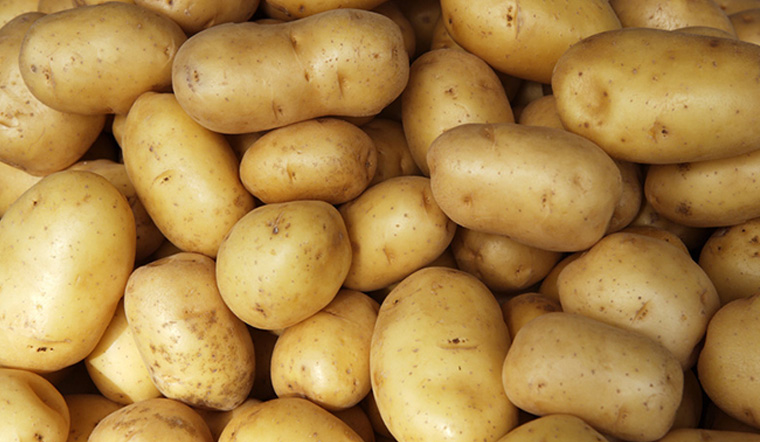
4. Beet Greens
Beet greens are often overlooked, but the leafy tops of beets can contain substantial amounts of potassium.
They're also rich in nutrients such as:
-
Vitamin K
-
Folate
-
Vitamin A
-
Fiber
For people with healthy kidneys, these greens can be part of a nutritious diet.
However, people with CKD who have been specifically instructed to control potassium intake may need to limit portions or choose alternatives.
As with other vegetables, preparation can influence potassium content.
5. Winter Squash
Certain types of squash, such as:
-
Acorn squash
-
Butternut squash
-
Hubbard squash
can provide significant potassium.
Squash also provides:
-
Fiber
-
Carotenoids
-
Vitamin C
-
Other plant compounds
Again, the issue isn't that squash is "bad for the kidneys."
The issue is potassium management in people whose kidneys cannot adequately regulate potassium levels.
A small serving may fit into one person's meal plan while a larger serving may not fit another's.
Why Is Potassium Important for Kidney Patients?
Potassium is an essential mineral.
Your body needs it for:
-
Muscle contraction
-
Nerve signaling
-
Fluid balance
-
Normal heart function
The heart is particularly sensitive to major abnormalities in potassium levels.
When potassium becomes too high, it can interfere with the heart's electrical activity.
Severe hyperkalemia can cause dangerous heart rhythm problems.
This is why potassium restrictions should be taken seriously when a healthcare professional has specifically recommended them.
Does Everyone With Kidney Disease Need a Low-Potassium Diet?
No.
This is a crucial point.
Kidney disease exists on a spectrum.
Some people with early-stage CKD have normal potassium levels and don't need to restrict potassium significantly.
Others may develop hyperkalemia because of:
-
Advanced kidney disease
-
Certain medications
-
Diabetes
-
Heart failure
-
Metabolic conditions
-
Other factors affecting potassium balance
Therefore, you shouldn't automatically eliminate high-potassium vegetables simply because you've been diagnosed with CKD.
Your blood potassium level and individual medical situation matter.
What Are the Symptoms of High Potassium?
Mild hyperkalemia may cause no noticeable symptoms.
That's one reason blood testing is so important.
When potassium becomes significantly elevated, symptoms can include:
-
Muscle weakness
-
Fatigue
-
Numbness or tingling
-
Nausea
-
Abnormal heart rhythms
-
Palpitations
Severe hyperkalemia can become a medical emergency.
If someone with kidney disease develops severe weakness, chest symptoms, fainting, or a suspected abnormal heartbeat, urgent medical assessment is appropriate.
Don't Blame Vegetables Alone
It's easy to focus on vegetables when discussing potassium, but they are only one part of the diet.
Other foods and products can contain significant potassium, including:
-
Certain fruits
-
Beans
-
Dairy products
-
Nuts
-
Dried fruits
-
Potatoes
-
Some meat and fish
-
Salt substitutes containing potassium chloride
In fact, potassium-containing salt substitutes can be particularly important for people with kidney disease.
Someone may carefully limit tomatoes while unknowingly using a potassium-based salt substitute every day.
Always check labels and discuss dietary changes with your healthcare team.
Beware of "Low-Sodium" Salt Substitutes
Many salt substitutes replace sodium chloride with potassium chloride.
For healthy people, these products may be useful in some circumstances.
But for people at risk of hyperkalemia, they can be problematic.
If you have CKD, don't automatically replace table salt with a potassium-based substitute without checking with your doctor or dietitian.
There are other ways to improve flavor, including:
-
Garlic
-
Onion
-
Lemon
-
Vinegar
-
Herbs
-
Pepper
-
Sodium-free seasoning blends that don't contain potassium chloride
Does Cooking Reduce Potassium?
Sometimes.
Potassium is water-soluble, meaning some potassium can move from food into cooking water.
This is why methods such as:
-
Boiling
-
Soaking
-
Leaching
may reduce potassium in certain vegetables.
However, simply roasting or baking a vegetable doesn't necessarily remove significant potassium.
And throwing away the cooking water is important if you're specifically using cooking to reduce potassium.
The effectiveness depends on:
-
The vegetable
-
How it is cut
-
Soaking time
-
Amount of water
-
Cooking method
A renal dietitian can provide specific instructions.
What Is Leaching?
Leaching is a preparation technique used to reduce potassium in certain foods.
A general approach may involve:
Peel → cut into small pieces → soak → drain → rinse → cook in fresh water.
This can help move some potassium into the water.
But leaching doesn't necessarily make a high-potassium food "potassium-free."
The final potassium content can still be significant.
Therefore, portion size remains important.
What Vegetables Can Be Lower in Potassium?
Depending on individual dietary needs, people following a potassium-restricted diet may be able to include vegetables such as:
-
Cabbage
-
Cauliflower
-
Cucumber
-
Bell peppers
-
Green beans
-
Lettuce
-
Onions
-
Radishes
But even "lower-potassium" vegetables contain some potassium.
And serving size matters.
Your renal dietitian can help create a personalized list based on your laboratory results and nutritional needs.
Kidney Disease Is About More Than Potassium
Potassium is important, but it isn't the only nutrient that may need attention.
Depending on the stage and cause of kidney disease, your healthcare team may discuss:
Sodium
Excess sodium can contribute to fluid retention and high blood pressure.
Phosphorus
Some people with advanced CKD have difficulty regulating phosphorus.
Protein
Protein requirements can vary depending on kidney function, nutritional status, dialysis status, and other factors.
Fluids
Some people need fluid restrictions, particularly when kidney function is severely reduced or when fluid overload is present.
There is no single "kidney diet" that works for everyone.
What About Kidney Stones?
Kidney stones are different from chronic kidney disease.
The ideal diet depends on the type of kidney stone.
For example, people who form calcium oxalate stones may be advised to moderate certain high-oxalate foods depending on their individual situation.
Spinach is particularly high in oxalate.
But this doesn't mean everyone with kidney stones must avoid spinach forever.
Adequate fluid intake and appropriate dietary calcium can also be important in preventing certain stones.
If you've had recurrent kidney stones, ask your healthcare professional about stone analysis and individualized dietary recommendations.
Vegetables Can Still Be Part of a Kidney-Friendly Diet
A kidney-friendly diet should not mean eliminating vegetables completely.
Vegetables provide:
-
Fiber
-
Vitamins
-
Minerals
-
Antioxidants
-
Phytochemicals
The goal is to find the right balance.
For example, someone with advanced CKD and elevated potassium might replace a large serving of potato with a smaller portion of cauliflower or cabbage.
This allows the person to continue eating vegetables while better managing potassium intake.
Portion Size Matters
One of the biggest mistakes people make is thinking:
"This food is high in potassium, so I can never eat it."
That's not always true.
A small portion may fit comfortably into a person's daily potassium allowance.
For example, eating a small amount of a higher-potassium vegetable alongside lower-potassium foods can be very different from eating a large bowl of it.
Your daily potassium target should come from your healthcare professional rather than an internet list.
What About Vegetable Juice?
Juicing can concentrate nutrients and make it easy to consume large quantities quickly.
A glass of tomato or vegetable juice may contain a substantial amount of potassium depending on the ingredients and serving size.
If you have been instructed to limit potassium, check nutrition labels carefully.
Whole vegetables also provide fiber that may be reduced when vegetables are juiced and strained.
Fresh, Frozen, and Canned Vegetables
The potassium content of vegetables can vary depending on preparation and processing.
Canned vegetables may contain significant sodium, which can be another concern for people with CKD.
If using canned vegetables:
-
Check the sodium label.
-
Drain the liquid.
-
Rinse when appropriate.
For potassium management, preparation methods such as draining, soaking, and cooking in fresh water may sometimes help, depending on the food.
What Should Kidney Patients Eat Instead?
Rather than focusing only on foods to avoid, build meals around foods that fit your individualized nutrition plan.
A meal might include:
Lean protein
A portion of lower-potassium vegetables
An appropriate carbohydrate
Healthy fats
The exact choices depend on your kidney function, potassium level, phosphorus level, diabetes status, dialysis status, and other medical factors.
A Sample Lower-Potassium Vegetable Strategy
For someone who has specifically been advised to limit potassium, a meal could include:
-
Grilled chicken
-
White rice
-
Steamed cauliflower
-
Cucumber salad
-
A small portion of fruit appropriate for the person's plan
Another meal might use:
-
Fish
-
Pasta
-
Green beans
-
Cabbage
-
Olive oil and herbs
These are examples—not universal prescriptions.
A renal dietitian can personalize meals to your laboratory results and calorie and protein requirements.
Don't Stop Important Medications
Certain medications can raise blood potassium.
Examples include some:
-
ACE inhibitors
-
ARBs
-
Potassium-sparing diuretics
-
Other medications affecting kidney function or potassium handling
This does not mean you should stop these medications.
Many are important treatments for kidney and cardiovascular health.
If your potassium level is high, your doctor can determine whether medication, diet, or another factor is contributing.
What About Supplements?
People with kidney disease should be particularly careful with supplements.
Some products marketed for:
-
"Detox"
-
"Kidney cleansing"
-
"Electrolyte support"
-
"Natural kidney health"
may contain minerals or herbal ingredients that aren't appropriate for people with impaired kidney function.
Don't assume a supplement is safe simply because it is labeled "natural."
Always tell your healthcare team about supplements you're taking.
Can Vegetables Cause Kidney Failure?
For the vast majority of people, eating vegetables does not cause kidney failure.
This is an important correction to sensational claims online.
Kidney failure usually develops because of serious underlying conditions such as:
-
Diabetes
-
High blood pressure
-
Certain kidney diseases
-
Genetic disorders
-
Severe acute kidney injury
-
Other medical conditions
Vegetables themselves are generally beneficial foods.
The concern about high-potassium vegetables primarily applies to people whose kidneys already have difficulty regulating potassium.
What If You Have Normal Kidney Function?
If your kidneys are healthy, you generally don't need to avoid potassium-rich vegetables simply because you saw a list online.
Potassium is an essential nutrient.
Healthy kidneys normally regulate potassium effectively.
In fact, many potassium-rich foods are part of nutritious diets.
So don't unnecessarily restrict healthy vegetables unless you've been given a specific medical reason to do so.
When Should You Contact Your Doctor?
If you have kidney disease, talk with your healthcare team if you:
-
Have repeatedly elevated potassium
-
Develop muscle weakness
-
Experience unusual heart palpitations
-
Have significant dietary restrictions
-
Are starting a new medication
-
Are considering potassium supplements
-
Want to use a potassium-based salt substitute
-
Are unsure which foods fit your diet
Regular blood tests can provide much more useful information than guessing from symptoms.
The Bottom Line
Five vegetables that may deserve special attention for people who need to restrict potassium are:
-
Potatoes
-
Tomatoes
-
Spinach
-
Beet greens
-
Certain winter squashes
But the message isn't:
"These vegetables are bad for your kidneys."
The more accurate message is:
"These vegetables can contribute significant potassium, which may matter for some people with impaired kidney function."
Whether you need to limit them depends on your kidney function, blood potassium level, medications, stage of CKD, and individual treatment plan.
For most people with healthy kidneys, these vegetables can be nutritious parts of a balanced diet.
Final Thoughts
Kidney health can make nutrition surprisingly complicated.
A food that is highly nutritious for one person may need to be limited for another because of differences in kidney function, potassium levels, medications, or other medical conditions.
That's why blanket statements such as "never eat these vegetables if you have kidney disease" are misleading.
If you've been diagnosed with CKD, don't eliminate vegetables randomly. Instead, work with your doctor or a renal dietitian to understand your potassium needs and build a diet that provides enough fiber, vitamins, and other nutrients without exceeding your individual limits.
And remember: vegetables are not inherently harmful to the kidneys.
The real issue is maintaining the right nutritional balance for your specific medical situation.
If you have high potassium, severe kidney disease, or symptoms such as significant weakness, palpitations, fainting, or chest symptoms, seek medical attention promptly.
The goal isn't to fear food. It's to understand your body's needs and make informed choices based on your actual health—not on alarming headlines.