👀 EGGS USED TO BE BREAKFAST’S BIGGEST VILLAIN—BUT HAVE WE BEEN WORRIED ABOUT THEM FOR THE WRONG REASON?
For years, eggs were treated like one of the foods you should avoid if you cared about your heart.
The reason seemed obvious: cholesterol.
One large egg yolk contains roughly 200 mg of dietary cholesterol, making eggs one of the richest common sources. For decades, the assumption was simple: eat cholesterol → blood cholesterol rises → heart disease risk increases.
But nutrition science has become more nuanced.
Today, researchers pay much more attention to the overall dietary pattern, the types of fat we eat, and what foods eggs are replacing in the diet.
So… does that mean eggs are completely “off the hook”?
Not exactly.
🥚 THE CHOLESTEROL STORY IS MORE COMPLICATED THAN WE THOUGHT
Your body needs cholesterol for important functions, including making hormones and vitamin D.
But there is an important difference between cholesterol found in food and cholesterol circulating in your bloodstream.
For most people, dietary cholesterol has a smaller effect on blood cholesterol than the overall mix of fats in the diet—particularly saturated and trans fats.
That doesn't mean dietary cholesterol has zero effect.
It means that looking at one nutrient in isolation can give us an incomplete picture.
❤️ SO, ARE EGGS BAD FOR YOUR HEART?
For generally healthy people, moderate egg consumption can fit into a heart-healthy eating pattern.
The American Heart Association's scientific advisory concluded that healthy individuals can include up to about one whole egg per day, while also emphasizing the importance of the overall diet and noting that people with certain conditions may need individualized advice.
Research isn't perfectly consistent, either.
Some studies have found associations between higher egg or dietary cholesterol intake and cardiovascular risk, while other research has found little or no significant association with moderate egg consumption in generally healthy people. This is one reason nutrition experts caution against interpreting a single study as the final answer.
🍳 THE BIGGER QUESTION: WHAT ARE YOU EATING WITH YOUR EGGS?
This may be one of the most overlooked parts of the egg debate.
Compare:
Eggs + vegetables + whole-grain toast
with
Eggs + bacon + sausage + buttered white toast + fried potatoes
They're both “breakfast with eggs,” but nutritionally they're very different meals.
Harvard's Nutrition Source emphasizes that the foods surrounding eggs—and the foods eggs replace—matter when considering their potential effect on long-term health.
In other words, blaming the egg alone may miss the bigger picture.
🌱 EGGS ALSO PROVIDE IMPORTANT NUTRIENTS
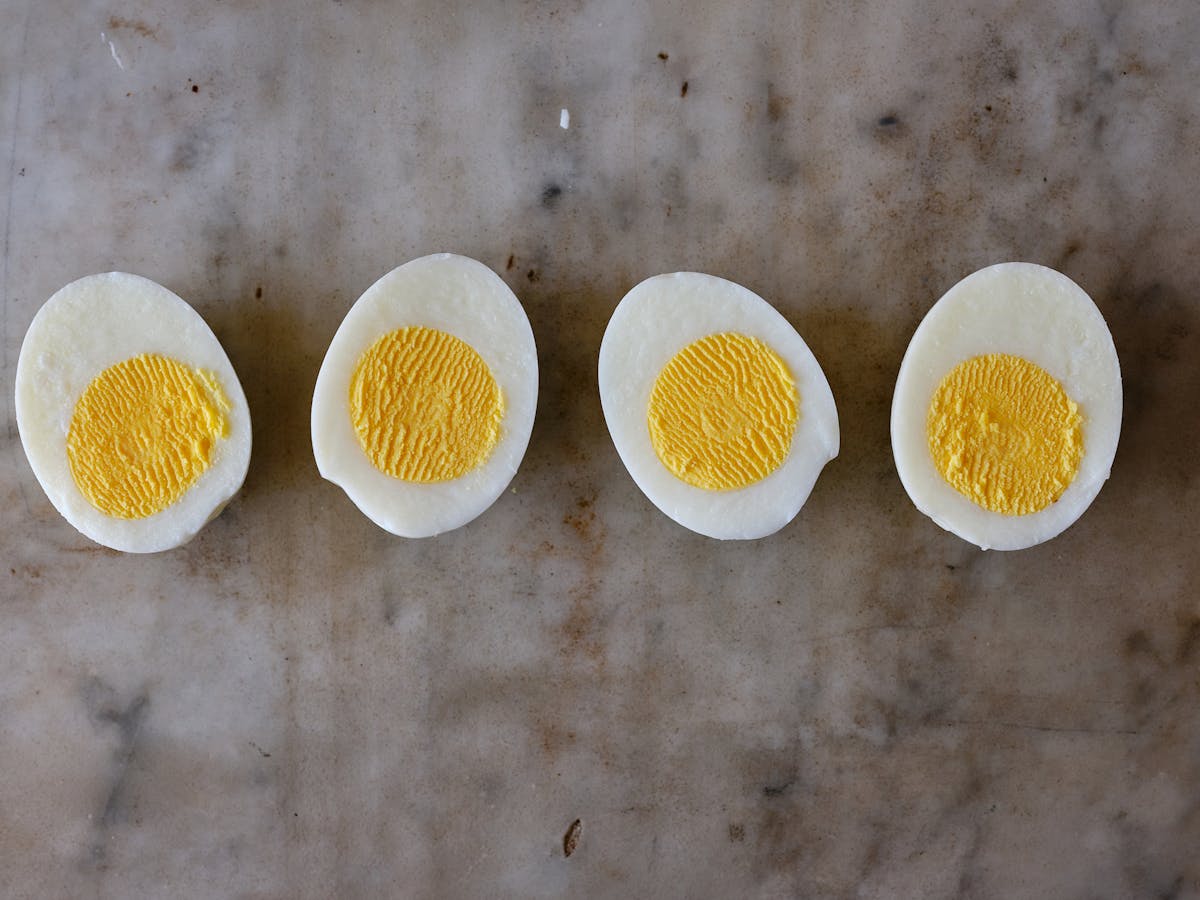
Eggs aren't simply balls of cholesterol.
They provide:
• High-quality protein
• Choline
• Vitamin B12
• Vitamin A
• Biotin
• Selenium
• Lutein and zeaxanthin
They also contain several nutrients that play important roles in normal body function.
And because eggs provide protein and can be relatively inexpensive and versatile, they can be a practical part of a balanced diet.
⚠️ BUT MORE ISN'T NECESSARILY BETTER
Here's where viral nutrition posts often go too far.
Learning that eggs aren't automatically “bad” doesn't mean you should start eating five or six every morning.
People with high LDL cholesterol, diabetes, existing cardiovascular disease, or other specific health conditions may need more individualized dietary guidance. The American Heart Association specifically highlights caveats for people with dyslipidemia, diabetes, or heart-failure risk.
If you have been told that your cholesterol is high, don't change your diet based on a social-media headline alone. Discuss your individual situation with your doctor or registered dietitian.
🥑 THE REAL LESSON ABOUT EGGS
Perhaps the biggest change in nutrition science isn't that eggs suddenly became a “miracle food.”
It's that healthy eating is rarely about labeling one food as either completely good or completely bad.
Instead, researchers increasingly look at the entire dietary pattern:
🥦 More vegetables and fruit
🌾 More whole grains
🥜 Nuts, seeds, and other healthy protein sources
🐟 Fish and lean protein
🫒 More unsaturated fats
🍬 Less added sugar
🥓 Less processed meat
🧈 Less saturated and trans fat
That's a much bigger picture than simply asking:
“Are eggs bad because they contain cholesterol?”
🥚 THE BOTTOM LINE
Eggs were once heavily criticized because of their cholesterol content.
Today, the evidence suggests the story is far more complicated.
For many healthy people, moderate egg consumption can be part of a balanced diet. But eggs aren't magic, and they shouldn't replace vegetables, whole grains, nuts, legumes, or other nutritious foods.
So perhaps the better question isn't:
“Are eggs good or bad?”
It's:
👉 “What does the rest of my diet look like?”
That may be the part of the breakfast debate we should have been paying attention to all along.
This article is for general educational purposes and is not a substitute for individualized medical or dietary advice.