For a moment, your heart may beat faster, your breathing may change, and you might wonder what just happened. Some people experience a small twitch in one muscle, while others feel as though their entire body has suddenly jumped.
Although the experience can be surprising, it is usually harmless.
This phenomenon is commonly known as a hypnic jerk, also called a sleep start. It is a sudden, brief, involuntary muscle movement that occurs during the transition from wakefulness to sleep.
Hypnic jerks are extremely common. Many people experience them occasionally, and some notice them more frequently during periods of stress, exhaustion, or irregular sleep.
Despite how dramatic the sensation may feel, an occasional sleep start is generally considered a normal part of the sleep process. It does not automatically indicate a neurological disorder or another serious medical condition.
However, understanding why these movements happen, what makes them more likely, and when they deserve medical attention can help people feel more comfortable about their nighttime experiences.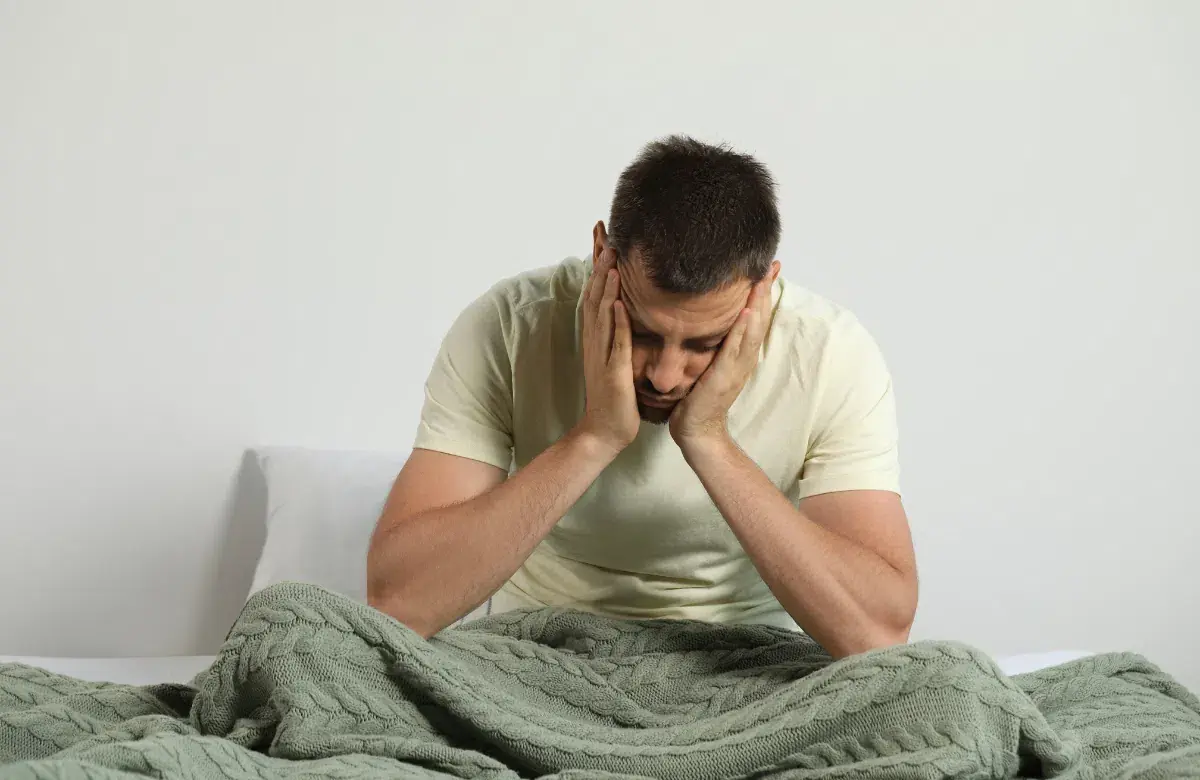
Chapter 1: What Exactly Happens When Your Body Jerks as You Fall Asleep?
A sudden body movement just as you are falling asleep can feel mysterious, especially when it happens without warning.
The medical term for this experience is hypnic jerk. The word "hypnic" refers to the transition into sleep, while "jerk" describes the sudden muscle movement.
Hypnic jerks belong to a category of involuntary movements known as myoclonus. Myoclonus refers to brief, sudden muscle contractions or muscle relaxations that happen unexpectedly.
These movements can affect different parts of the body. Some people experience a quick kick involving one leg, while others notice a twitch in their shoulders, arms, hands, or facial muscles.
In certain cases, the movement is accompanied by a vivid sensation, such as falling down stairs, stumbling, slipping off a bed, or suddenly losing balance.
The experience may be so realistic that a person wakes up immediately.
Hypnic jerks typically occur during the early transition from wakefulness into sleep, particularly during stage N1, the lightest stage of non-rapid eye movement (NREM) sleep.
During this stage, the body begins slowing down. Muscle activity decreases, breathing becomes more relaxed, and awareness of the surrounding environment gradually fades.
The brain is also changing its activity as it moves away from the alert waking state and toward sleep.
This transition is not always perfectly smooth. Brief, involuntary muscle movements can occur while the nervous system adjusts.
Researchers have proposed several explanations for hypnic jerks, including changes in nervous system activity and the relationship between muscle relaxation and the brain's interpretation of bodily sensations.
However, the exact biological mechanism is not fully understood.
One theory suggests that as muscles relax during the transition into sleep, the brain may occasionally interpret the change in muscle activity as a sensation of falling or losing balance. This may be associated with a sudden motor response.
Another explanation focuses on the changing activity of neural pathways that regulate muscle movement as the brain transitions between wakefulness and sleep.
These explanations are plausible theories rather than a complete scientific explanation of every hypnic jerk.
The movements can vary considerably in intensity.
For example:
-
A person may experience a small twitch in one finger.
-
Another may feel one leg suddenly kick.
-
Someone else may experience a quick movement involving several muscle groups.
-
Some people experience a falling sensation immediately before the movement.
-
Others notice only the physical jerk without any accompanying dream or sensation.
The movement usually lasts only a fraction of a second.
An important distinction is that hypnic jerks generally occur as someone is falling asleep, not repeatedly throughout the entire night.
They are also different from ordinary movements that occur after someone has already entered deeper stages of sleep.
The reassuring point is that occasional hypnic jerks are generally a normal sleep-related phenomenon. They do not usually mean that the brain is malfunctioning or that the body is experiencing a dangerous loss of control.
Chapter 2: Why Do Hypnic Jerks Happen? Six Factors That May Trigger Them
Although researchers have not identified one definitive cause of hypnic jerks, several factors appear to make them more likely.
Some people experience them without any obvious trigger. Others notice that the movements become more frequent during stressful periods or after several nights of inadequate sleep.
Understanding these factors can help people identify patterns and make practical adjustments to their bedtime routines.
1. Sleep Deprivation and Extreme Tiredness
One of the most frequently discussed factors associated with hypnic jerks is insufficient sleep.
When someone regularly sleeps too little, the nervous system may become more vulnerable to disturbances during the transition into sleep.
Sleep deprivation can also increase sleep pressure, meaning the body's drive to fall asleep becomes stronger after being awake for an extended period.