Many people occasionally experience bloating, heartburn, stomach discomfort, or nausea after eating. In most cases, these symptoms are temporary and may be related to overeating, eating too quickly, certain foods, stress, or a mild digestive disturbance.
But when symptoms keep coming back after meals, become more severe, or are accompanied by other warning signs, they may deserve a closer look.
One test doctors may consider is an upper gastrointestinal endoscopy, often called an upper endoscopy or EGD. This procedure allows a healthcare professional to examine the lining of the esophagus, stomach, and first part of the small intestine using a thin flexible camera.
An endoscopy is not automatically necessary whenever someone has indigestion. Doctors usually consider the person's age, medical history, symptoms, medications, risk factors, and whether there are any "alarm features."
Here are 8 symptoms after meals that may warrant a medical evaluation and, in some cases, an endoscopy.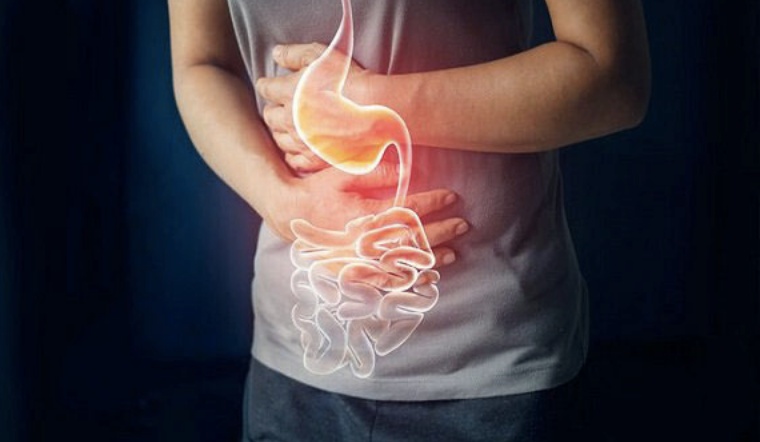
1. Persistent Upper Abdominal Pain After Eating
Mild stomach discomfort after a particularly large or spicy meal is common.
The concern is different when upper abdominal pain repeatedly appears after eating and continues for weeks.
The discomfort may occur in the upper middle or upper abdomen and may feel like:
-
Burning
-
Pressure
-
Cramping
-
Aching
-
Fullness
-
A gnawing sensation
Several conditions can cause this type of pain, including gastritis, peptic ulcers, acid reflux, gallbladder disease, pancreatitis, and functional dyspepsia.
An endoscopy can help doctors examine the upper digestive tract for inflammation, ulcers, bleeding, or other abnormalities.
Not everyone with post-meal abdominal pain needs an endoscopy, but persistent or unexplained symptoms deserve professional assessment.
2. Frequent Heartburn or Acid Reflux
Heartburn is another common symptom that can become problematic when it happens regularly.
You may notice a burning sensation behind the breastbone after eating, particularly after lying down or consuming a large meal.
Some people also experience:
-
Acid or sour liquid coming into the throat
-
Regurgitation
-
Chest or upper abdominal discomfort
-
A persistent sour taste
-
Symptoms that worsen at night
Occasional reflux is common.
But frequent or persistent reflux may indicate gastroesophageal reflux disease (GERD).
Most people with uncomplicated GERD do not automatically need an endoscopy. However, doctors may recommend one when symptoms are persistent despite treatment or when alarm symptoms are present.
Long-standing reflux can also damage the esophageal lining in some people.
3. Difficulty or Pain When Swallowing
Difficulty swallowing, known medically as dysphagia, is a symptom that deserves attention.
A person may feel as though food is sticking in the throat or chest.
Some people notice it with solid foods first, while others have difficulty swallowing both food and liquids.
Painful swallowing, called odynophagia, can also occur.
These symptoms can have several causes, including reflux-related inflammation, narrowing of the esophagus, swallowing disorders, or other conditions.
An upper endoscopy can allow doctors to directly examine the esophagus and determine whether there is inflammation, narrowing, or another abnormality.
New or progressive difficulty swallowing should not simply be dismissed as indigestion.
4. Feeling Full After Eating Only a Small Amount
Do you regularly feel extremely full after eating only a small portion?
This symptom is known as early satiety.
Occasionally feeling full quickly is not unusual, particularly after eating a high-fat meal or drinking a large amount of fluid.
But persistent early satiety may deserve evaluation.
Potential causes include functional dyspepsia, delayed stomach emptying, ulcers, certain medications, and other gastrointestinal conditions.
In some situations, an endoscopy may be used to rule out structural problems in the upper digestive tract.
Early satiety becomes more concerning when it occurs alongside unintentional weight loss, persistent vomiting, anemia, or ongoing abdominal pain.
5. Persistent Nausea or Vomiting After Meals
Feeling slightly nauseated after eating something that does not agree with you is usually not a major concern.
Repeated nausea or vomiting after meals is different.
Persistent symptoms may interfere with nutrition, hydration, and daily activities.
Possible causes include reflux, gastritis, ulcers, medication effects, food intolerance, infections, gallbladder disease, migraine, and disorders affecting stomach emptying.
In certain circumstances, an upper endoscopy may help identify inflammation, ulcers, narrowing, or other abnormalities.
If vomiting contains blood or material that looks like coffee grounds, seek urgent medical attention rather than waiting for a routine appointment.
6. Black or Tarry Stools
A particularly important warning sign is black, tarry stool, medically called melena.
Melena can occur when blood is digested as it passes through the upper gastrointestinal tract.
Potential sources include bleeding ulcers, gastritis, esophageal problems, and other conditions.
Certain foods, supplements, and medications can also darken stool. For example, iron supplements and some medications containing bismuth can make stools appear dark.
But if you develop genuinely black, sticky, tar-like stools—especially together with weakness, dizziness, abdominal pain, or vomiting blood—you should seek urgent medical evaluation.
An endoscopy is often an important tool when doctors suspect bleeding from the upper digestive tract.
7. Unexplained Weight Loss
Losing weight because you have intentionally changed your diet or exercise routine is expected.
Losing a significant amount of weight without trying is different.
Unintentional weight loss can have many causes, including thyroid disorders, diabetes, chronic infections, psychological stress, medication effects, digestive diseases, and cancer.
When weight loss occurs alongside persistent digestive symptoms, doctors may want to investigate further.
An endoscopy can help evaluate the upper gastrointestinal tract for ulcers, inflammation, narrowing, or other abnormalities.
Weight loss should therefore not automatically be interpreted as cancer, but it should not be ignored either.
8. Persistent Bloating and Indigestion
Bloating and indigestion are among the most common digestive complaints.
You may feel:
-
Uncomfortably full
-
Bloated after small meals
-
Frequent burping
-
Burning in the upper abdomen
-
Pressure or discomfort after eating
Occasional symptoms are usually not alarming.
But if they are persistent, progressively worsening, or significantly different from your normal digestion, it is worth discussing them with a healthcare professional.
Conditions such as gastritis, ulcers, reflux, H. pylori infection, and functional dyspepsia can produce similar symptoms.
An endoscopy may be considered depending on the overall clinical picture.
Why Would a Doctor Recommend an Endoscopy?
An upper endoscopy allows doctors to directly examine the lining of the:
-
Esophagus
-
Stomach
-
Duodenum
A small camera is attached to a flexible tube and passed through the mouth.
The procedure can help identify problems such as:
Gastritis: inflammation of the stomach lining.
Peptic ulcers: open sores in the stomach or duodenum.
Esophagitis: inflammation of the esophagus.
Reflux-related changes: damage associated with chronic acid exposure.
Bleeding: active or previous bleeding in the upper digestive tract.
Narrowing: areas that may interfere with swallowing.
Doctors can also take small tissue samples, known as biopsies, during the procedure.
These samples can be examined under a microscope and may be used to investigate inflammation, H. pylori, precancerous changes, or other abnormalities.
Not Everyone With Indigestion Needs an Endoscopy
This is an important distinction.
If you occasionally experience heartburn after eating pizza or feel bloated after a large meal, an endoscopy is usually not the first thing doctors consider.
Many digestive symptoms can initially be managed through:
-
Dietary adjustments
-
Lifestyle changes
-
Medication
-
Testing for H. pylori
-
Reviewing current medications
-
Monitoring symptoms
Whether an endoscopy is appropriate depends on the individual.
Age and risk factors also matter. Guidelines differ somewhat between countries and medical organizations, so your healthcare professional should determine whether the procedure is appropriate for you.
Symptoms That Deserve Prompt Attention
Some symptoms should not wait for a routine digestive appointment.
Seek urgent medical attention if you experience:
-
Vomiting blood
-
Black, tarry stools
-
Severe or rapidly worsening abdominal pain
-
Fainting or severe dizziness
-
Significant weakness
-
Difficulty swallowing with an inability to swallow food or liquids
-
Persistent vomiting with signs of dehydration
These symptoms can indicate bleeding, obstruction, or another serious condition.
The Role of H. pylori
One important cause of upper digestive problems is Helicobacter pylori, commonly known as H. pylori.
This bacterium can infect the stomach lining and contribute to gastritis and peptic ulcers.
It is also associated with an increased risk of stomach cancer over the long term.
Testing for H. pylori can be performed using different methods, including breath tests, stool tests, and, in some circumstances, biopsy samples obtained during endoscopy.
If H. pylori is detected, appropriate antibiotic-based treatment can eliminate the infection in many cases.
Don't Ignore Long-Standing Symptoms
It is easy to normalize digestive discomfort.
Someone may think:
"I've always had heartburn."
Or:
"My stomach is just sensitive."
Or:
"I probably ate too much."
Sometimes those explanations are correct.
But if symptoms are occurring frequently, becoming progressively worse, or changing in character, they deserve another look.
Your digestive system should not consistently interfere with your ability to eat, sleep, work, or enjoy daily life.
What Happens During an Endoscopy?
Many people feel nervous when they hear the word "endoscopy," but the procedure is commonly performed.
Before the procedure, patients generally need to avoid eating and drinking for a specified period so the stomach is empty.
The procedure itself usually involves sedation.
The doctor carefully guides the endoscope through the mouth and into the upper digestive tract.
The camera allows the doctor to inspect the lining and, when necessary, obtain small biopsy samples.
Afterward, patients are monitored while the sedation wears off.
Because sedative medications can temporarily affect alertness, patients generally need someone to take them home.
Your healthcare team will provide specific preparation and aftercare instructions.
What You Can Do Before Seeing a Doctor
If you regularly experience symptoms after meals, it can be useful to keep a simple symptom diary.
Write down:
-
What you ate
-
How much you ate
-
When symptoms began
-
What the symptoms felt like
-
How long they lasted
-
Whether you were lying down afterward
-
Any medications or supplements you took
-
Changes in bowel movements
-
Changes in weight
This information can help your doctor identify patterns.
You may discover that symptoms consistently occur after certain foods, large meals, alcohol, or late-night eating.
However, don't assume that identifying a food trigger means you have found the underlying cause.
Healthy Habits Can Help, Too
While medical evaluation is important when symptoms persist, everyday habits can also support digestive health.
Eating smaller meals may help some people with reflux and early fullness.
Avoiding meals immediately before lying down can reduce nighttime reflux.
Limiting alcohol and avoiding smoking can benefit the digestive system and overall health.
A diet containing adequate fiber, vegetables, fruits, whole grains, and other minimally processed foods can also support general health.
But lifestyle changes should not be used to delay medical evaluation when alarm symptoms are present.
The Bottom Line
Experiencing occasional bloating, heartburn, or stomach discomfort after a meal is extremely common and does not automatically mean you need an endoscopy.
However, persistent or unexplained symptoms deserve attention, particularly when they include difficulty swallowing, repeated vomiting, early satiety, unexplained weight loss, gastrointestinal bleeding, persistent upper abdominal pain, frequent reflux, or ongoing digestive problems.
An endoscopy is one of the tools doctors can use to investigate these symptoms and identify conditions such as ulcers, gastritis, reflux-related damage, H. pylori-associated disease, bleeding, and other abnormalities.
The key is not to panic over every digestive symptom.
Instead, pay attention to patterns, persistence, and warning signs.
If your body repeatedly tells you that something is different after you eat, don't simply accept it as "normal digestion."
Talk with a healthcare professional, explain exactly what you're experiencing, and let them determine whether an endoscopy or another form of testing is appropriate.