Looks Good but It's a 'Bacteria Magnet': Expert Says It's Time to Toss That Cutting Board!
Food safety expert Adam James Pollock has explained why you should throw away your cutting board if it starts showing this sign.
Plastic cutting boards, second only to wooden ones, are widely used in households due to their many advantages. They are less prone to mold compared to wooden boards, lightweight, easy to carry, and feature a smooth surface that's easy to clean.
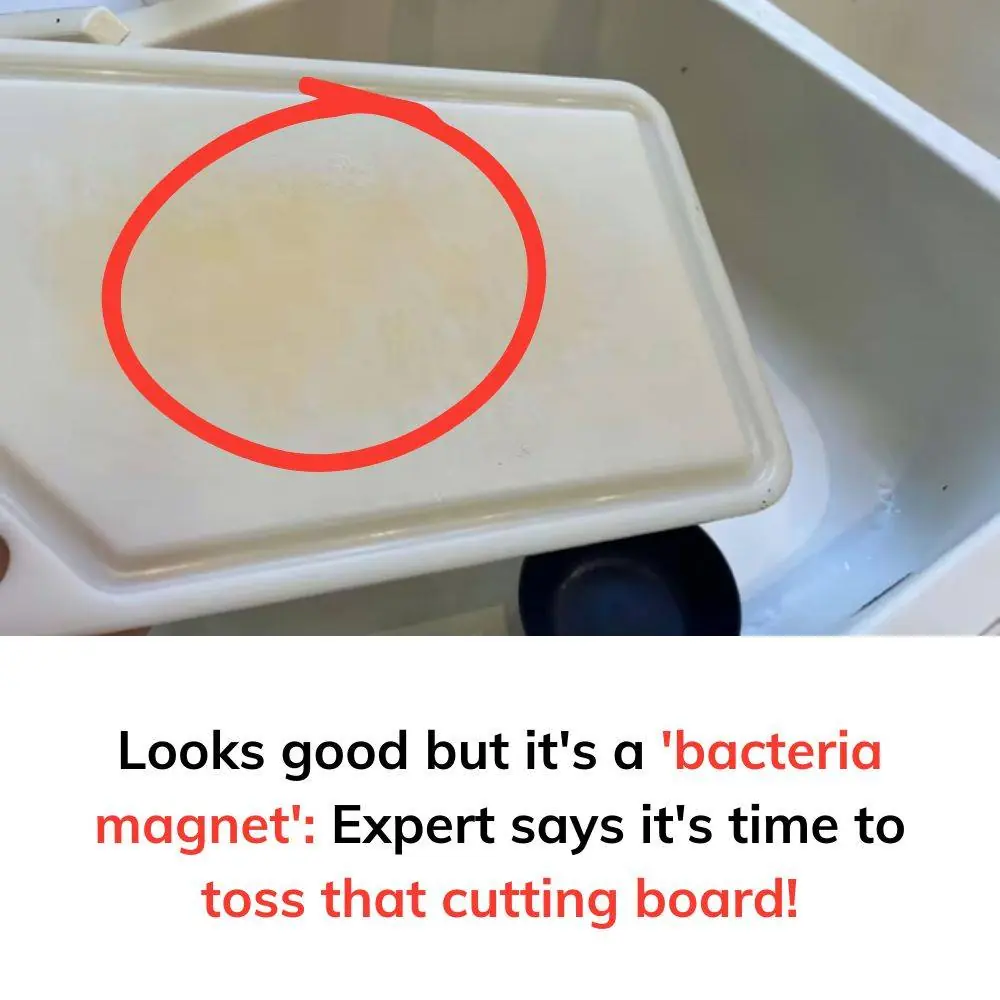
However, this doesn’t mean you can use a plastic cutting board forever—even if it still looks good.
Adam James Pollock, a food safety expert, has reminded everyone to discard their plastic cutting boards when they start to "age" (even if they appear fine) or change color.
He shared a photo of a red plastic cutting board that had turned white due to numerous small knife cuts, making it look worn out, along with the caption:
"A friendly reminder: if your cutting board looks like this, throw it out immediately."
Pollock also included an excerpt from his book Sustenance, where he highlights why he always recommends wooden cutting boards, citing them as better for your health and your knives.
He referenced several studies indicating that bacteria such as Salmonella and Listeria are more likely to survive and even multiply overnight in plastic cutting boards. In contrast, these same bacteria are absorbed into wooden cutting boards within minutes and then die off.
Recent research has also discovered that knife cuts on plastic cutting boards release microplastic particles into your food. One study concluded that chopping ingredients like vegetables on two specific types of plastic boards—polyethylene and polypropylene—releases microplastics that can cling to the food we consume, including meat and vegetables.
Pollock also noted that plastic cutting boards can damage knives more easily, as the blades tend to dull faster when scraping against plastic surfaces.