Can Boiling Water Really Increase Cancer Risk? 3 Unsafe Habits You Should Stop Today
Boiling water is one of the simplest and safest ways to prepare drinking water, tea, coffee, or instant meals. But from time to time, alarming claims circulate online suggesting that boiled water or electric kettles can "cause cancer."
So, is there any truth to these claims?
Health experts say the answer is no—boiling water itself does not cause cancer. However, certain unsafe habits related to boiling water or using kettles may expose you to unnecessary health risks.
Here are three common mistakes worth avoiding.
Myth vs. Fact: Does Boiling Water Cause Cancer?

Simply heating clean water until it boils does not create cancer-causing substances.
In fact, boiling is one of the oldest and most effective ways to kill bacteria, viruses, and parasites in drinking water.
The real concern isn't the boiling process itself—it's what the water is boiled in, how the equipment is maintained, and what materials come into contact with the hot water.
1. Continuing to Use a Damaged or Low-Quality Plastic Kettle
Not all kettles are made from the same materials.
If an electric kettle or water container is cracked, worn, or made from poor-quality plastic that isn't designed for high temperatures, small amounts of chemicals may migrate into the water over time.
Experts recommend:
- Choosing kettles made from food-grade stainless steel, glass, or certified BPA-free materials.
- Replacing kettles that are cracked, peeling, or have damaged interiors.
- Avoiding heating water in containers that aren't intended for boiling.
Using quality kitchen equipment is a simple way to reduce unnecessary exposure to unwanted substances.
2. Boiling the Same Water Over and Over Again
Many people refill only part of the kettle and repeatedly reboil the remaining water throughout the day.
Current scientific evidence does not show that reboiling clean tap water causes cancer.
However, repeated boiling causes water to evaporate, concentrating dissolved minerals already present in the water.
For most people using safe municipal drinking water, this isn't considered a significant health concern. Still, repeatedly boiling the same water may affect taste and isn't necessary.
A better habit is to:
- Boil only the amount of water you need.
- Empty old water at the end of the day.
- Refill the kettle with fresh water before boiling again.
3. Forgetting to Clean Your Kettle

One of the most common mistakes is ignoring mineral buildup inside the kettle.
Over time, calcium and magnesium naturally found in water form a white layer known as limescale.
Although limescale itself isn't known to cause cancer, excessive buildup can:
- Reduce heating efficiency.
- Affect the taste of water.
- Shorten the lifespan of the kettle.
- Create rough surfaces where bacteria may accumulate if the kettle isn't cleaned regularly.
Experts recommend descaling your kettle every few weeks—or more often if you live in an area with hard water.
A simple mixture of white vinegar and water or a commercial descaling product can usually remove mineral deposits effectively.
Other Safe Kettle Habits
To make boiling water as safe as possible:
- Use fresh drinking water each time.
- Avoid overfilling the kettle.
- Keep the lid closed while boiling.
- Never immerse the electrical base in water.
- Replace damaged power cords immediately.
- Store the kettle in a clean, dry location.
Small maintenance habits can help your appliance last longer while ensuring your drinking water remains clean.
What About Microwaving Water?
Some people worry that microwaving water is less healthy than boiling it in a kettle.
In reality, water heated in a microwave is chemically the same as water heated on a stove or in an electric kettle.
The main safety concern is the rare possibility of superheated water, which can suddenly erupt when disturbed. To reduce this risk, avoid overheating water and allow it to stand briefly before removing it from the microwave.
The Bottom Line
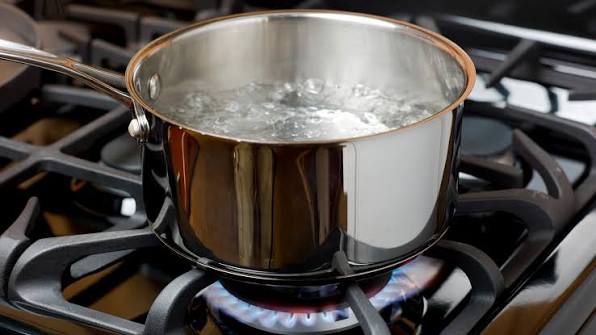
Boiling water does not increase your risk of cancer.
The real issues involve the condition of the equipment you use and everyday habits such as neglecting kettle maintenance or using containers that aren't designed for high temperatures.
By choosing a high-quality kettle, cleaning it regularly, and using fresh water each time, you can continue enjoying boiled water with confidence.
Sometimes, the safest changes aren't about avoiding boiling water—they're simply about using your kitchen equipment the right way.