Have You Ever Tried This Seasonal Fruit? It May Support Eye Health and Healthy Blood Pressure—Here's the Best Way to Eat It 🍊
Every season brings its own delicious fruits, but some remain surprisingly overlooked despite being packed with nutrients.
One such fruit is the persimmon. With its bright orange color, naturally sweet flavor, and soft texture when ripe, persimmon is not only a tasty treat but also a nutritious addition to a balanced diet.
Although it's not as popular as apples or oranges, this seasonal fruit contains vitamins, minerals, fiber, and antioxidants that may support overall health—including healthy vision and cardiovascular function.
Meet the Persimmon
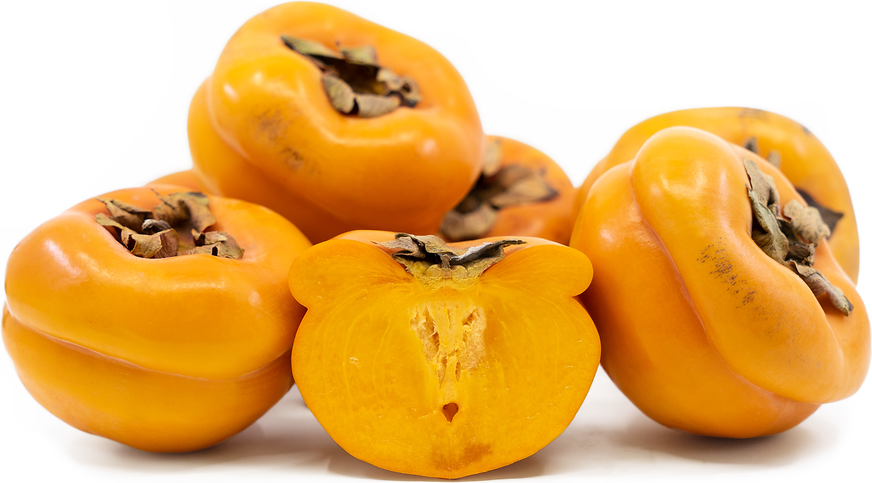
Persimmons are typically available during late autumn and early winter. Depending on the variety, they can be eaten while still firm or after they become very soft and fully ripe.
There are two common varieties:
- Fuyu persimmons, which are sweet even when firm and can be eaten like an apple.
- Hachiya persimmons, which should only be eaten once they become very soft, as unripe fruit contains high levels of tannins that make it extremely bitter and astringent.
1. Rich in Nutrients That Support Eye Health
Persimmons are an excellent source of beta-carotene, which the body converts into vitamin A.
Vitamin A plays an essential role in:
- Maintaining normal vision
- Supporting the surface of the eyes
- Helping the eyes adjust to low-light conditions
They also contain lutein and zeaxanthin, two antioxidants that accumulate in the retina and help protect the eyes from oxidative stress and exposure to blue light. Diets rich in these compounds have been associated with a lower risk of age-related eye diseases.
2. May Help Support Healthy Blood Pressure
Persimmons naturally contain potassium, a mineral that helps balance sodium levels and supports normal blood vessel function.
Adequate potassium intake is associated with healthy blood pressure as part of an overall balanced diet.
The fruit also provides dietary fiber and antioxidants, both of which contribute to heart health by supporting healthy cholesterol levels and reducing oxidative stress.
3. Packed With Powerful Antioxidants
The deep orange color of persimmons comes from plant compounds called carotenoids and other polyphenols.
These antioxidants help protect cells from damage caused by free radicals, which are produced naturally during metabolism and increased by factors such as pollution, smoking, and aging.
Eating a variety of antioxidant-rich fruits and vegetables is linked with better long-term health.
4. A Good Source of Fiber

One medium persimmon provides a helpful amount of dietary fiber.
Fiber supports:
- Healthy digestion
- Regular bowel movements
- A feeling of fullness after meals
- Healthy cholesterol levels
Including fiber-rich fruits regularly can benefit both digestive and heart health.
The Best Way to Eat Persimmons
To enjoy both the flavor and nutritional value, consider these simple tips:
✔ Eat Them Fully Ripe
If you're eating Hachiya persimmons, wait until the fruit becomes soft and jelly-like before eating. Unripe Hachiya persimmons contain tannins that create an unpleasant, mouth-puckering taste.
Fuyu persimmons, however, can be enjoyed while still crisp.
✔ Enjoy Them Fresh
Fresh persimmons retain more heat-sensitive nutrients, including vitamin C, than heavily processed versions.
Simply wash, slice, remove the stem and seeds if present, and enjoy.
✔ Pair Them With Healthy Fats
Beta-carotene is a fat-soluble nutrient, meaning your body absorbs it more efficiently when eaten with healthy fats.
Try pairing persimmons with:
- Walnuts
- Almonds
- Avocado
- Greek yogurt
- A handful of mixed nuts
✔ Skip the Extra Sugar
Persimmons are naturally sweet, so there's usually no need to add sugar, syrup, or sweetened toppings.
Keeping them as close to their natural form as possible helps preserve their nutritional benefits.
Easy Persimmon Salad Recipe
Ingredients
- 2 ripe persimmons, sliced
- 2 cups baby spinach or arugula
- ½ avocado, diced
- ¼ cup chopped walnuts
- Juice of half a lemon
- 1 tablespoon extra-virgin olive oil
- Freshly ground black pepper
Instructions
Combine the greens, persimmons, avocado, and walnuts in a bowl.
Drizzle with lemon juice and olive oil, season lightly with black pepper, and toss gently before serving.
This simple salad combines healthy fats, fiber, vitamins, and antioxidants in one colorful meal.
A Few Things to Keep in Mind
Although persimmons are nutritious, they should still be enjoyed in moderation as part of a balanced diet because they contain natural sugars.
People with diabetes or kidney disease should speak with their healthcare provider or dietitian about the amount of fruit that best fits their individual nutrition plan.
The Bottom Line
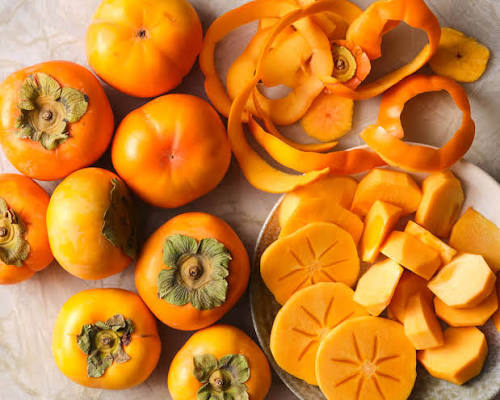
Persimmons may not be the most famous fruit at the market, but they're certainly one of the most nutritious seasonal choices.
Rich in beta-carotene, vitamin A, potassium, fiber, and antioxidants, they can help support healthy vision, cardiovascular health, and overall well-being when included as part of a varied, balanced diet.
The next time you see these bright orange fruits in season, don't pass them by. Enjoy them fresh, pair them with healthy fats, and let this naturally sweet fruit add both flavor and nutrition to your plate.