It might sound surprising, but your fingernails can reveal more about your health than you think. Beyond appearance, nails can act as a subtle indicator of what’s happening inside your body. Recently, experts have suggested that nail growth rate and condition may be linked to overall health and even life expectancy.
Now, let’s be clear: your fingernails don’t literally “predict” how long you will live. But they can reflect key biological processes that are closely tied to aging and long-term health.

1. The Science Behind Nail Growth
Fingernails grow from a structure under the skin called the nail matrix. This growth depends on:
- Blood circulation
- Nutrient supply
- Cellular regeneration rate
On average, fingernails grow about 3 millimeters per month, but this varies depending on age, health, and lifestyle.
Key insight:
Faster nail growth is often associated with better circulation and higher metabolic activity, both of which are linked to overall vitality.
2. Why Nail Growth May Reflect Longevity
Researchers have observed that people with faster nail growth tend to show signs of:
- Slower biological aging
- Better cardiovascular health
- More efficient cell renewal
What this suggests:
Nail growth may act as a proxy marker for how well your body maintains itself over time.
In simple terms:
Healthier systems → better regeneration → potentially longer lifespan
3. Visible Signs Your Nails Might Be Giving You
Your nails don’t just grow—they also change in appearance based on your health.
Healthy signs:
- Smooth surface
- Light pink color
- Consistent growth
- Strong, not brittle
Warning signs:
- Slow growth
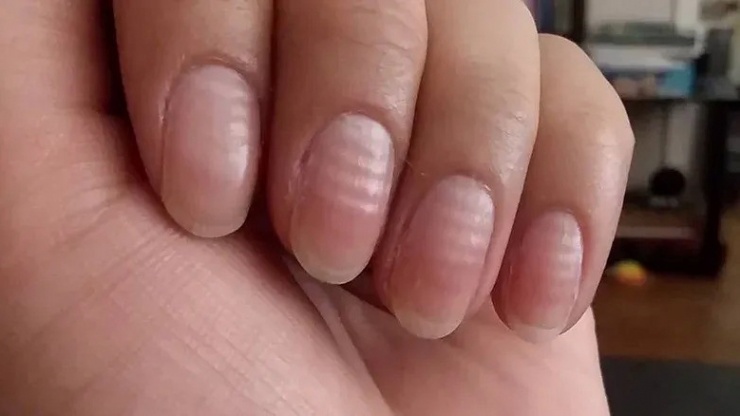
- Deep ridges
- Yellowing or discoloration
- Brittle or easily breaking nails
These changes don’t directly predict lifespan, but they can indicate underlying issues that affect long-term health.

4. The Link to Circulation and Heart Health
One of the strongest connections is between nails and blood circulation.
Healthy blood flow ensures:
- Oxygen delivery
- Nutrient transport
- Waste removal
Poor circulation, on the other hand, can lead to:
- Slower nail growth
- Pale or bluish nails
- Weak nail structure
Since cardiovascular health is a major factor in life expectancy, this connection matters.
5. Aging and Nail Changes
As people age, nail growth naturally slows down.
Common age-related changes:
- Thicker or more brittle nails
- More visible ridges
- Slower regrowth after trimming
However, premature changes may signal accelerated aging or health issues.
6. Lifestyle Factors That Affect Nail Health
Your daily habits directly influence your nails.
Positive factors:
- Balanced diet (rich in protein, vitamins, minerals)
- Regular physical activity
- Good hydration
- Adequate sleep
Negative factors:
- Smoking
- Poor nutrition
- Chronic stress
- Lack of movement
These same factors also influence longevity—so the connection is not random.
7. Important Reality Check
It’s easy to misinterpret this idea.
Your nails:
- Do NOT determine your lifespan
- Do NOT replace medical diagnosis
They are simply one small indicator among many.
Think of them as:
A visible signal of internal health—not a prediction tool.
8. When Should You Pay Attention?
You should take nail changes seriously if:
- They appear suddenly
- They worsen over time
- They come with other symptoms (fatigue, weight loss, etc.)
In these cases, it’s worth consulting a healthcare professional.
Final Take
Your fingernails are more than just cosmetic - they’re a subtle reflection of your body’s internal state.
- Faster, healthier growth often signals good circulation and strong cellular activity
- Changes in nails can hint at underlying issues
- Lifestyle plays a major role in both nail health and longevity
So while your nails won’t tell you exactly how long you’ll live, they can offer valuable clues about how well your body is functioning right now.
And that, more than anything, is what truly shapes your future health.