Sleeping with Cats: What Health Experts Say About the Risks and Benefits
Many cat owners enjoy sharing their bed with their pets. While it can feel comforting and even improve emotional well-being, health experts say there are a few potential risks to be aware of—especially for certain groups of people.
1. Possible exposure to parasites
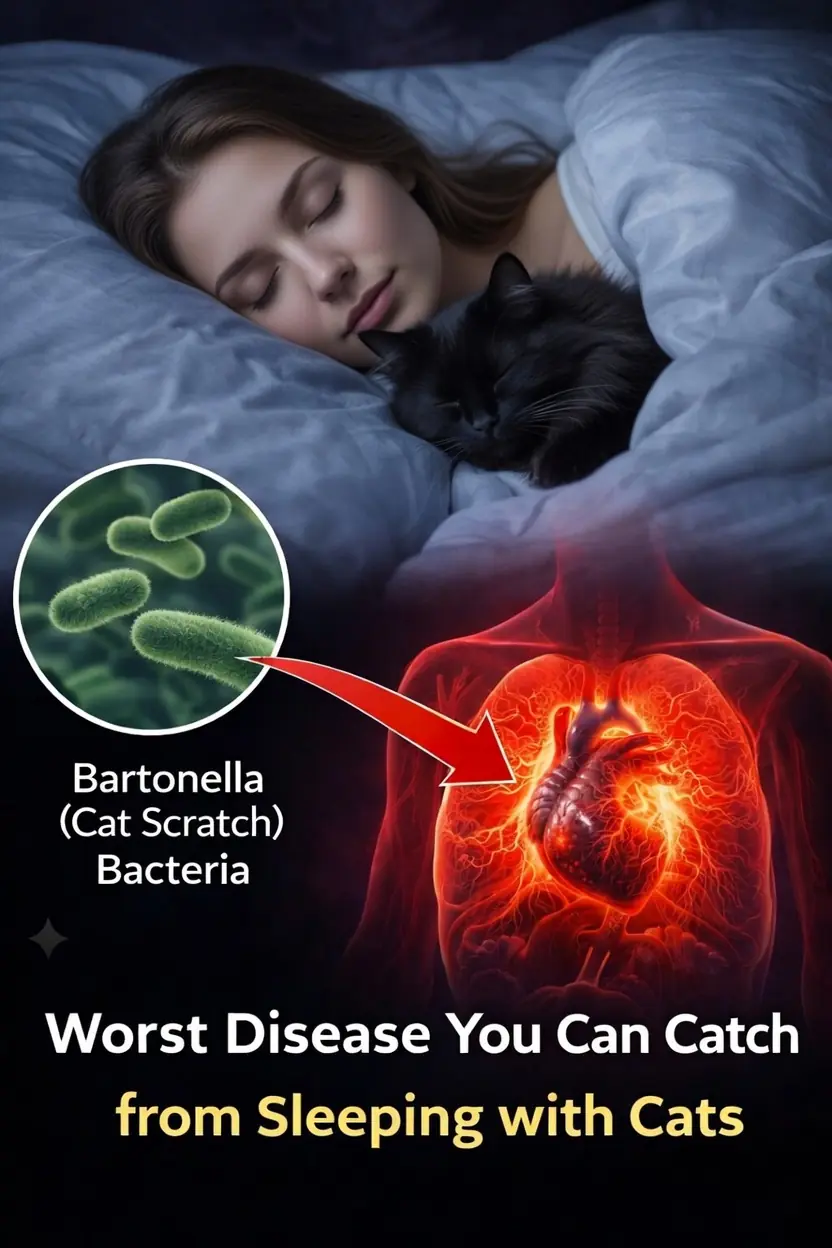
One of the main concerns is exposure to parasites such as Toxoplasma gondii, a microscopic organism that cats can carry. According to the U.S. Centers for Disease Control and Prevention (CDC), humans can become infected through contact with contaminated litter or surfaces. While sleeping with a cat does not directly cause infection, close contact increases overall exposure risk, especially if hygiene is not well maintained.
2. Allergies and respiratory issues
Cats produce allergens found in their saliva, skin, and fur. The American Lung Association notes that these allergens can trigger symptoms such as sneezing, coughing, or asthma flare-ups in sensitive individuals. Sleeping in close contact overnight may worsen symptoms due to prolonged exposure.
3. Sleep disruption

Even if you are not allergic, cats are naturally active at night. Experts from the Mayo Clinic explain that pets in the bed can interrupt sleep cycles by moving, scratching, or waking their owners, potentially leading to poorer sleep quality over time.
4. Zoonotic disease risk (generally low)
Veterinary health experts emphasize that the risk of serious disease transmission from cats to humans during normal household contact is relatively low for healthy individuals. Most infections are rare and preventable with routine veterinary care, flea control, and good hygiene practices.
5. Emotional and mental health benefits

Despite the risks, there are also benefits. Studies published in journals like Human-Animal Interaction research show that sleeping near pets can reduce stress, anxiety, and feelings of loneliness. The comfort of a pet can improve emotional well-being for many people.
Conclusion
Sleeping with cats is generally safe for most healthy individuals, but it does come with some potential health considerations. People with allergies, weakened immune systems, or sleep problems may want to limit close nighttime contact.
Maintaining good hygiene, regular veterinary checkups, and clean sleeping environments can help reduce most risks while still allowing you to enjoy your pet’s companionship.
Sources
- Centers for Disease Control and Prevention (CDC) – Toxoplasmosis information
- American Lung Association – Pet allergies and respiratory health
- Mayo Clinic – Sleep hygiene and pet-related sleep disruption studies
- Human-Animal Interaction Research Journal – Pet companionship and mental health benefits
Sleeping with Cats: Understanding the Health Risks and Benefits of Sharing Your Bed With a Feline Companion
For many cat owners, bedtime is not complete without a familiar furry presence nearby. Some cats curl up at the foot of the bed, others settle beside their owner's pillow, and a few seem determined to occupy the entire mattress.
Sharing a bed with a cat can feel comforting. The sound of purring, the warmth of a sleeping companion, and the familiar routine of having a pet nearby may create a sense of security and relaxation. For people who live alone, a cat's presence can also make the bedroom feel less lonely.
However, sleeping with a pet involves more than comfort. Cats can carry parasites, spread certain infections, trigger allergies, and interrupt sleep. Although the risk of serious illness is generally low for healthy people with well-cared-for indoor cats, some individuals need to take additional precautions.
Understanding both sides of the issue can help cat owners make a decision that protects their health while preserving the companionship they value.
1. Parasites: Understanding the Risk of Toxoplasmosis
One of the most frequently discussed concerns about living closely with cats is Toxoplasma gondii, a microscopic parasite responsible for toxoplasmosis.
Cats are important hosts in the parasite's life cycle. An infected cat can shed microscopic parasite eggs, known as oocysts, in its feces. These oocysts can become infectious after spending time in the environment.
Humans can become infected through several routes, including accidentally swallowing contaminated material from soil, food, water, or surfaces.
Does sleeping with a cat cause toxoplasmosis?
Not directly.
Simply allowing a cat to sleep beside you does not mean you will become infected. The parasite is primarily associated with exposure to contaminated feces or materials carrying the parasite, rather than ordinary contact with a cat's fur.