Two Overlooked Signs of Brain Cancer Often Mistaken for Common Conditions
A recent study has revealed that two important warning signs of brain cancer are frequently overlooked because they closely resemble everyday health issues. This confusion can lead many people to ignore early symptoms, delaying diagnosis and treatment.
Why Brain Cancer Is Often Detected Late
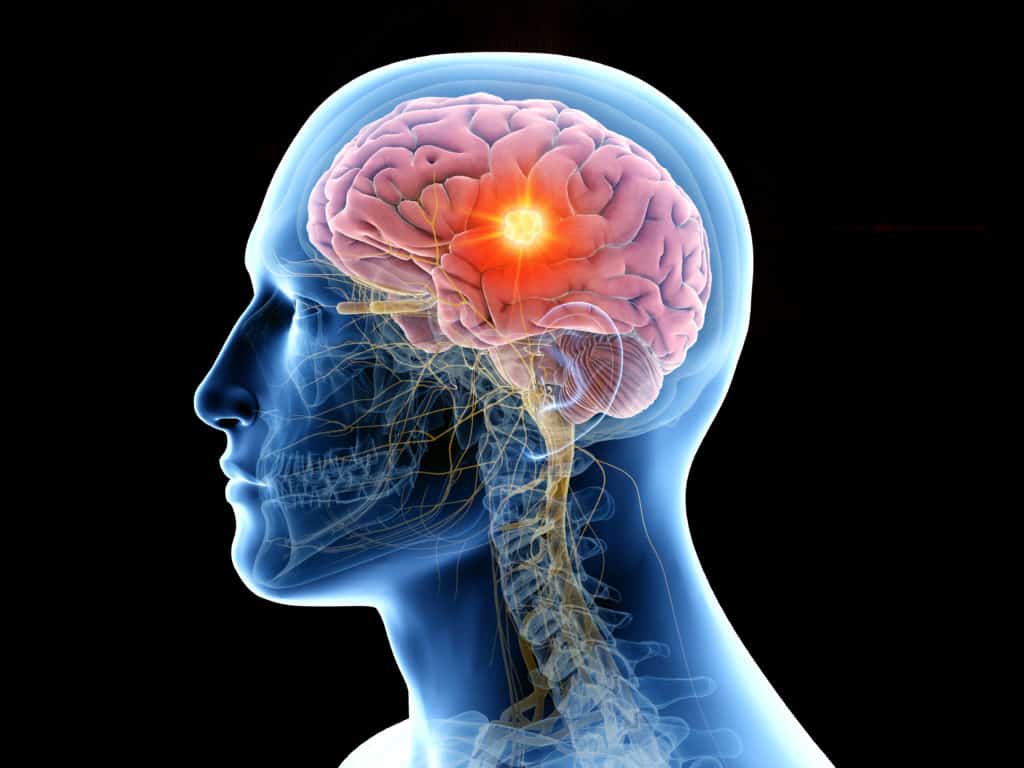
Brain cancer does not always present with obvious or severe symptoms in its early stages. Instead, the signs are often subtle and develop gradually. Many people assume these symptoms are caused by stress, fatigue, or minor illnesses, and therefore do not seek medical attention promptly.
Two Commonly Misinterpreted Signs
1. Persistent and Unusual Headaches
Headaches are extremely common, but those associated with brain cancer may have distinct characteristics:
- They occur more frequently and become progressively worse
- They are often more intense in the morning or upon waking
- They do not respond well to typical pain relievers
- They may be accompanied by nausea or vomiting
Because these symptoms can resemble migraines or tension headaches, they are often dismissed.
2. Changes in Vision or Cognitive Function
Another easily overlooked sign involves subtle changes such as:
- Blurred or double vision
- Difficulty concentrating
- Memory problems or mental “fog”
These issues are commonly attributed to overwork, excessive screen time, or general fatigue. However, they can also be linked to increased pressure in the brain caused by a tumor.
When Should You See a Doctor?

Not every headache or moment of fatigue is a cause for concern. However, you should consider seeking medical advice if:
- Symptoms persist or worsen over time
- Multiple unusual symptoms appear together
- Your daily functioning is noticeably affected
Early detection can make a significant difference in treatment outcomes.
Final Thoughts
Brain cancer is a serious condition, but its early warning signs are often easy to miss. Paying attention to your body and not dismissing unusual or persistent symptoms—even if they seem minor—can play a crucial role in protecting your health.