Oregano is one of the most popular herbs in the world, commonly used to add flavor to pizza, pasta, soups, salads, and Mediterranean dishes. But beyond its strong aroma and delicious taste, oregano has also attracted attention from scientists and health researchers because of its potential medicinal properties.
For centuries, oregano has been used in traditional medicine to support digestion, fight infections, and improve overall wellness. Today, modern research continues to explore the compounds found in oregano and how they may affect the body.
Although oregano is not a miracle cure, studies suggest that this herb contains several natural substances that may contribute to better health when included as part of a balanced diet.
Here is a closer look at the science behind oregano and its possible health benefits.
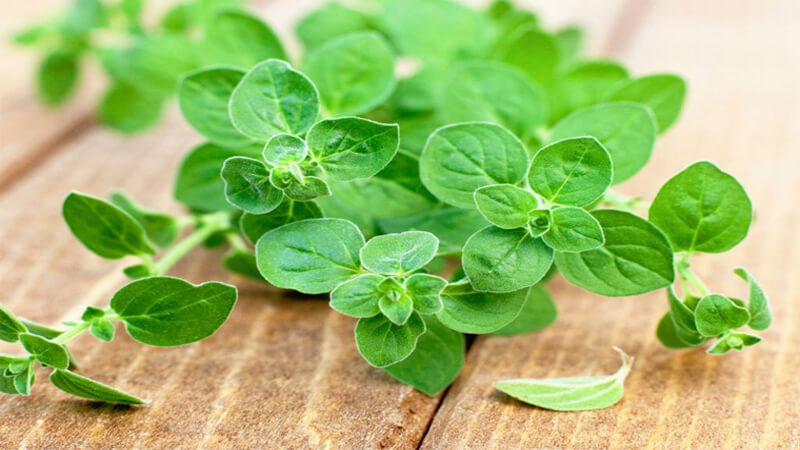
What Is Oregano?
Oregano is a flowering plant belonging to the mint family. Its scientific name is Origanum vulgare, and it is native to the Mediterranean region.
The leaves can be used fresh or dried, while oregano oil is extracted from the plant’s leaves and flowers.
Oregano contains many plant compounds, including:
- Carvacrol
- Thymol
- Rosmarinic acid
- Flavonoids
- Terpenes
These compounds are believed to contribute to oregano’s aroma and possible health-supporting properties.
Rich in Antioxidants
One of the most studied features of oregano is its high antioxidant content.
Antioxidants help protect the body from oxidative stress caused by unstable molecules called free radicals. Excess oxidative stress may contribute to aging and various chronic diseases over time.
Oregano contains several antioxidants that may help support cellular health, including:
- Phenolic compounds
- Flavonoids
- Rosmarinic acid
Some studies suggest oregano has a particularly strong antioxidant capacity compared to many other herbs.
Including antioxidant-rich foods and herbs in the diet may help support:
- Heart health
- Immune function
- Healthy aging
- Reduced inflammation
May Help Support Immune Function
Oregano has long been used traditionally during colds and seasonal illnesses.
Researchers believe certain compounds in oregano, particularly carvacrol and thymol, may have antimicrobial properties that help fight harmful microorganisms in laboratory studies.
Some early research suggests oregano compounds may show activity against:
- Certain bacteria
- Some viruses
- Fungi
- Yeast
Because of this, oregano oil has become popular in natural wellness products.
However, it is important to remember that laboratory findings do not always mean the same effects occur in the human body. More human research is still needed.
Still, using oregano as part of a healthy diet may help support the body’s natural defenses.
Possible Anti-Inflammatory Effects
Inflammation is the body’s natural response to injury or infection, but chronic inflammation may contribute to health problems over time.
Some compounds found in oregano may help reduce inflammatory activity in the body.
Carvacrol, in particular, has been studied for its potential anti-inflammatory properties in experimental research.
Reducing chronic inflammation may support:
- Joint health
- Heart health
- Metabolic function
- Immune balance
Although oregano alone cannot eliminate inflammation, including herbs and plant-based foods in the diet may contribute to overall wellness.
May Support Digestive Health
Traditional medicine has long used oregano to support digestion.
Some people use oregano to help with:
- Bloating
- Gas
- Mild stomach discomfort
- Indigestion
Oregano may help stimulate digestive processes and support balance within the gut environment.
Its antimicrobial compounds have also led researchers to study how oregano affects certain harmful bacteria in the digestive tract.
A healthy digestive system plays an important role in nutrient absorption, immunity, and overall health.
Potential Benefits for Heart Health
Research suggests oregano may contain compounds that support cardiovascular health.
Some possible effects being studied include:
- Reducing oxidative stress
- Supporting healthy cholesterol balance
- Helping maintain healthy blood vessels
- Supporting circulation
Oregano also contains potassium, a mineral that helps regulate fluid balance and blood pressure.
While oregano alone is not enough to protect heart health, using herbs instead of excess salt or processed sauces may contribute to a healthier diet overall.

Oregano Oil and Its Growing Popularity
Oregano oil has become increasingly popular in the wellness industry.
This concentrated oil contains higher levels of active compounds such as carvacrol and thymol.
Some people use oregano oil for:
- Immune support
- Respiratory health
- Digestive wellness
- Skin concerns
However, oregano oil is extremely potent and should be used carefully.
Important considerations include:
- It should never be consumed in excessive amounts
- Undiluted oregano oil may irritate the skin or digestive tract
- Some individuals may experience allergic reactions
- It may interact with medications
Pregnant individuals and people with medical conditions should speak with a healthcare professional before using oregano oil supplements.
May Have Antibacterial Properties
One reason oregano receives scientific attention is its possible antibacterial activity.
Studies in laboratory settings suggest oregano compounds may help inhibit the growth of certain bacteria.
Carvacrol appears to be one of the strongest compounds responsible for this effect.
Researchers are exploring oregano’s potential applications in:
- Food preservation
- Natural cleaning products
- Alternative antimicrobial therapies
Still, human studies are limited, and oregano should not replace prescribed medical treatment for infections.
Could Help Protect Cells From Damage
Cell damage caused by oxidative stress has been linked to aging and many chronic diseases.
Because oregano contains powerful plant compounds, researchers continue investigating its role in protecting cells from damage.
A diet rich in herbs, vegetables, fruits, and other antioxidant-containing foods may support long-term health more effectively than relying on supplements alone.
Nutritional Value of Oregano
Even though oregano is usually consumed in small amounts, it still contains valuable nutrients, including:
- Vitamin K
- Iron
- Calcium
- Manganese
- Fiber
Fresh oregano also provides small amounts of vitamin C and vitamin A.
Using herbs like oregano may help add flavor to meals without excessive salt, sugar, or unhealthy fats.
Fresh Oregano vs. Dried Oregano
Both fresh and dried oregano can provide beneficial compounds, though dried oregano often contains more concentrated antioxidants because water has been removed.
Fresh oregano offers:
- Brighter flavor
- More vitamin C
- Fresh aroma
Dried oregano provides:
- Stronger concentration of some compounds
- Longer shelf life
- Convenience for cooking
Both can be part of a healthy eating pattern.
Easy Ways to Add Oregano to Your Diet
Oregano is versatile and easy to include in meals.
Popular uses include:
- Sprinkling on roasted vegetables
- Adding to pasta sauces
- Mixing into soups
- Seasoning grilled chicken or fish
- Adding to salad dressings
- Using in Mediterranean dishes
Combining oregano with olive oil, garlic, tomatoes, and vegetables may create flavorful meals rich in nutrients and antioxidants.
Important Limitations to Understand
Although oregano shows promising properties in research, it is important to avoid exaggerated health claims.
Many studies on oregano are:
- Conducted in laboratories
- Performed on animals
- Based on concentrated extracts rather than normal food amounts
This means more human research is needed before drawing strong conclusions about its medical effects.
Oregano should be viewed as a supportive part of a healthy lifestyle — not a cure for disease.

Final Thoughts
Oregano is far more than just a flavorful kitchen herb. Modern research suggests it contains antioxidants and natural compounds that may help support immune function, digestion, inflammation balance, and overall wellness.
While scientists continue studying its potential benefits, oregano already offers an easy way to add flavor and plant-based nutrients to everyday meals.
Using herbs like oregano as part of a balanced diet rich in whole foods may contribute to better long-term health naturally.
Sometimes the simplest ingredients in the kitchen hold more potential than people realize.